Best Time to Visit Costa Rica: Month-by-Month Season Guide (2026)
The summit of Arenal hides behind cloud on a large share of days no matter when you come, so the best time to visit Costa Rica is less about a perfect month and more about matching the season to what you want out of the trip.
Ask ten people the best month for Costa Rica and you will get ten confident, contradictory answers. The honest version is that the country runs on two seasons, not twelve, and each one is genuinely good for different things. The dry months deliver reliable sun and the biggest crowds. The green months trade afternoon rain for lower prices, thinner trails and landscapes at their most vivid. This guide breaks the year down month by month, notes where the coasts disagree, and makes the case that has surprised a lot of travelers: the so-called off-season is often the smarter trip.
Quick answer: for the most reliable sun, come January to March. For lower prices and fewer people with only afternoon rain to plan around, come May, June, September or November. There is no single best month, only the season that matches your trip.
A 12-month scorecard for planning your trip
Seasons and crowd levels reflect the site's own dry-season framing (December to April, peak January to February) and the general planning guidance below, not measured rainfall figures.
When is the best time to visit Costa Rica?
The dry season, roughly December through April, is the most reliable window, with January and February the driest and busiest. The green season, May to November, trades afternoon rain for lower prices, thinner crowds and lush, waterfall-fed landscapes. Both are good trips. They are just different trips.
The dry season is the default for a reason: the Pacific side and the Central Valley see their steadiest sunshine, and the parks are at their most predictable. It is also the priciest and most crowded stretch, and it is when ecolodges fill months ahead. According to the site's own booking experience, departures for the December-to-April window start filling from October onward, so a traveler deciding in November for a January trip can find that people who committed in September already took the seats.
The green season is not the washout its old nickname suggests. The official Costa Rica tourism board and most seasoned visitors describe it as a daily rhythm rather than a permanent downpour. The shoulder months of May and November get singled out as an excellent compromise: good weather, fewer crowds and lower prices at the same time. If you can only read one line from this guide, read that one.
A useful way to frame the choice: the dry season buys you predictability, and the green season buys you value and space. Neither is objectively better. A honeymooner chasing guaranteed beach sun in February and a wildlife photographer wanting empty trails and dramatic skies in September are both right for their own trip. Decide which you are optimizing for, sun and certainty or savings and solitude, and the season tends to pick itself.
How far ahead should you book? For the dry-season peak, the answer is earlier than feels natural, because the best ecolodges and the popular departures sell out months in advance, and the site's own experience is that seats fill from October for the following January through April. Green-season trips give you more slack, but even they reward a bit of lead time for the specific lodges and dates you want. Booking early is less about price and more about getting the exact trip rather than whatever is left.
Dry season versus green season: what is the real difference?
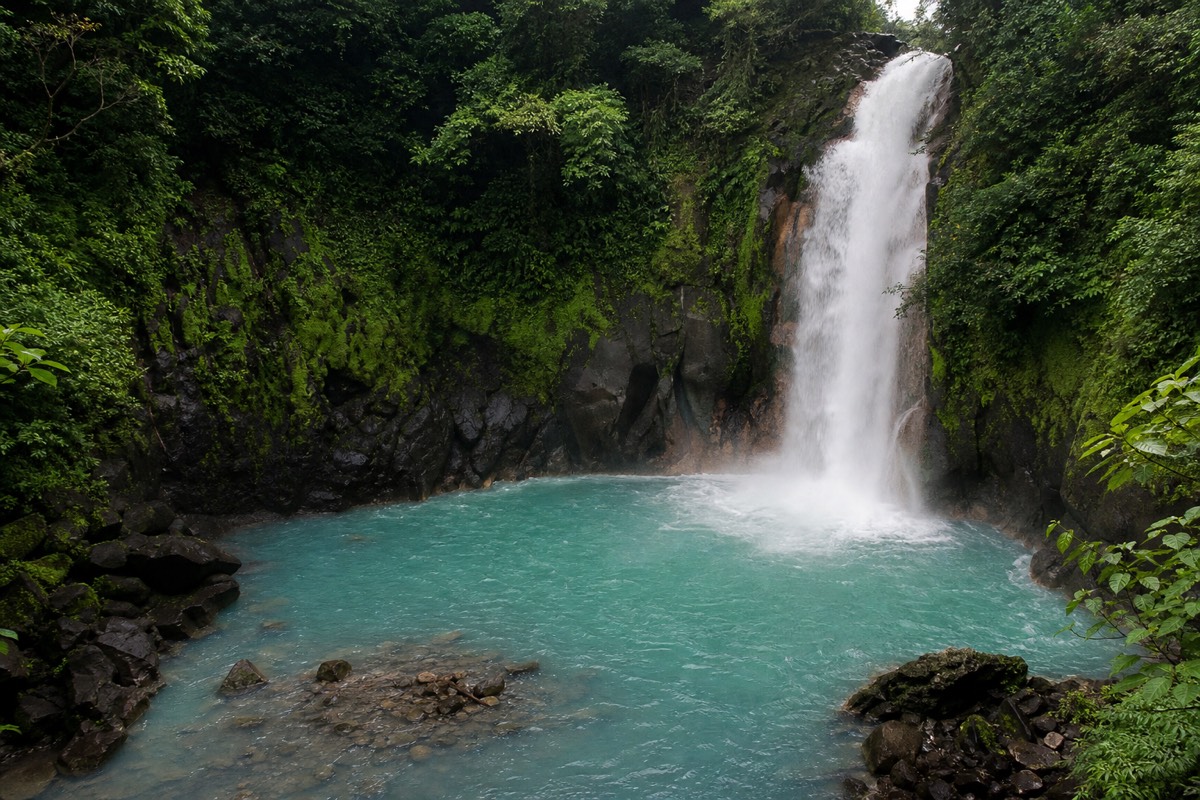
In the dry season you get more predictable sun, especially on the Pacific coast. In the green season, mornings are usually clear and the rain tends to arrive in the afternoon or evening. The green season is called green because the forests are full, the rivers run high and the waterfalls are at their most dramatic.
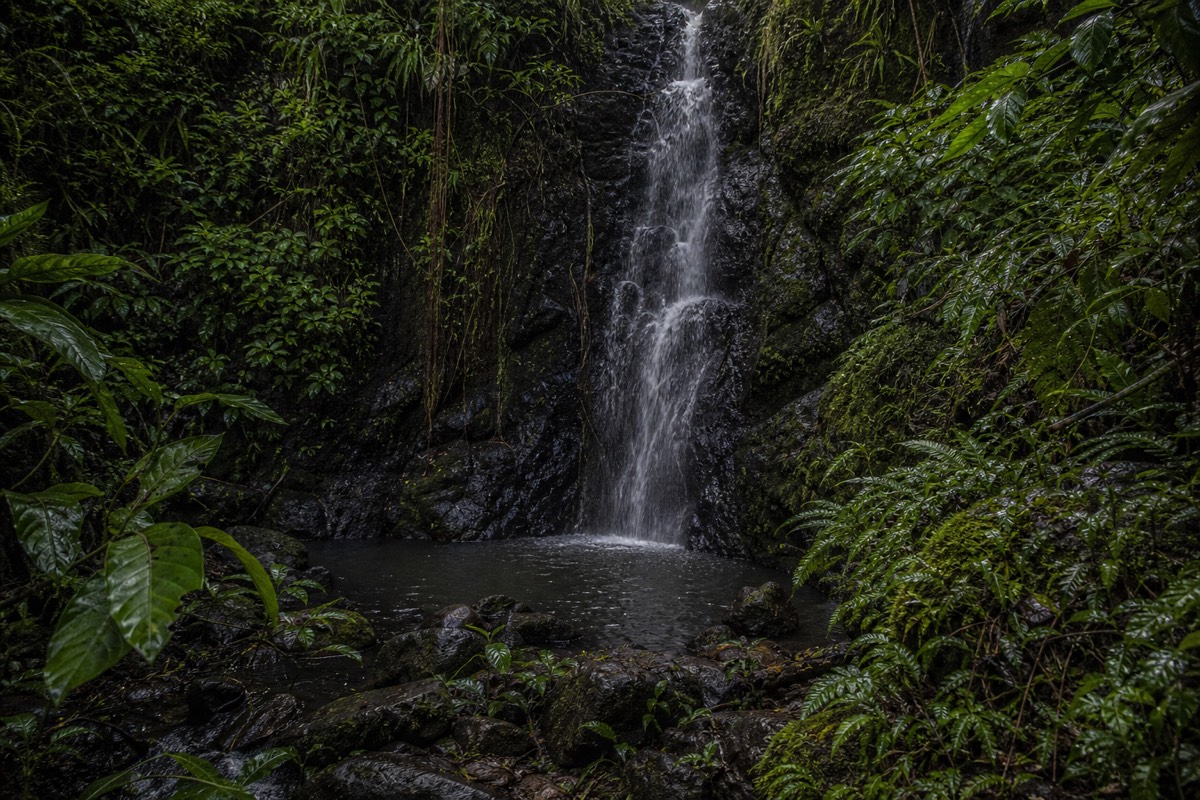
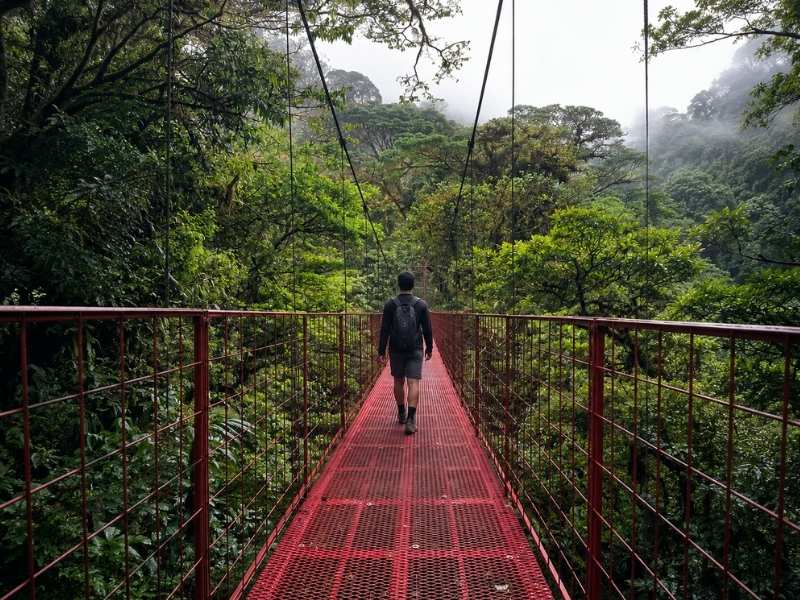
That morning-clear, afternoon-wet pattern is the key to the green season working. Front-load your day. Do the hanging bridges and the wildlife walks early, when the light is best and the animals are active anyway, and treat the afternoon rain as permission to sit on a porch with a coffee. The reward is a country at its most alive, and prices that can run well below peak.
The tradeoffs are real. Roads get muddier, and the unpaved approach to Monteverde is slower and rougher when it is wet. A handful of remote trails and boat services scale back at the height of the rains. And the calendar cuts the other way in peak months: Christmas, New Year and the Easter week fill hotels and parks with both international and Costa Rican travelers, so the dry season's crowds are not a myth either.
Packing shifts with the season too. Dry-season travel leans on sun protection, light layers for cool cloud-forest mornings and plenty of water. Green-season travel adds a genuinely useful rain jacket or poncho, quick-dry clothing and a dry bag to keep electronics safe through an afternoon shower. Either way, the cloud forest belt around Monteverde runs cooler and mistier than the coast on any date, so a warm layer earns its place in the bag no matter when you come.
Temperatures, on the other hand, barely move with the season. Costa Rica sits close to the equator, so the calendar changes the rain far more than the heat. Lowland coasts stay warm and humid year-round, the Central Valley around San José is spring-like most of the year at its 1,100-metre-plus elevation, and the cloud forests stay cool and damp whenever you visit. Pack for altitude and coast, in other words, not for summer versus winter, because that distinction hardly exists here.
Month-by-month: what each part of the year is like
Here is the year at a glance. Treat this as general planning guidance rather than a rainfall forecast, since weather varies year to year and by region. The pattern to hold onto is simple: December through April is drier and busier, May through November is greener and cheaper, and the shoulders in May and November thread the needle.
| Month | Weather feel | Crowds | What is on | Price feel |
|---|---|---|---|---|
| January | Dry, peak sun | High | Clear skies, prime birding | Highest |
| February | Driest stretch | High | Reliable park weather | High |
| March | Dry, warming | Busy | Great beach weather | High |
| April | End of dry season | Easter spike | Warm, dry trails | High near Easter |
| May | Green season begins | Low to medium | Lush, quiet, good value | Lower |
| June | Green, morning sun | Low | Full waterfalls, fewer people | Lower |
| July | Green, brief drier spell some years | Low to medium | Turtle nesting starts | Lower |
| August | Green, afternoon rain | Low to medium | Turtle nesting, active wildlife | Lower |
| September | Wettest on the Pacific | Low | Caribbean at its sunniest | Lowest |
| October | Wet Pacific, bright Caribbean | Low, filling for peak | Turtle nesting winds down | Lowest |
| November | Drying out, shoulder month | Low to medium | Green landscapes, good value | Lower |
| December | Dry returns, festive | High late in month | Holiday crowds arrive | High |
The two names to remember are the shoulders. May and November sit right where the seasons hinge, which is why they so often deliver dry mornings, low prices and space on the trails in the same trip.
One caveat on reading any month-by-month chart, including this one: Costa Rica has strong microclimates, and a single date can be sunny on one coast and streaming on the other. Use the table to set expectations, not to lock in a forecast. Remember too that the calendar interacts with holidays, so a normally quiet green-season week can spike if it lands on a Costa Rican school break or a long weekend, and a shoulder month can feel busier than its reputation around Easter.
If you have flexibility, the single most useful move is to avoid the fixed holiday peaks and aim for the ordinary weeks on either side. A late-January week that dodges the New Year rush, a June week clear of any school break, or early December before the festive surge will all feel calmer and cost less than the headline peak dates, even though the weather is nearly identical. The calendar's busiest days are driven by holidays as much as by climate, so steering around them is often worth more than chasing a theoretically perfect month.
How does timing differ by region?
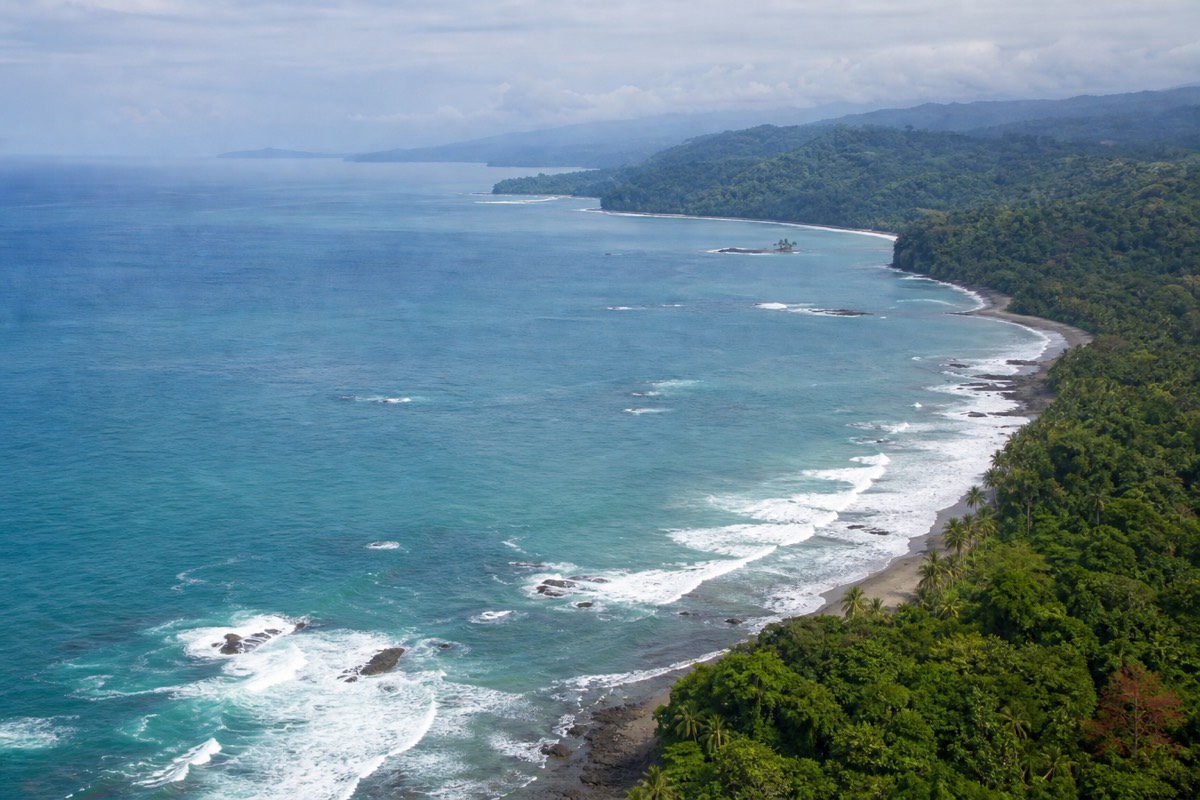
The Pacific and the Caribbean run on different clocks. The Pacific coast and the Central Valley follow the classic dry-December-to-April pattern, while the Caribbean side, around the Tortuguero canals and Puerto Viejo, often sees its sunniest, most settled stretch in September and October, exactly when the Pacific is at its wettest.
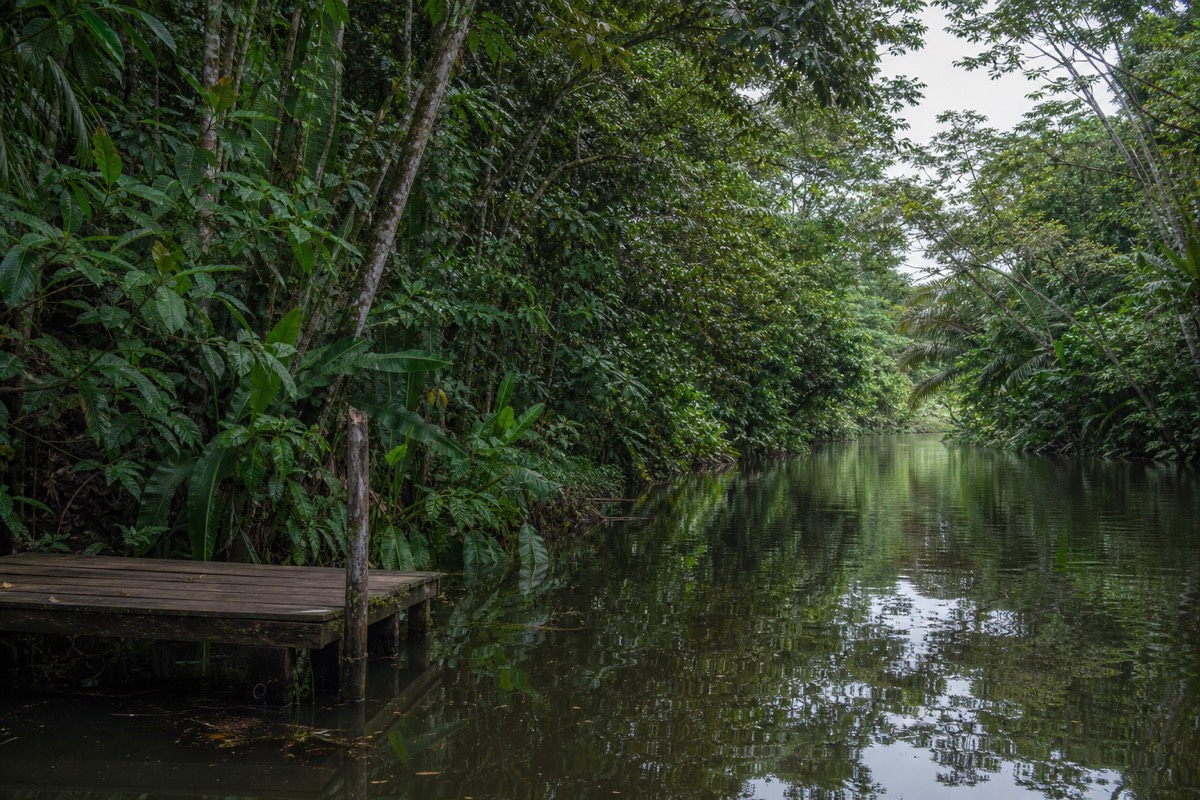
This flips the usual advice on its head for one part of the country. A month that reads rainy on a nationwide calendar can be a great time to be on the Caribbean coast. So if your heart is set on the canals and the beaches of the east, the deep green season is not the obstacle it would be on the Pacific side. The mountains in between, Arenal, Monteverde, the cloud forest belt, catch mist and cloud year-round, which is why the volcano summit is so often hidden no matter the date.
The practical upshot: pick your season for the region you care about most, not for the country as a whole. The official Costa Rica tourism board publishes current regional guidance worth a look while you plan, since the microclimates here are real and one date genuinely suits different trips differently.
The mountains add a third pattern on top of the two coasts. The cloud forest around Monteverde and the high volcano slopes catch moisture through much of the year, which is why the Arenal summit so often sits under cloud regardless of the season. That is not a failure of timing, it is the ecosystem doing its thing, and it is exactly what makes those forests so lush and full of life. Plan cloud-forest mornings early for the best odds of a clear window, and treat an afternoon of drifting mist as part of the experience rather than a washout.
The takeaway for planning is liberating. Because the coasts and the mountains each keep their own schedule, there is almost always somewhere in Costa Rica having good weather, and a smart multi-region route can chase it. A dry-season trip leans Pacific, a deep-green-season trip can lean Caribbean, and the cloud forest is a cool, misty constant in between. You are not fighting one national weather system, you are choosing among several, which is one more reason the best time to visit depends entirely on the trip you want.
When is best for wildlife and turtle nesting?
Green sea turtle nesting on the Caribbean side runs roughly July to October, the window the Essential Costa Rica Tour with Manuel Antonio National Park times its optional night watch to. Wildlife is active all year, and the green season's fuller forests and concentrated water sources can actually improve your odds of a sighting.
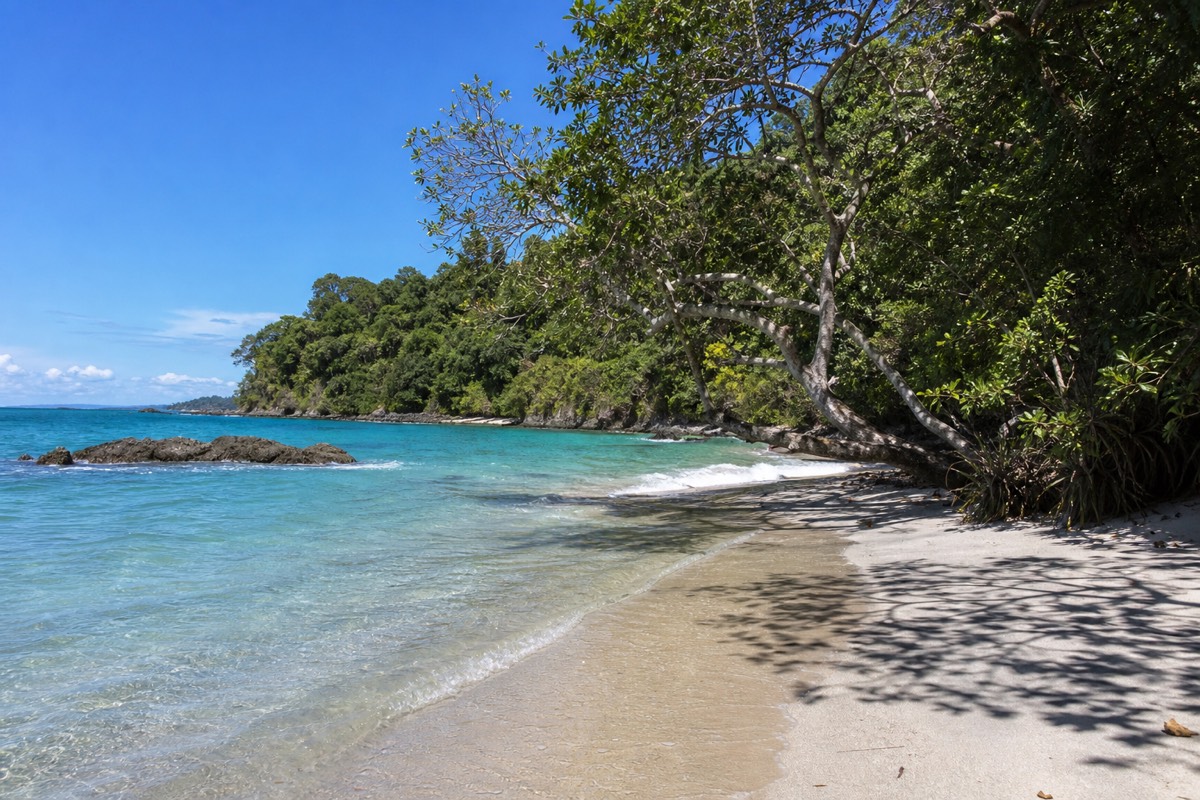
Tortuguero is the headline turtle destination, and its nesting season is the reason. The Essential Costa Rica tour runs its optional green-turtle night watch on departures from July through September, when the females haul up the dark Caribbean beaches to lay. If turtles are a must-see, build the trip around that window and the eastern coast, and read up on the best time to see the sea turtles at Tortuguero before you lock in dates.
For general wildlife, both seasons work. Dry-season months concentrate animals around the remaining water, which can make them easier to find, and clear skies help birding. Green-season months bring louder, busier forests and dramatic light. Either way, a naturalist guide is the single biggest factor in what you actually see, far more than the calendar. That is a big part of why organized routes like the Costa Rica Quest and the 12-day Costa Rica Classic put trained guides on every walk.
Timing also shapes which animals headline your trip. The July-to-October turtle window is the obvious one, but the dry months bring their own draw for birders, with clearer skies and animals gathering at shrinking water sources. Resplendent quetzals, the cloud forest's showpiece bird, along with the four monkey species and the sloths of the Manuel Antonio trails, are resident year-round, so no season leaves you empty-handed. The variable is not whether the wildlife is there. It is the weather you will be watching it in, and the guide who knows where to point the scope.
A short menu of what peaks when helps you aim a wildlife trip. Sea turtle nesting on the Caribbean runs July to October. Birding is at its easiest under the clear skies of the December-to-April dry season, when foliage thins and animals gather at water. And the resident stars, sloths, monkeys, toucans and the cloud forest's quetzals, are catchable in any month with a good guide. Match the calendar to the species you most want to see, then let a naturalist do the finding once you are there.
When is best for surfing, and for fewer crowds?
Costa Rica's surf towns work through the whole year, with green-season swell often bigger on the Pacific side. For fewer crowds and lower prices without giving up much sun, the shoulder months of May and November are the sweet spot the tourism board itself flags as an excellent compromise.
Surfers tend to like the green season precisely because the storms that bring the rain also bring the swell, and the lineups thin out as casual visitors leave. If you want warm water and consistent waves with a mellower crowd, the middle of the year rewards you. Beginners can find gentler conditions on both coasts year-round, and the tours with beach time build in optional surf lessons rather than assuming skill.
For crowd-avoidance in general, the calendar is clear. The busiest, priciest stretches are the December holidays through February plus the Easter week, along with the North American school breaks layered on top. The quietest and cheapest run is the deep green season of September and October. And if you want a bit of both, thin crowds with mostly-dry days, you are back to May and November.
If avoiding people is your top priority, think in three tiers. Peak is the December holidays through February plus the Easter week, when prices and crowds are highest and the popular ecolodges sell out months ahead. The quiet extreme is the deep green season of September and October, cheapest and emptiest, with the bonus that the Caribbean side is often sunny then. In between sit the shoulders, May and November, which is where most experienced repeat visitors quietly aim.
Families are a special case on the crowd question. School holidays are exactly when many families can travel, which lines up with the busy, pricier dry-season and holiday peaks, so the tradeoff is baked in. If your dates are locked to a school break, book early and accept the crowds as the price of the reliable weather. If you have any flexibility at all, a shoulder-month trip in May or November gives kids the same wildlife and warm water with shorter lines and lower bills.
Is the green season worth it?
For a lot of travelers, yes. The green season delivers lower package prices, emptier trails, fuller waterfalls and the same wildlife, in exchange for planning your activities around the morning weather. The tradeoff is real, but it is rarely a dealbreaker once you see what you save and how much quieter the parks get.
The value case is straightforward. Rates drop, free-cancellation windows are easier to come by, and the popular ecolodges that sell out in January have space. You do more of your sightseeing before lunch and let the afternoon rain be someone else's problem. For photographers, the light and the lush landscapes are a gift, not a compromise.
Two practical notes here. First, even the green season fills from October onward for the following dry stretch, so booking ahead still pays. Second, if you want a green-season trip that keeps moving regardless of a passing shower, the 9-day Costa Rica Quest and the 12-day Costa Rica Classic Tour by One Life Adventures both run year-round on handled itineraries, so the weather planning is done for you.
The savings are not trivial, either. Green-season rates on lodging and tours can run meaningfully below peak, free-cancellation terms are easier to come by, and the money you keep can fund the optional extras, an extra night walk, a canopy tour, a second region, that a tighter dry-season budget might not stretch to. For a lot of travelers, the green season is not the compromise trip. It is the one that buys more experience for the same outlay.
The practical takeaway is to book the experience first and the exact dates second. Decide whether you want reliable sun or quiet value, choose the matching season, then lock in a route that runs regardless of a passing shower. Because departures start filling from October for the following dry stretch, the travelers who get the dates and lodging they want are the ones who commit early, in either season. The country delivers in every month. The only real error is assuming there is one right month, when really there is just the season that fits what you came for.