Osa Peninsula and Corcovado National Park: The Wildlife Guide
Costa Rica saves its wildest chapter for the far southwest. The Osa Peninsula and Corcovado National Park deliver the country's most intense wildlife, and the country's most demanding logistics. Here is what the payoff is, and what it costs in time and effort.
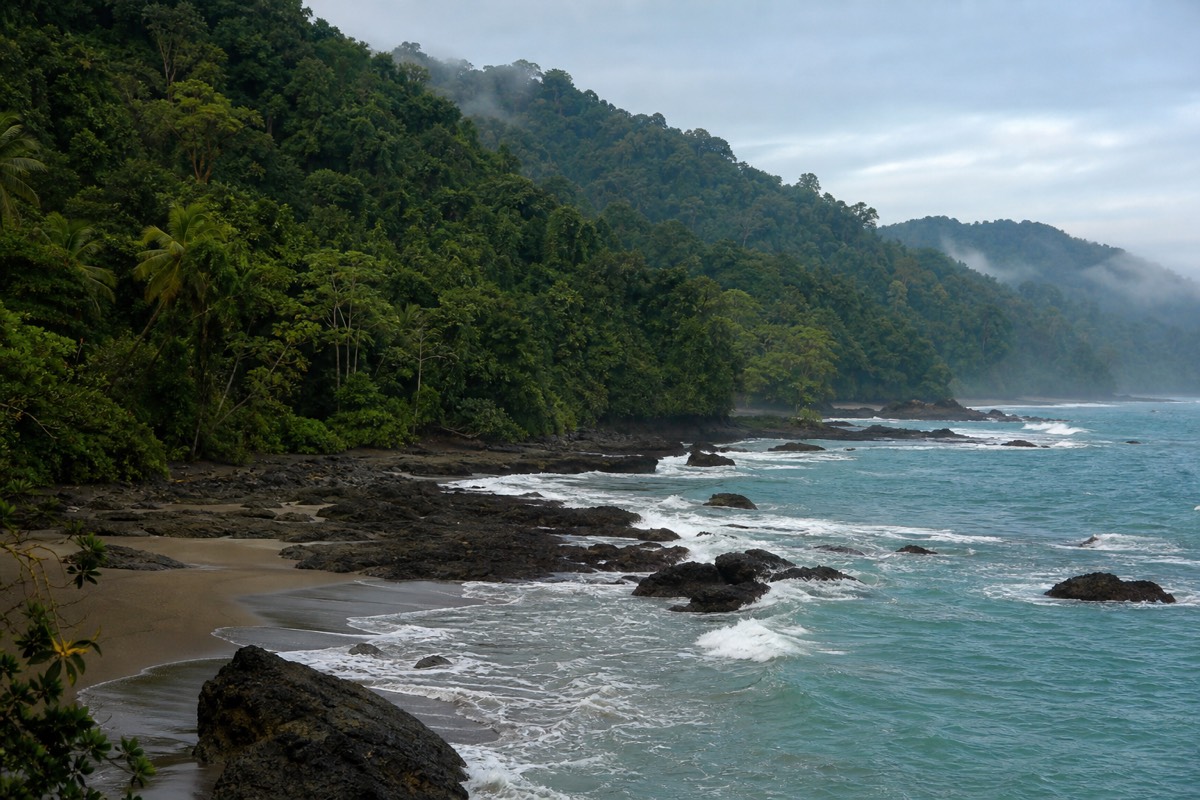
Ask a Costa Rican naturalist where the animals are thickest, and the conversation usually ends up in the same place: the Osa Peninsula, a hook of land in the far southwest where the rainforest runs unbroken down to the Pacific. At its heart is Corcovado National Park, a name that carries real weight among serious wildlife travelers. This is the trip you take when the wildlife itself is the whole point, and you are willing to work for it. Below is an honest account of the payoff, the access, the rules, and the money-and-time question that hangs over any Osa plan.
Quick answer: Corcovado, on the remote Osa Peninsula, offers Costa Rica's most intense wildlife, and its hardest access. Entry requires an advance permit and a certified guide, and most visitors reach it by boat from Sierpe to Drake Bay. Our featured tours run the Pacific circuit and do not reach Osa; treat it as a dedicated add-on for the serious-wildlife traveler.
Osa Peninsula and Corcovado at a glance
Access and stay estimates reflect this article's own body text and the tour corpus; the wildlife names are those documented for the region, not counts. Corcovado's guide and permit rules are set by park authorities and change, so verify current terms.
Where is the Osa Peninsula, and what is Corcovado?
The Osa Peninsula juts off Costa Rica's southern Pacific coast, in Puntarenas province, far from the main tourist corridor. Corcovado National Park covers a huge share of the peninsula, protecting one of the largest tracts of lowland tropical rainforest left on the Pacific side of the Americas. Together they form the country's premier wilderness, and its most remote.
This is not a place you stumble into between other stops. The Osa hangs off the bottom of the map, hours beyond the well-worn Arenal-and-Monteverde route, cradling the Golfo Dulce on one side and the open Pacific on the other. The forest here is old, wet and dense, the kind of primary rainforest that has largely vanished elsewhere. Corcovado itself has no through-roads and only a handful of ranger stations that serve as gateways into the interior.
Because the peninsula stayed so isolated, its ecosystems held together where others fragmented. That intactness is the entire draw. When people describe Corcovado as Costa Rica distilled to its purest form, they mean the absence of the things that thin out wildlife elsewhere: no highways slicing the habitat, no resort sprawl, no crowds. What is left is a working rainforest at full strength, which is rare and increasingly hard to find anywhere in the tropics.
Why is Corcovado called the most biologically intense place on Earth?
The line comes from National Geographic, which famously described Corcovado as the most biologically intense place on Earth. It gets quoted so often because the park earns it. Within a relatively small area, Corcovado packs an extraordinary density of species, from big mammals to hundreds of birds, concentrated by the size and health of its unbroken forest.
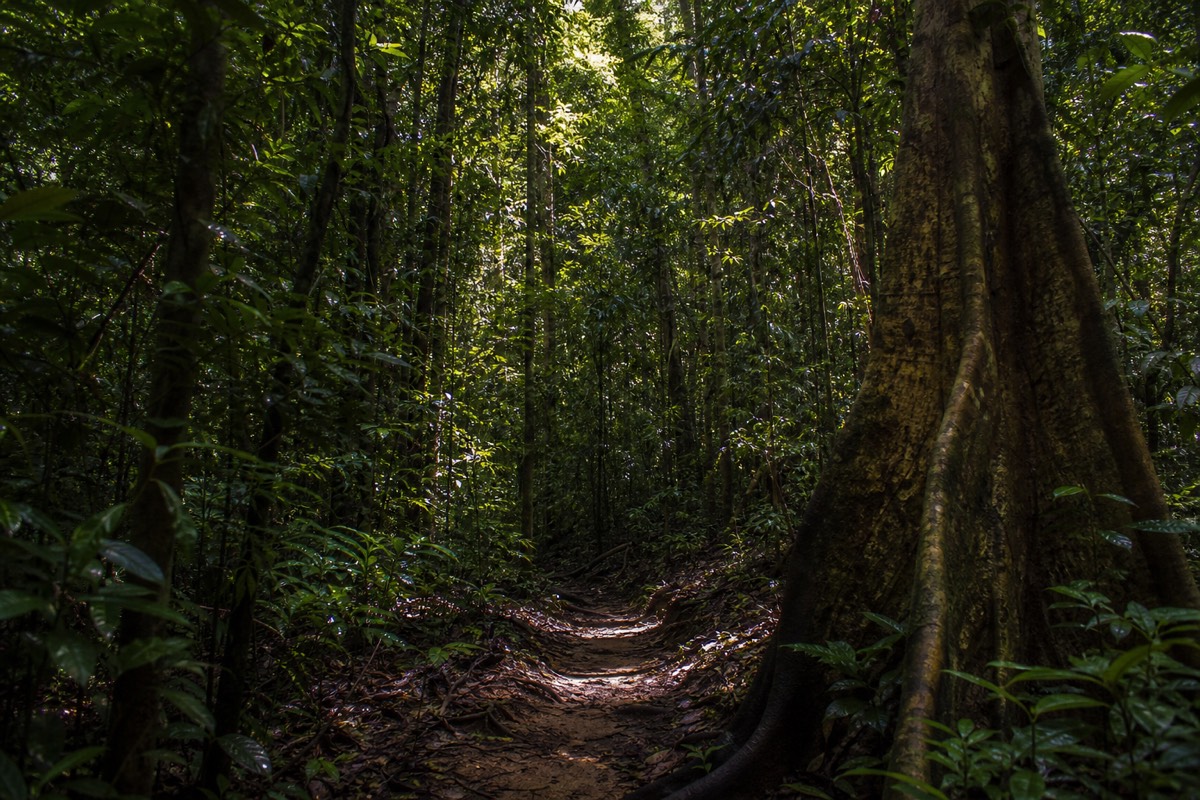
Costa Rica as a whole holds roughly five percent of the world's biodiversity on a landmass the size of West Virginia, and Corcovado is where that statistic feels literal. The park is one of the few places in Central America that still supports the full suite of native large animals in one connected habitat. That completeness is what biologists mean by intensity: not just many species, but the whole food web intact, top predators included.
The National Geographic phrasing has become shorthand for a real phenomenon, though it is worth treating as an evocative description rather than a precise ranking. What is beyond dispute is that few accessible places on the continent offer this concentration of wildlife in genuinely wild conditions. That reputation is also why access is so tightly controlled: a park this valuable and this fragile cannot absorb unlimited, unmanaged foot traffic, which brings us to the rules.
What wildlife will you actually see in Corcovado?
Corcovado is one of the best places in Costa Rica to see scarlet macaws in the wild, along with Baird's tapir, all four of the country's monkey species, peccaries, coatis and an enormous bird list. Big cats including jaguar and puma live here too, though sightings are rare and never guaranteed. This is genuine wilderness watching, not a zoo.
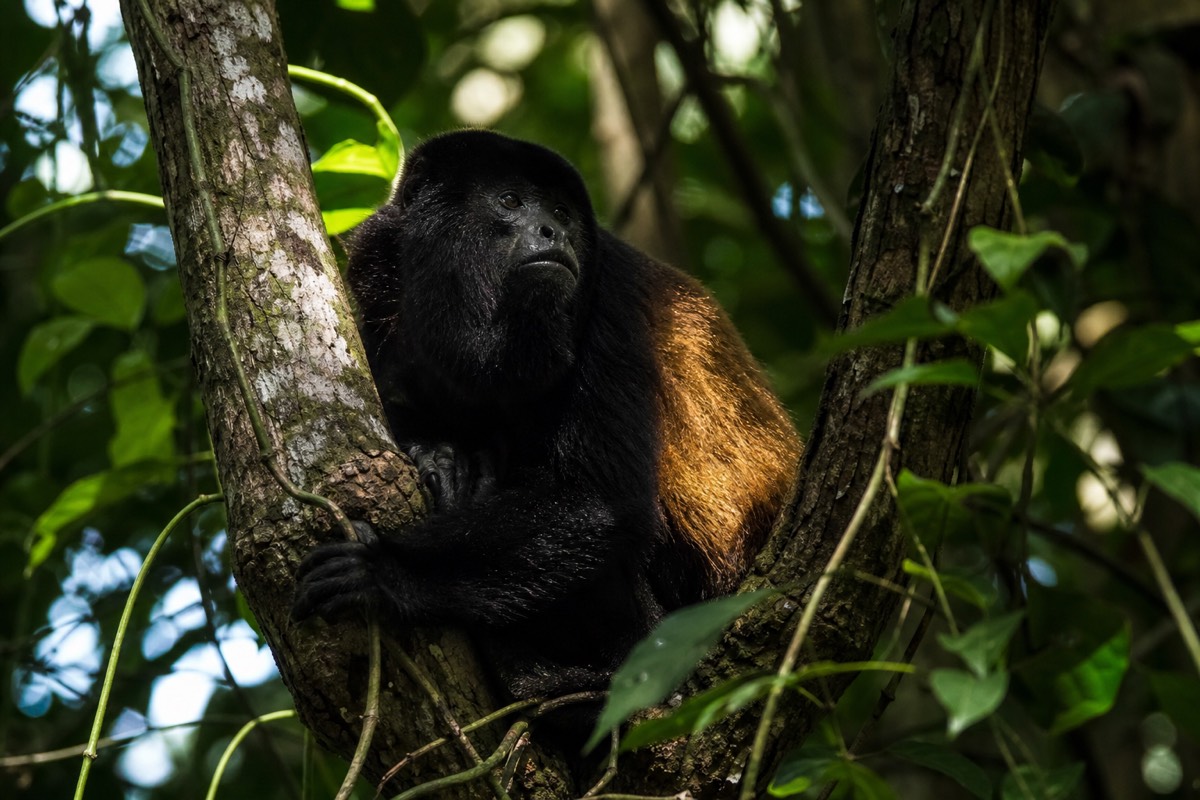
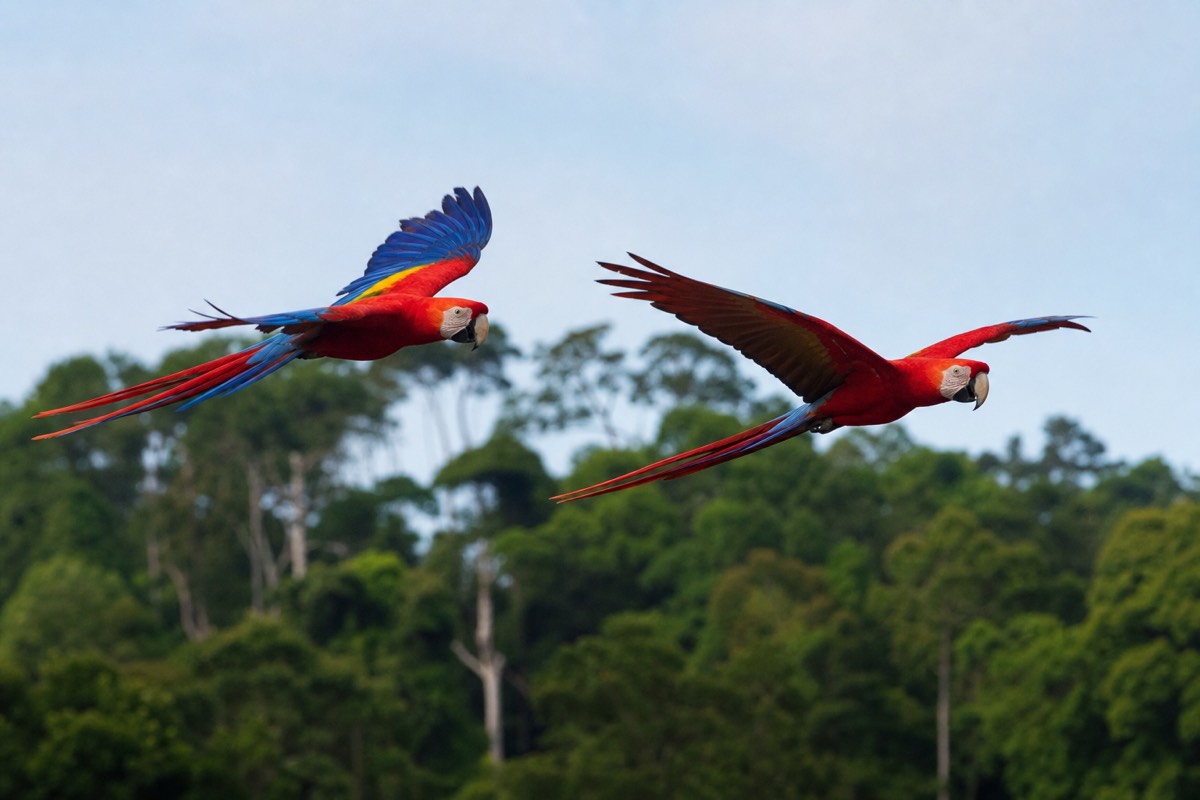
Scarlet macaws are almost a lock, flying over in noisy pairs and feeding in the beach almond trees; the Osa holds one of the healthiest populations in the country. Baird's tapir, the largest land mammal in Central America, is surprisingly reliable around the interior ranger stations, especially near water. All four monkeys share the canopy: mantled howlers, Central American spider monkeys, white-faced capuchins and the tiny, threatened squirrel monkeys that cling to this southern Pacific stronghold.
Then there is the wish list that keeps hardcore wildlife travelers coming back. Herds of white-lipped peccary move through the understory. Anteaters, sloths and coatis turn up regularly. Offshore and along the beaches, you may catch sea turtles, dolphins and, in season, whales. The big cats are the dream and the reality check at once: they are present, the park protects them, and most visitors will never see one. Setting that expectation honestly is part of doing Corcovado right, because the payoff is the density and completeness of the whole ecosystem, not a single guaranteed headline animal.
Do you need a permit and a guide for Corcovado?
Yes to both. Corcovado National Park requires visitors to enter with a certified guide, and it requires an advance permit or reservation, with daily visitor limits. You cannot simply show up at a trailhead and walk in. This is stricter than most Costa Rican parks, and the rules exist to protect a fragile, heavily pressured ecosystem.
The park is entered through ranger stations, each a gateway to different terrain. Sirena, deep in the interior, is the legendary one for wildlife and is typically reached by boat or a long guided hike. La Leona and San Pedrillo sit nearer the coast and make good day-trip entries from the gateway towns. Whichever you use, a licensed guide is mandatory, and reputable guides are also simply better at finding animals in dense forest than any independent visitor.
Because capacity is capped and demand is high in the dry season, permits and guided spots book out ahead, and the specifics of the reservation system have changed more than once in recent years. Do not treat any of it as walk-up. Arrange your guide and permit before you travel, and confirm the current requirements with a licensed local operator or the official Costa Rica tourism board rather than relying on older secondhand advice. The upside of all this structure is that the park stays wild and the trails stay quiet, which is a fair trade for a little bureaucracy.
How do you reach the Osa Peninsula and Drake Bay?
Most Corcovado visitors base in Drake Bay, the main gateway, reached by a scenic boat ride down the Sierpe River and along the coast, by a short domestic flight, or by a long drive that ends on rough, often unpaved roads. Puerto Jimenez, on the gulf side, is the other gateway. None of these is quick, and that is the recurring theme of an Osa trip.
The classic approach is the Sierpe boat. You drive to the small town of Sierpe, then transfer to a boat that runs down a mangrove-lined river and out through the surf into Drake Bay, a memorable arrival that doubles as a wildlife warm-up. Small planes serve the region for travelers short on time or unwilling to face the roads, landing near the gateway towns. Driving is possible but demanding: parts of the peninsula are unpaved and need four-wheel drive, a point this site's own comparison of self-drive versus guided travel flags directly for the Osa.
From Drake Bay or Puerto Jimenez, you then take guided day trips into Corcovado itself, often by boat to a coastal ranger station. Stack it all up and the pattern is clear: getting to the Osa is a project, and getting into Corcovado is a second project layered on top. Budget travel days generously and expect the journey to eat a meaningful slice of any trip, which is exactly why the peninsula rewards travelers who give it real time rather than a rushed overnight.
How does Corcovado compare with Manuel Antonio and Tortuguero?
Corcovado offers the highest wildlife intensity and the hardest access. Manuel Antonio is far easier to reach and still wildlife-rich, but busier and more developed. Tortuguero sits between them: boat-access and wild, built around canals and turtles rather than big-mammal wilderness. The right pick depends on how much effort you will trade for how much wildness.
Manuel Antonio is the park most of our featured tours actually visit, and for good reason. It delivers four monkey species, sloths, coatis and hundreds of birds on an easy loop trail near beautiful beaches, with none of Corcovado's remote logistics. The tradeoff is crowds and a daily visitor cap. Tortuguero, on the Caribbean side, trades roads for canals and centers on green-turtle nesting and waterway wildlife. Corcovado is the extreme end of the spectrum: the wildest, the least crowded, the hardest to organize.
| Feature | Corcovado (Osa) | Manuel Antonio | Tortuguero |
|---|---|---|---|
| Access | Boat or plane, then guided entry; remote | Easy road access, on the main circuit | Boat or small plane only |
| Wildlife intensity | Highest, full ecosystem intact | High and very reliable, easy to see | High, canal and forest species |
| Guide required | Yes, mandatory, plus a permit | Guide optional but recommended | Guide required for safaris and turtles |
| Crowds | Very low | High, with a daily cap | Low to moderate |
| Effort and cost to reach | Highest | Lowest of the three | Moderate |
| Best for | Serious wildlife travelers | First-timers and families | Turtle and waterway wildlife |
Read the table as a spectrum of effort versus wildness. If you want the most wildlife for the least hassle, Manuel Antonio wins, and it is exactly what the standard packages deliver. If you want the wildest possible experience and will build the trip around it, Corcovado is unmatched. Tortuguero is the specialist middle path for anyone whose priority is turtles and canals.
How much extra time and cost does the Osa really add?
A meaningful amount of both. Reaching the Osa typically means extra domestic flights or long transfers, several nights in a gateway like Drake Bay, and paid guided park entries with permits. Realistically it is a multi-day, dedicated extension rather than a quick side trip, which is the heart of the is-it-worth-it question every Osa planner faces.
Plan on basing three to four nights in or near Drake Bay to make the journey pay off, with one or two guided day trips into Corcovado from there. Each park visit carries a guide fee and permit, on top of the boat or flight to reach the region. Lodges on the Osa range from rustic to high-end eco-camps, and the remoteness that makes them special also makes supplies and transfers cost more. This is not where budget travelers go to save money.
Weigh that against what you get: arguably the best wildlife experience in Costa Rica, in genuine wilderness, with a real shot at animals that are rare or absent elsewhere. For a wildlife-first traveler, that is often worth every extra hour and dollar. For a first-timer who mainly wants sloths, monkeys, volcanoes and beaches on a single smooth itinerary, the Osa is likely more trip than the goal requires, and the standard circuit delivers most of the wildlife with far less friction. Being honest about which traveler you are is the fastest way to the right decision.
Do any of these Costa Rica packages reach the Osa Peninsula?
No. Our featured multi-day packages, including the two paired with this guide, run the classic Pacific and central circuit of Arenal, Monteverde and Manuel Antonio, and they do not reach the Osa Peninsula or Corcovado. If Corcovado-grade wilderness is your priority, treat it as a specialized add-on. If you want strong wildlife with easy logistics, these tours are the realistic match.
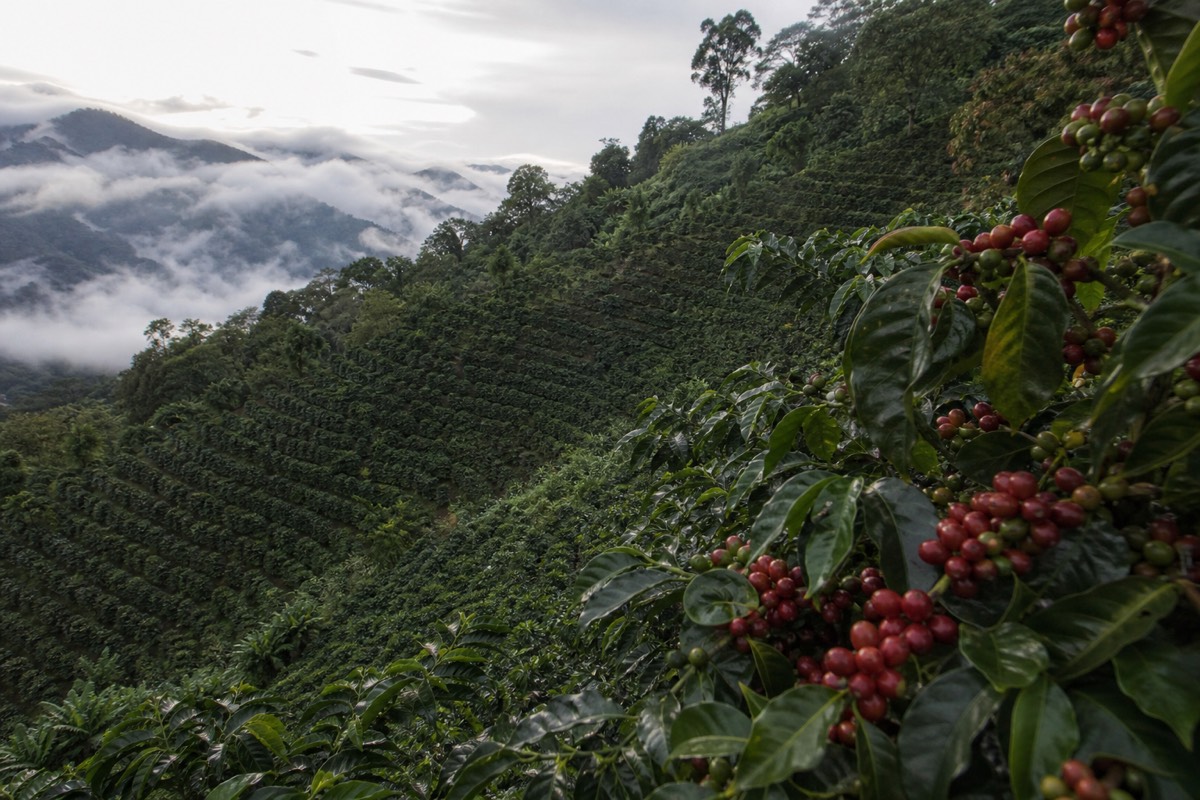
The Costa Rica Quest, a 9-day adventure-and-wildlife route operated by G Adventures, is the highest-booked tour on the site, with well over two thousand bookings and a 4.6 rating. It concentrates on the region every itinerary favors, coffee country in Sarapiqui, Arenal, Monteverde cloud forest and Manuel Antonio, and it delivers a lot of accessible wildlife for the money without the remote-peninsula logistics. The Costa Rica Classic 12-Day Tour by One Life Adventures is the longest and highest-priced route, adding Poas Volcano and the Nicoya beaches at Santa Teresa, and it reaches its wildlife peak at Manuel Antonio rather than in the far south.
Neither pretends to be an Osa trip, and that honesty matters. What they offer instead is the country's most-visited, most-reliable wildlife on a handled itinerary, which is the right call for most first-time and family travelers. Corcovado is the trip you plan when the standard circuit is no longer enough and the wildlife itself has become the entire reason you are going. Check live prices on each listing before you decide, and if the far south is calling, build it as its own chapter rather than trying to squeeze it into a circuit tour.