How Many Days Do You Need in Costa Rica?
Costa Rica is the size of West Virginia, which fools people into thinking they can see it in a long weekend. The catch is the terrain, and it changes the whole calculation of how long to stay.
The most common planning mistake for Costa Rica is not too few days. It is too many regions crammed into whatever days you have. The country is small on a map and slow on the ground, and the difference between a great trip and a blur of van windows comes down to matching your day count to a realistic number of places. This is the duration hub: how long you actually need, why the map lies, and which of the six real tours fits five days, seven, ten or twelve.
Quick answer: 5 days covers one region, 7 days gets the Golden Triangle at a brisk pace, 9 to 10 days is the comfortable sweet spot with a fourth region, and 12 or more days adds the beaches. Costa Rica rewards fewer bases and more nights in each.
How far each trip length gets you
Day counts and regions from the site's own six real tours; region counts reflect the itineraries described in each tour's route.
How many days do you need in Costa Rica?
For a first trip that covers the classic highlights without living on the road, plan seven to ten days. That is enough for the trio of Arenal, Monteverde and Manuel Antonio, the format the site calls its most validated. Five days works for a single region, and twelve or more adds the coasts and a fourth or fifth stop.
There is a strong real-world signal in the booking data here. The 9-day Costa Rica Quest is the most-booked tour on the entire site, with more than 2,295 bookings, well ahead of everything else. Travelers keep landing on that eight-to-ten-day range because it hits the balance point: enough time to see the greatest hits, not so much that you are padding the back half.
Shorter absolutely works if you plan it right, and longer opens up the parts of the country that day-trippers never reach. The rest of this guide walks the ladder rung by rung so you can pick the length that fits your time and your priorities, then match it to a tour that already sequences the logistics for you.
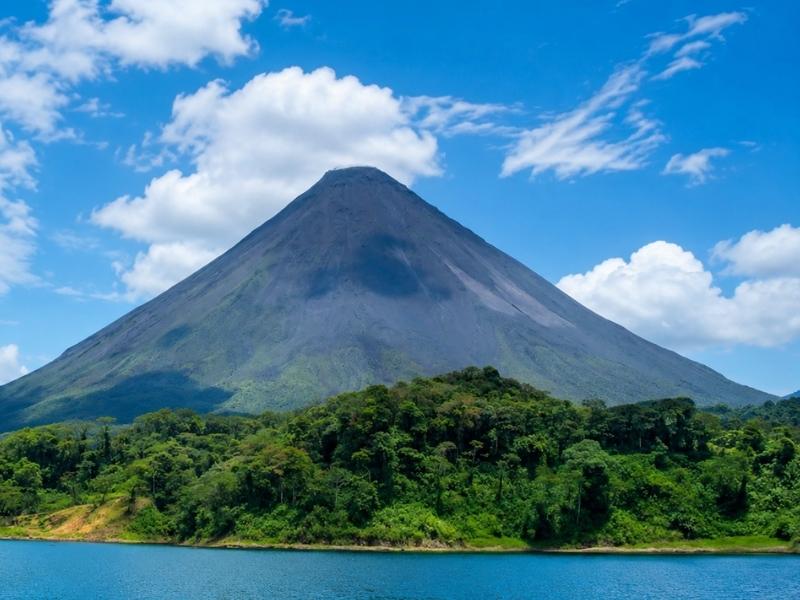
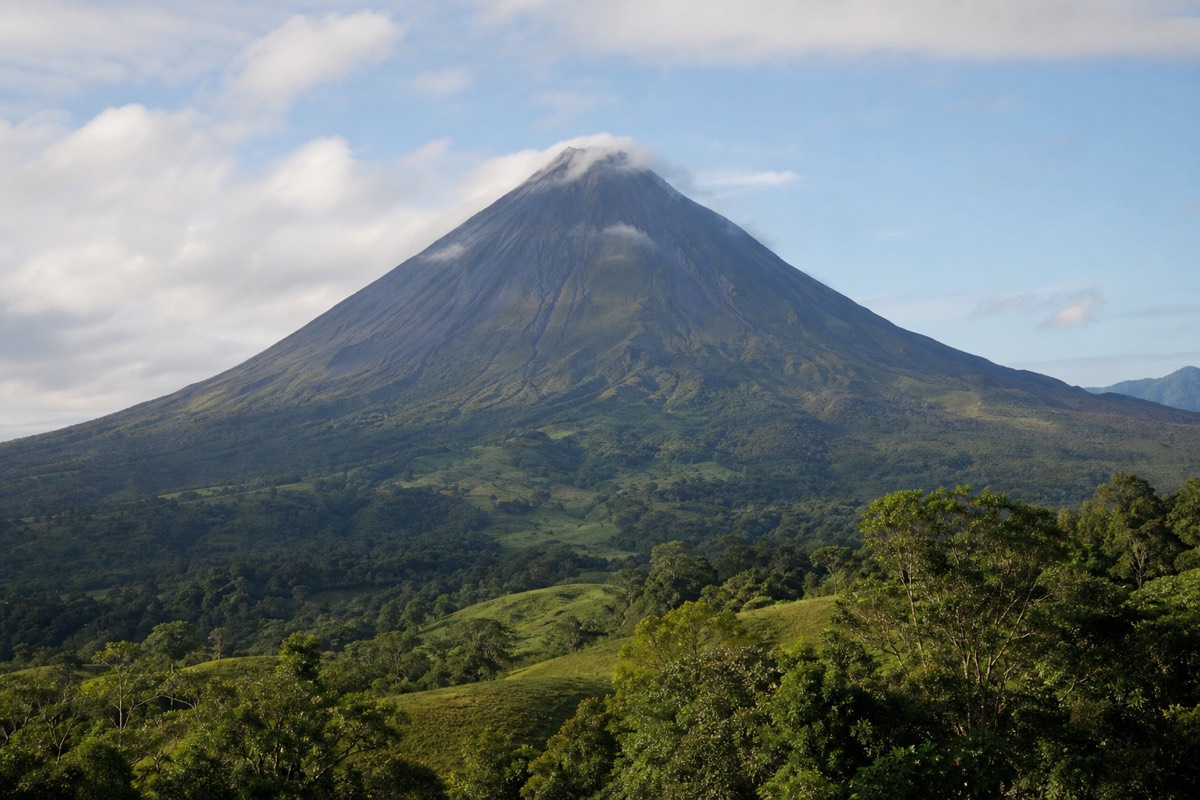
One framing helps before the details. Think in regions, not in cities or attractions. Costa Rica's highlights cluster into a handful of areas, the Central Valley, the Arenal and La Fortuna zone, the Monteverde cloud forest, the Central Pacific around Manuel Antonio, the Caribbean canals of Tortuguero, and the far-south Osa Peninsula. Your day count is really a budget for how many of those regions you can visit without the transfers eating the trip, and that reframing is what keeps an itinerary honest.
Two practical anchors bracket every itinerary: your arrival day and your departure day are rarely full. The tours here start and end in San José, and the advice across the board is to arrive the evening before your trip begins so a delayed flight does not cost you day one. On the back end, an early departure can eat the final morning. Count those two partial days honestly and a seven-day trip is really about five full ones, which is why padding a region or adding two extra nights matters more than it looks.
Why Costa Rica takes longer to cross than the map suggests
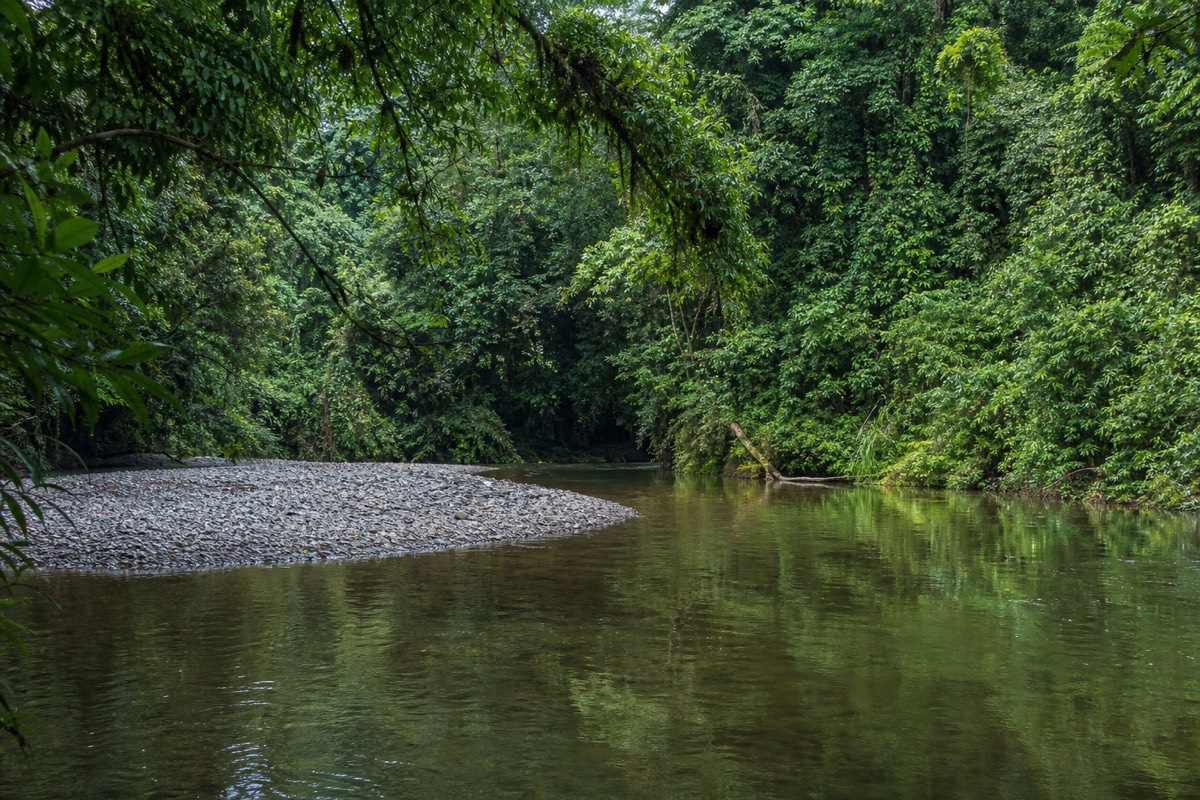
Distances are short but slow. Roads wind over a mountain spine, some approaches like Monteverde are unpaved, and a 90-mile hop can eat half a day. That single fact shapes every itinerary here: fewer regions with more nights in each beats a checklist of long transfer days every time.
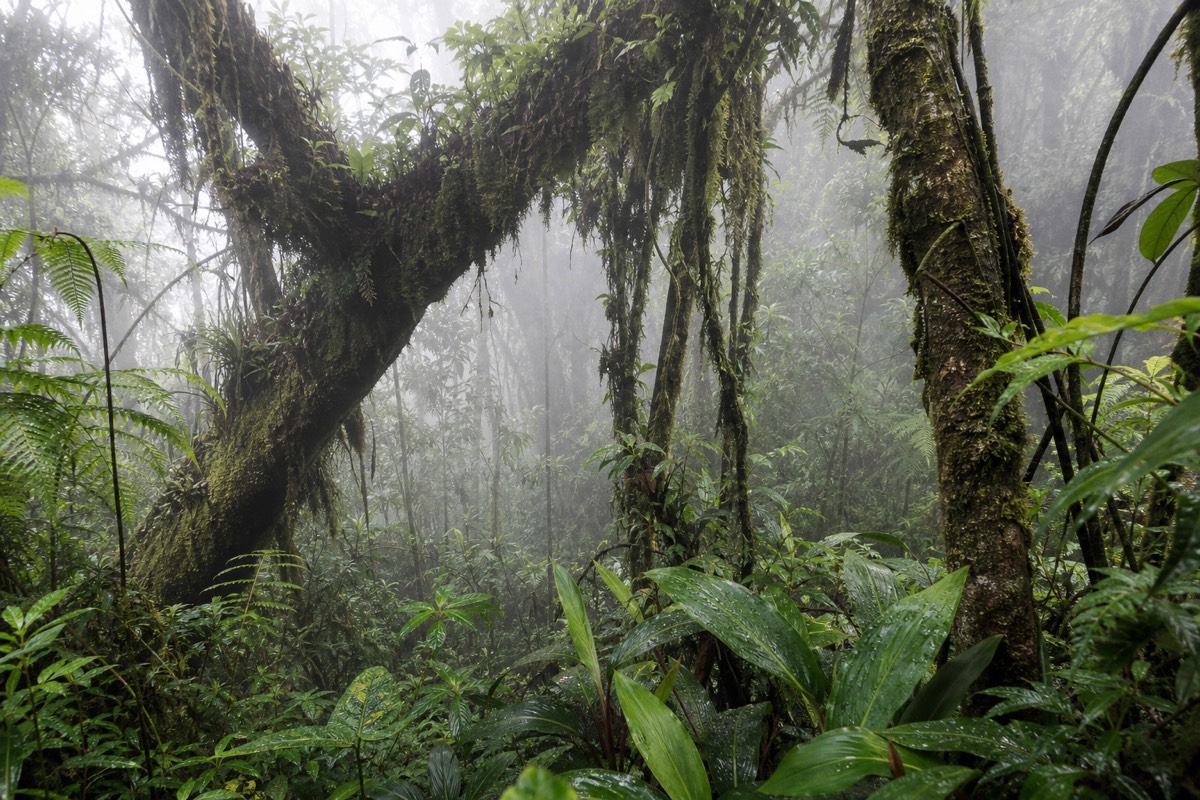
The country's best regions sit on opposite sides of a central mountain range, so getting from a volcano to a beach or from a cloud forest to a canal is rarely a straight, fast line. This is exactly why all six tours use the Lake Arenal boat crossing, a shortcut that skips hours of driving around the lake between Arenal and Monteverde. When operators design around a lake ferry to save time, that tells you how real the transfer problem is.
The site is honest about the cost of overreaching. Its own analysis attributes the Essential Costa Rica tour's slightly lower guest rating to long transfer days across three spread-out regions, even though the tour itself is a bestseller. The lesson is not to avoid ambitious trips. It is to give an ambitious trip enough days that the driving does not swallow the experience.
There is a hidden tax on every move beyond the drive itself: the pack-up, the check-out, the check-in, the reorientation to a new town. Each region change costs you a chunk of a day even when the road is short, which is why two nights per base is close to a floor rather than a luxury. Plan for that overhead honestly and your itinerary suddenly has room to breathe, instead of promising a dawn hike the same morning you also have a four-hour transfer.
A day-count ladder: how far each trip length gets you
Here is the whole ladder in one view, from a single-region long weekend to a full grand tour. The rule of thumb underneath it is one region for every two to three days, which is why each rung adds roughly one more place as the days climb.
| Trip length | Regions you can realistically combine | Best-fit package |
|---|---|---|
| 5 days | 1 region, or a very tight 2 | Build around one base, such as Arenal |
| 6 days | 1 to 2 regions (Central Valley, Arenal, Monteverde) | 6-day Volcanoes, Cloud Forests and Zip-Lines, around $544 |
| 7 days | 2 to 3 regions, Golden Triangle tight | 7-day Raft, Hike and Explore, around $1,593 |
| 8 days | 3 regions, the Golden Triangle | 8-day Costa Rica Experience, around $1,364 |
| 9 days | 3 regions at a comfortable pace | 9-day Costa Rica Quest, around $1,333, most booked |
| 10 days | 4 regions (adds Tortuguero) | 10-day Essential Costa Rica, around $1,973 |
| 12 days | 5 or more regions, including Pacific beaches | 12-day Costa Rica Classic, around $2,546 |
| 14+ days | Add the Osa Peninsula or the Caribbean coast | Custom or combined itineraries |
Read the ladder top to bottom and the pattern is clear: the money and the days both climb, but so does the number of regions, and the trips that guests rate highest are the ones that do not try to skip rungs.
The ladder also shows why the middle rungs are the most booked. The six-day trip is the value entry point and the twelve-day is the grand tour, but the eight-to-ten-day range is where most travelers land, because it fits a typical vacation's length and covers the headline regions without a punishing pace. If you are choosing blind, start there and adjust: trim to a week if your calendar is tight, or stretch toward twelve days if you want the coast and a slower rhythm.
Is five days enough for Costa Rica?
Five days is enough for one region done well, not the whole country. Base yourself in Arenal and La Fortuna, or pair the Central Valley with a single coast, and resist the urge to bolt on a far-flung beach. Two of those five days will partly disappear into arrival and departure logistics.
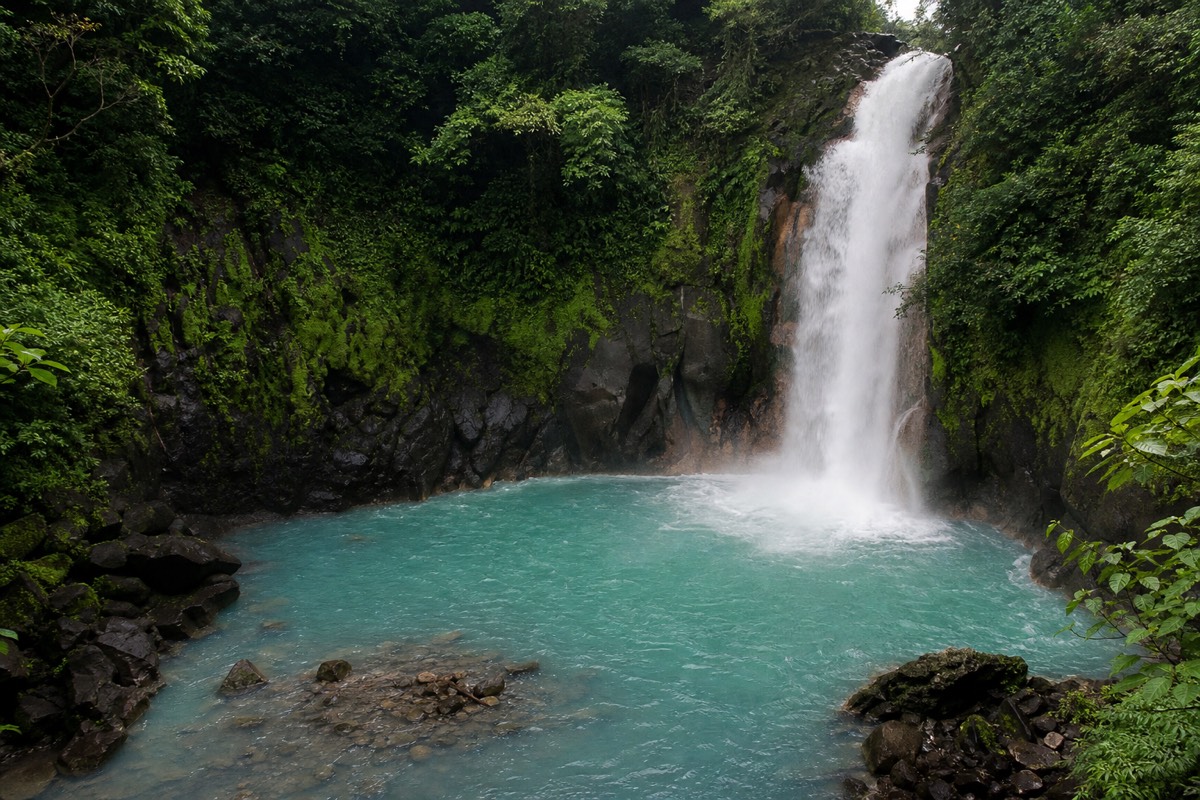
The math is unforgiving on a short trip. If you land in the evening, as the site itself recommends so you are rested for an early start, and you fly out on the final day, you really have three full days in the middle. That is plenty to soak in the Arenal hot springs, walk a lava-field trail and do a hanging-bridges canopy tour, but it is not enough to add Monteverde and a Pacific beach without spending most of it in a vehicle.
Pick depth over breadth. One region for five days means you actually see it: sunrise wildlife, an unhurried park visit, an evening at the hot springs. That beats a frantic loop where you are always packing, always driving, and never quite present anywhere.
Worth saying plainly: a five-day trip can still be a fantastic one. Plenty of travelers come specifically for Arenal, do it thoroughly, and leave delighted rather than shortchanged. The failure mode is not a short trip, it is a short trip with a long-trip itinerary stapled to it. Match your ambitions to your days, and five nights in one great region beats a blurred survey of the whole country every single time.
If five days is truly all you have, Arenal is the strongest single base for a first trip. From La Fortuna you can fill three good days with a volcano hike, a waterfall, hot springs and a hanging-bridges walk, all within a short radius, so almost none of your limited time goes to transfers. A short trip is not a lesser trip. It is just a trip that has to choose one place and commit to it rather than sampling three in a rush.
Is seven days enough?
Seven days is the shortest comfortable window for the Golden Triangle, and the site calls a six-to-seven-day tour covering Arenal, Monteverde and Manuel Antonio its most validated format in the whole portfolio. It works well, but expect two travel-heavy days and some early starts to make it flow.
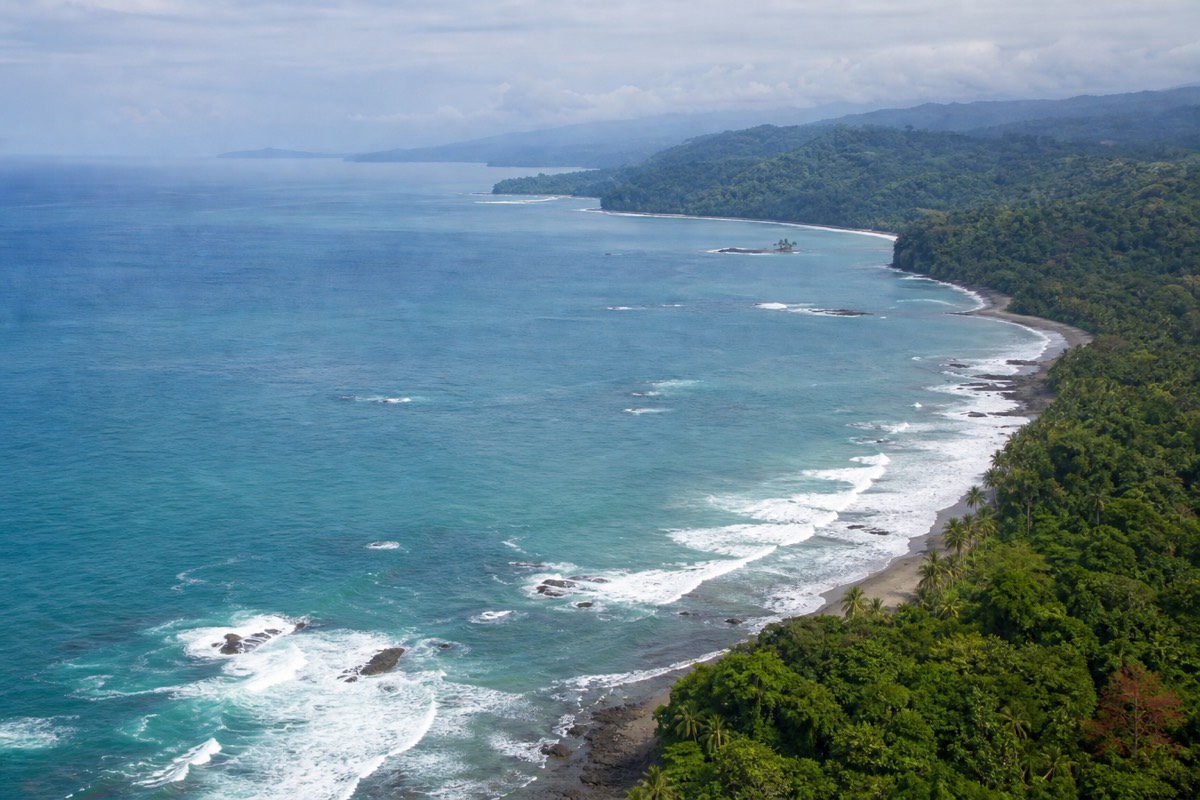
A week is where Costa Rica starts to feel like a real trip rather than a sampler. It gives you two nights in the Arenal area, a run through the Monteverde cloud forest and time on the Central Pacific, which is the combination most first-timers actually came for. The tradeoff is pace: with three regions in seven days, the transfer days are full, so you lean on early mornings to keep the sightseeing from getting squeezed.
The 7-day Raft, Hike and Explore Costa Rica Adventure shows one strong way to spend a week, pairing Pacuare River whitewater rafting with Arenal and Monteverde and using private airport transfers to save time at the edges. It skips Manuel Antonio in favor of the river, which is the kind of honest tradeoff a seven-day trip asks you to make: pick your three, and do them properly.
A week also forces a useful decision about what kind of trip you want. Some travelers spend those seven days on the classic wildlife-and-cloud-forest triangle, others swap one leg for adventure, like the rafting route, or for beach time. There is no wrong answer, but there is a wrong instinct, which is trying to do all of it. Seven days rewards a clear theme and punishes a wishlist, so choose your three regions with intent and let the rest wait for a future trip.
Is ten days the sweet spot?
Ten days is where the trip stops feeling rushed. You keep the Golden Triangle and add a fourth region, most naturally the Tortuguero canals for sea turtles and rainforest wildlife. The 10-day Essential Costa Rica Tour with Manuel Antonio National Park is built on exactly that shape.
The Essential tour threads Tortuguero, Arenal, Monteverde and Manuel Antonio into one route, which is the payoff of the extra days: the canals and their 350-plus bird species, plus the volcano, the cloud forest and the Pacific park, without the whiplash of doing four regions in a week. The site is candid that this ambition comes at a cost, the tour's guest rating reflects those longer transfer days, but ten days is what makes four regions humane at all.
If you want four regions with a touch more breathing room, nine or ten days is the range to target. That is also where the most-booked 9-day Costa Rica Quest lives, covering three regions at a genuinely comfortable pace. Between roughly eight and ten days, you get the country's signature experiences without the sense that you are speed-running them.
Ten days also leaves slack for the things a tighter trip cuts first: a full rest morning, an optional add-on like a canyoning trip or a second night walk, a slow lunch at a coffee farm instead of a roadside sandwich. Those unscheduled hours are often what people remember most, and they are the first casualty of an over-packed week. If your calendar and budget stretch to it, the jump from seven to ten days buys disproportionately more trip than the three extra days suggest.
A quick way to sanity-check any plan is to count your one-way transfers. Four or fewer big moves across a ten-day trip is comfortable, since it leaves most days rooted in a place rather than a vehicle. Push past that and you are trading experience for mileage. The best ten-day itineraries are not the ones that touch the most regions, they are the ones that visit a sensible four and give each enough time to be worth the drive to reach it.
When do you need twelve to fourteen days?
Reach for twelve days or more when you want the highlights and the coast, not one or the other. Twelve days lets you pair Arenal, Monteverde and Manuel Antonio with real Pacific beach time on the Nicoya Peninsula, which is exactly what the 12-day Costa Rica Classic Tour by One Life Adventures is built to do.
The Classic route is the most complete on the site: Poas Volcano, a Sarapiqui wildlife rescue centre, Arenal, Monteverde, the Paquera Bay crossing, the Santa Teresa beaches and Manuel Antonio, ending back near San Jose. Those extra days buy you the beach and a slower rhythm, so the trip has room to breathe between the big-ticket parks rather than sprinting between them.
Two weeks or more is when the map really opens up. With fourteen-plus days you can add the wild Osa Peninsula and Corcovado in the far south, or swing to the Caribbean coast around Puerto Viejo for its different food, rhythm and rainforest. At that length the advice inverts: you finally have the days to go deep in a corner most itineraries never reach, so use them there rather than adding a fifth quick stop.
The other reason to stretch to twelve days is the pace itself, not just the extra region. A longer trip lets you build in a genuine down day or two, a morning with no alarm on a beach, which matters more than most people plan for after a week of early wildlife starts. If you are the kind of traveler who comes home from vacation needing a vacation, the twelve-day version is less about seeing more and more about seeing the same highlights at a rhythm you can actually enjoy.
Budget scales with days too, and it is worth being clear-eyed about that tradeoff. The jump from the roughly $544 six-day trip to the roughly $2,546 twelve-day one is real money, and more days means more meals, tips and optional extras on top. For many travelers the sweet spot is precisely the middle of that range, enough days to see the highlights well without the cost or the time commitment of the full grand tour. Let both your calendar and your budget vote, and they usually agree on eight to ten days.
How many destinations is too many?
A good rule is one region for every two to three days, with no more than one big transfer day back to back. Cram five regions into a week and you will see a lot of van interior and miss the early-morning wildlife window that makes the parks worth the trip in the first place.
The single most common first-timer mistake the site calls out is spending too many days in transit and not being awake for the sunrise and early-morning activity when animals are actually out. Wildlife does not perform at 2 p.m. after a four-hour drive. It shows up at dawn, which means the itineraries that win are the ones with fewer moves and earlier mornings, not the ones with the longest list of stops.
So plan for at least two nights in the Arenal area, give Monteverde its morning bridges and its night walk rather than a rushed half-day, and let a region earn its place before you add it. If you are unsure how to sequence all this, that is precisely what a handled package solves: the 6-day Volcanoes, Cloud Forests and Zip-Lines tour, the 9-day Costa Rica Quest and the 12-day Costa Rica Classic each pick a realistic number of regions for their length and order the transfers so you are not the one doing the math on the road.
When in doubt, subtract a region and add a night. Almost nobody comes home wishing they had spent more time in the van and less time watching a sloth wake up, but plenty of travelers wish they had slowed down. Whatever length you choose, let the days set the number of places rather than the other way around, and the trip will feel far larger than the sum of its stops.
Whatever number you land on, book the length that matches the trip you actually want rather than the one that fits the most pins on a map. A tour built for your day count has already balanced the regions against the transfers, so you arrive to a plan that breathes. That is the whole game here: let the days lead, keep the bases few, and Costa Rica gives back far more than a rushed checklist ever could.