Nosara and Santa Teresa: Costa Rica's Nicoya Surf Towns
The bottom of the Nicoya Peninsula hides three of Costa Rica's most beloved beach towns, each with a distinct personality. Santa Teresa, Nosara and Samara sit close together but feel worlds apart. Here is how to tell them apart and pick the right one.
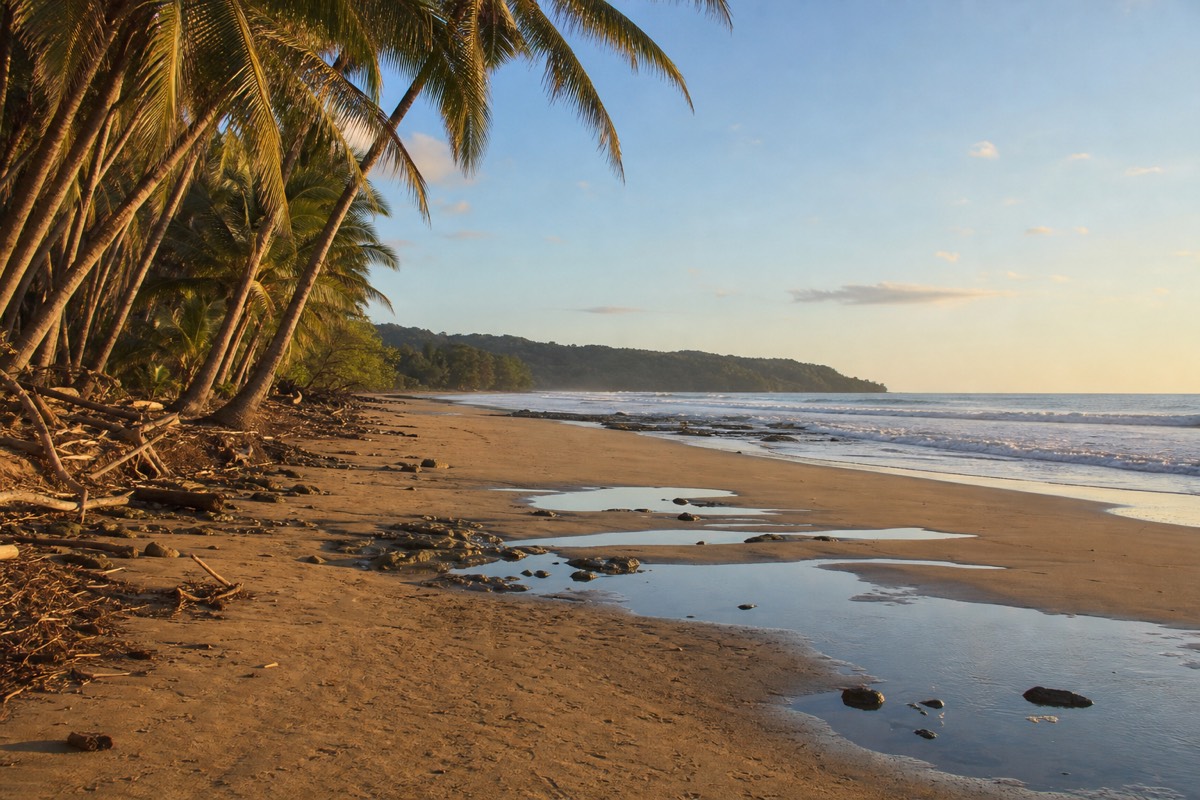
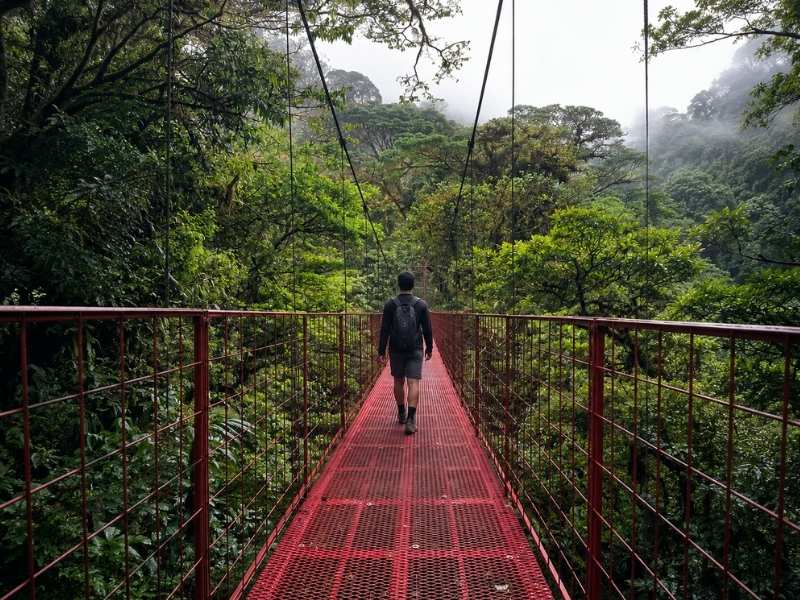
Some of Costa Rica's most talked-about beach towns share the same remote peninsula and could not feel more different from one another. Down at the wild southern tip of Nicoya, Santa Teresa runs on surf and long golden sunsets, Nosara has become a magnet for yoga and wellness, and Samara keeps things gentle and swimmable. Getting to any of them takes some effort over rough roads, which is part of why they have kept their character. This guide sorts out who each town is for, and names the one package here that actually reaches this coast.
Quick answer: On the southern Nicoya Peninsula, Santa Teresa is the surf-and-bohemian scene, Nosara is the yoga-and-wellness hub, and Samara is the mellow, swimmable family town. The roads in are rough. Of the packages here, only the Costa Rica Classic 12-Day Tour reaches this coast, stopping at Santa Teresa on its Nicoya leg.
Nicoya surf towns compared
Surf level, vibe and access reflect this article's own body text and widely reported characterizations of each town, not measured data. Only Santa Teresa is reached by one of our tours; the rest are independent stops.
Where are Nosara, Santa Teresa and Samara?
All three sit on the Nicoya Peninsula, the long finger of land on Costa Rica's northern Pacific coast. Santa Teresa anchors the wild southern tip, Nosara lies up the coast to the northwest, and Samara sits between them. They are close as the crow flies, but rough roads and few direct connections make each feel like its own separate destination.
The Nicoya Peninsula belongs to the country's Pacific side, spanning parts of Guanacaste and Puntarenas provinces. Its coastline is a run of surf beaches, jungle-backed coves and small towns that grew up around waves and, more recently, wellness. The peninsula is also part of one of the world's so-called Blue Zones, regions noted for unusual longevity, a label that gets attached to Nicoya often and adds to its mystique.
Distance here is measured in road quality, not kilometers. The towns look near each other on a map, but getting between them can mean backtracking inland or grinding along unpaved coastal tracks, so travelers typically pick one base rather than trying to hop all three in a short trip. That mild inaccessibility has been a blessing in disguise: it slowed development, kept the towns human-scaled, and preserved the distinct personalities that make choosing between them worthwhile.
What is Santa Teresa like?
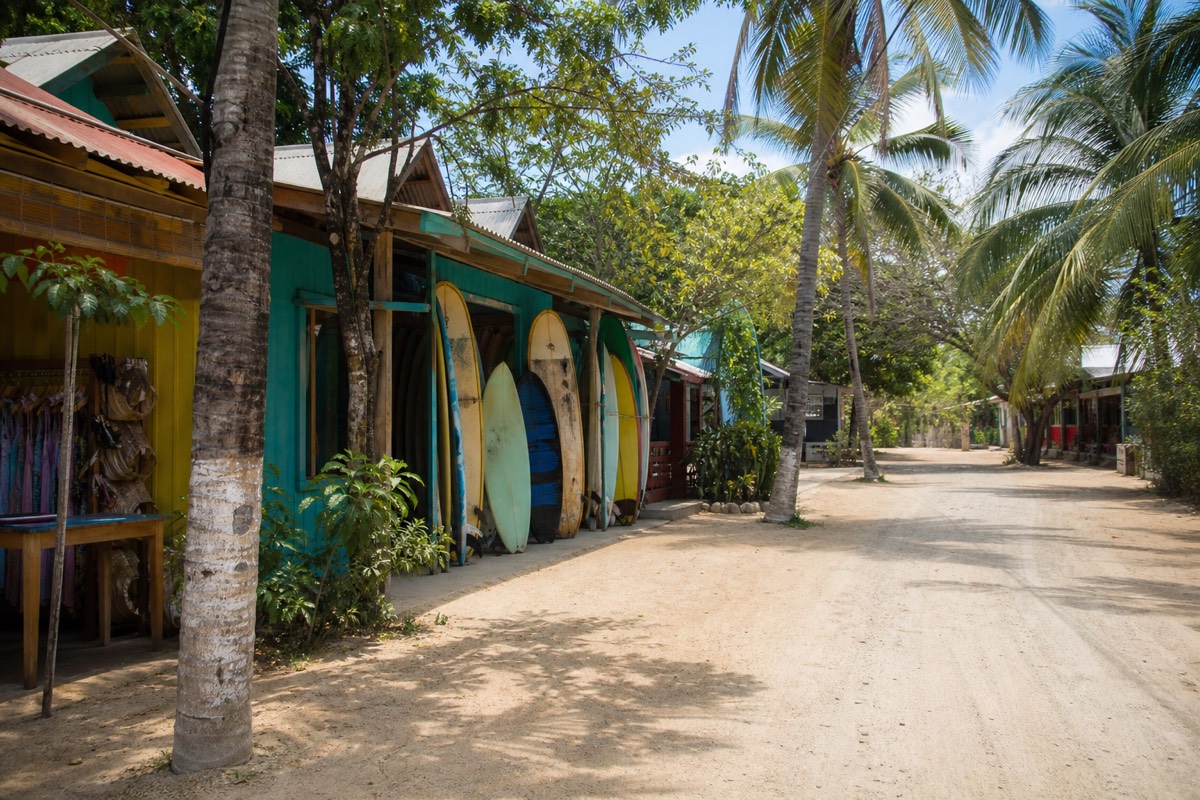
Santa Teresa is the surf town with a bohemian, increasingly upscale edge. Its long, consistent beach break draws surfers of every level, its sunsets are the evening event, and its single dusty main road is lined with beach cafes, yoga studios and stylish small hotels. The vibe is barefoot and unhurried, but the prices and the crowd have crept upmarket.
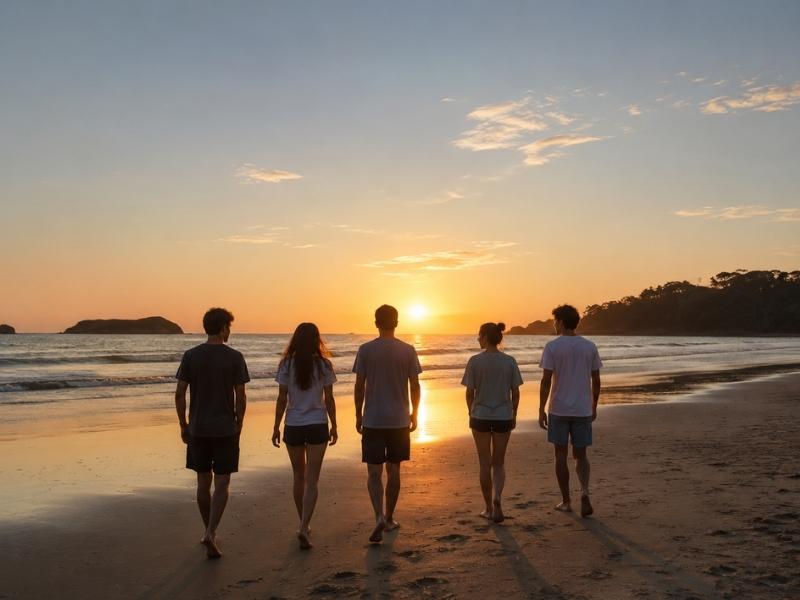
The beach is the heart of it. Playa Santa Teresa and neighboring Playa Carmen offer a powerful, reliable beach break that works across the tides, which is why the town has become one of the country's surf capitals. Even non-surfers gravitate to the shore at dusk, when the whole town seems to drift down to watch the sun drop into the Pacific, boards under arms and cold drinks in hand.
Off the water, Santa Teresa has evolved from a rugged surf outpost into a boho-chic scene, with wellness studios, international restaurants and design-forward lodgings sitting alongside older, scruffier beach bars. The main road is still unpaved and dusty in the dry season, muddy in the wet, which keeps a little grit in the glamour. It suits travelers who want surf and a lively, fashionable social scene, and who do not mind that the town's popularity has pushed prices up and the dirt road stays stubbornly rough.
What is Nosara like?
Nosara is Costa Rica's yoga and wellness capital, calmer and more spread out than Santa Teresa, and very family-friendly. Built around the long, beginner-friendly beach break at Playa Guiones, it draws a health-minded crowd to its yoga studios, wellness retreats and jungle-shrouded lanes. Strict local building habits keep it green, low-rise and pleasantly hidden in the trees.
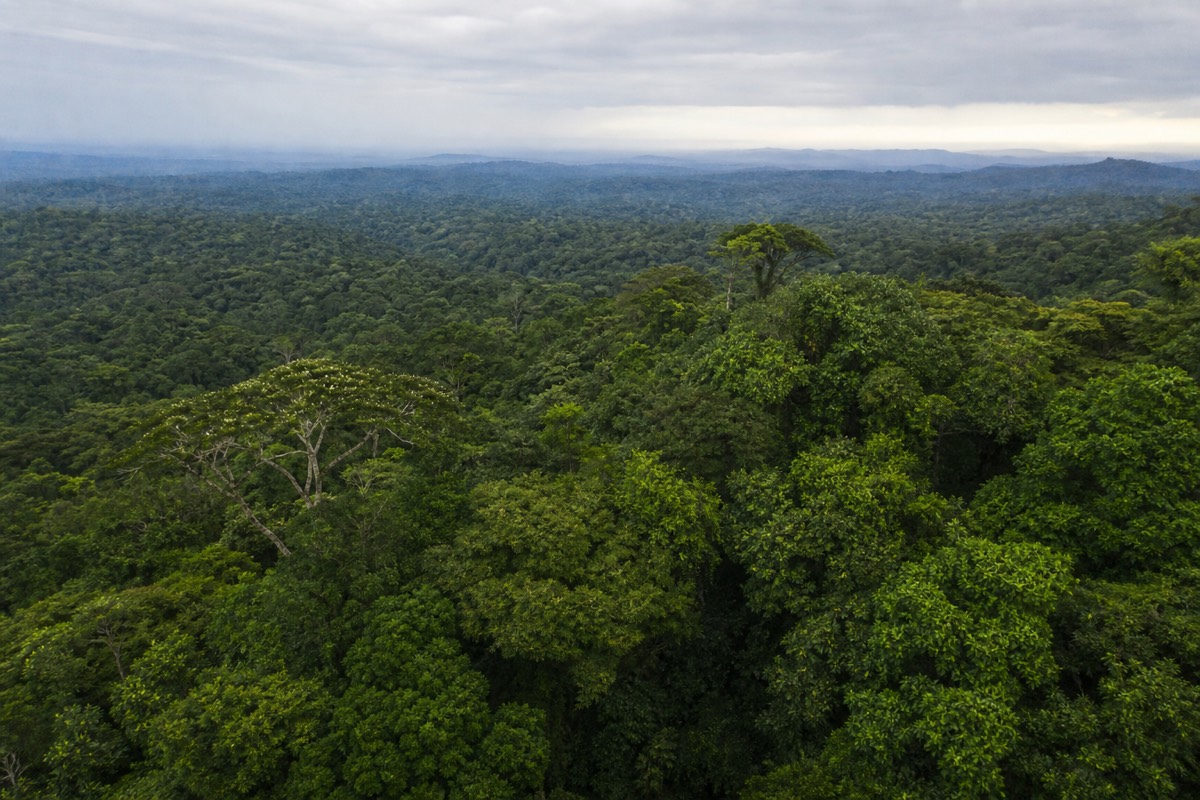
Where Santa Teresa is a scene, Nosara is a sanctuary. The town is dispersed through the forest rather than lined up along one strip, and much of it is deliberately screened by jungle, with development kept low and away from the beach. That gives Nosara a leafy, private feel and keeps howler monkeys and birds a constant presence, even near the yoga decks.
Playa Guiones, the main beach, is a long, forgiving break that has made Nosara one of the best places in the country to learn to surf, which pairs naturally with the wellness culture. Surf schools, yoga institutes and retreat centers cluster here, and the overall rhythm is early mornings, healthy food and early nights rather than late bars. It is a strong pick for families, solo travelers on a wellness kick, and anyone who wants surf and yoga in a quiet, nature-rich setting instead of a party town.
What is Samara like?
Samara is the mellow, swimmable one. Set on a calm, reef-protected horseshoe bay, it has the gentlest water of the three towns and the easiest access, thanks to a paved road most of the way in. That makes it a favorite for families, older travelers and anyone who wants a relaxed Costa Rican beach town without rough roads or heavy surf.
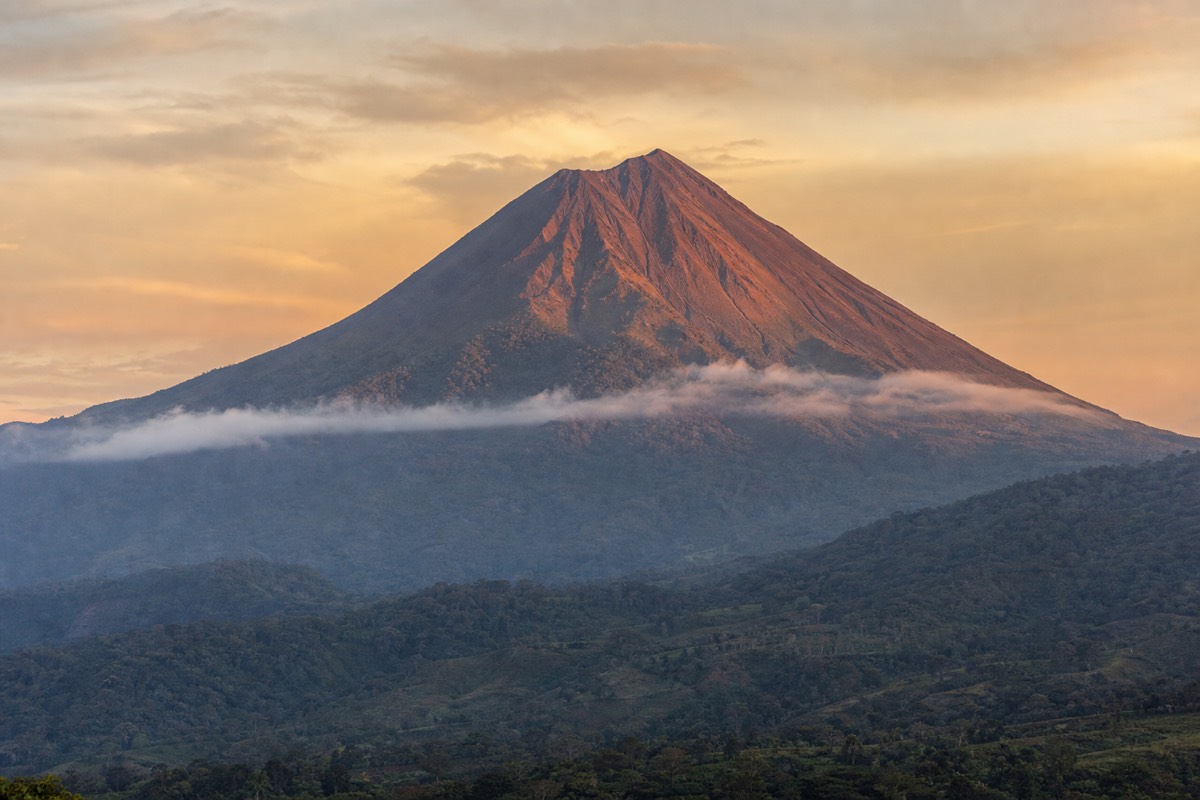
The bay is the difference maker. A reef across the mouth of the cove tames the swell, so the water inside is generally calm and safe for swimming, a genuine rarity on a Pacific coast known for powerful surf and rip currents. Kids can paddle, beginners can dabble in gentle waves at the edges, and the whole town runs at an easygoing, local pace.
Samara is smaller and less trend-driven than its neighbors, with a friendly, unpretentious feel and a mix of Tico families and low-key visitors. It has enough restaurants and small hotels to be comfortable without feeling developed, and its relative accessibility means you can reach it without a punishing drive. For travelers who find Santa Teresa too rugged or too scene-y and Nosara too spread out, Samara is the gentle middle ground: swimmable, welcoming and simple.
Surf: beginner-friendly or advanced, and where should you go?
All three towns surf, at different levels. Nosara's Playa Guiones is the classic beginner beach, a long, forgiving break ideal for lessons. Santa Teresa has a more powerful, consistent break that rewards intermediate and advanced surfers while still hosting learners. Samara has the gentlest, smallest waves, better for a first taste or an easy longboard than for progression.
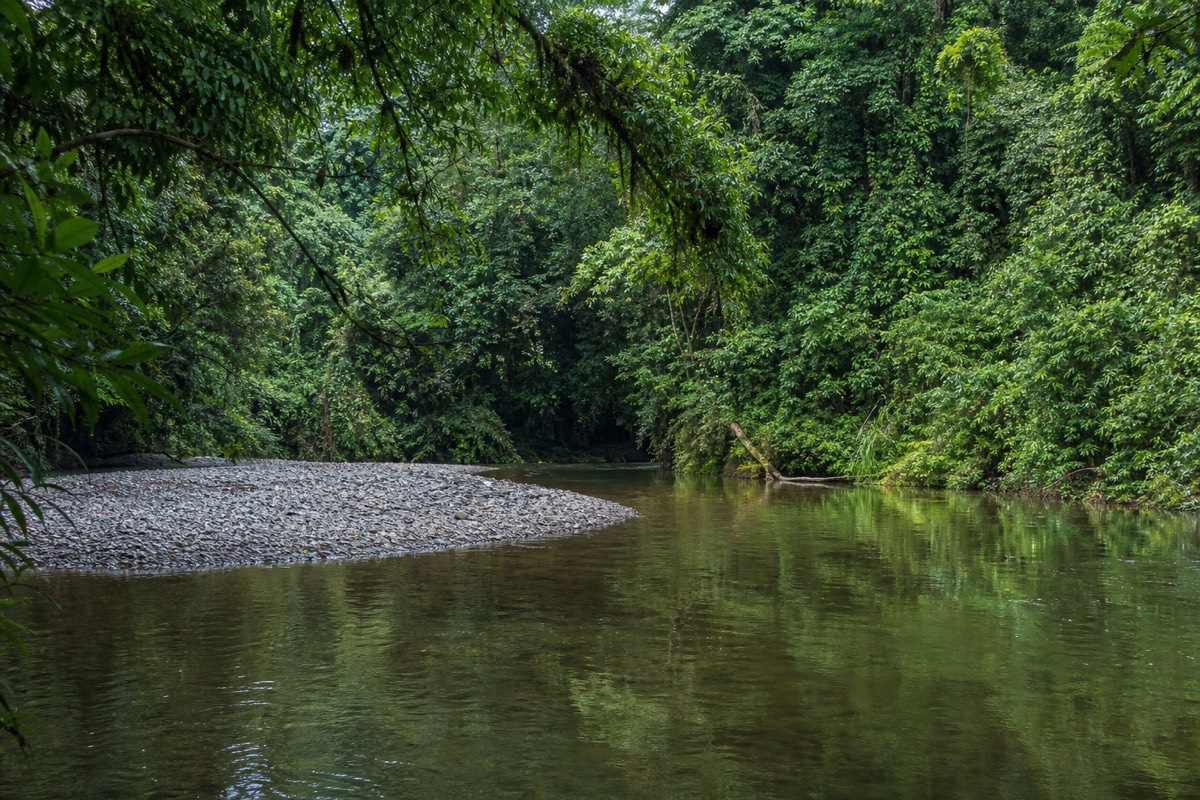
For a genuine beginner, Nosara is the standout. Guiones is a wide, sandy beach break with plenty of room and waves that are challenging enough to learn on without being intimidating, and the town's surf schools are geared to first-timers. The wellness culture and family feel make it a comfortable place to spend a week getting the basics down.
Santa Teresa is where surf gets serious while staying welcoming. Its break is stronger and more consistent, a real draw for surfers looking to push their level, and there are still beginner-friendly stretches and lessons on offer. Samara sits at the mellow end: its protected bay means smaller, softer waves, fine for a gentle introduction or a casual longboard session but not the place to chase progression. Match the town to your surfing honestly, and the peninsula rewards you; pick the wrong one and you will either be over your head or bored.
What is the yoga and wellness scene like?
Wellness is a defining feature of this coast, and Nosara leads it. The town is one of Costa Rica's best-known yoga destinations, thick with studios, teacher trainings and multi-day retreats set in the jungle. Santa Teresa has a busy wellness scene too, woven into its boho beach culture, while Samara keeps things low-key with a few casual classes.
Nosara built its modern identity around yoga. Long-running institutes and a steady calendar of retreats and trainings draw practitioners from around the world, and the quiet, forested setting suits early-morning practice and slow, healthy days. If a dedicated yoga or wellness trip is the goal, this is the peninsula's clear center of gravity, often paired with beginner surf at Guiones.
Santa Teresa offers wellness with more of a social, stylish edge. Studios and retreats share the town with surf and nightlife, so you can move between a sunrise class and a sunset beach scene in the same day, which appeals to travelers who want both energy and downtime. Samara has the lightest wellness footprint, with the odd beachfront class and a naturally restful pace rather than a full retreat industry. Across all three, the Blue Zone longevity association adds a layer of appeal for wellness-minded visitors, though it is best taken as regional color rather than a promise attached to any single town.
Town by town: comparison and best time to visit
The quickest way to choose is by vibe, surf level and access. Santa Teresa suits surf-and-scene travelers who accept rough roads, Nosara suits wellness seekers and families wanting gentle surf, and Samara suits anyone prioritizing calm, swimmable water and easy access. For beach weather, the December-to-April dry season is the most reliable across all three.
Timing follows the Pacific pattern. The dry season, roughly December through April and peaking in the first months of the year, brings the most dependable sun and the classic dusty-road, blue-sky Nicoya experience, though it is also the busiest and priciest window. The green season from about May to November delivers bigger surf, greener landscapes, thinner crowds and lower prices, with rain that usually arrives in the afternoon and leaves the mornings clear. Surfers often prefer the shoulder and green months for the swell.
| Town | Vibe | Surf level | Best for | Access |
|---|---|---|---|---|
| Santa Teresa | Surf, bohemian, upscale-boho | Intermediate to advanced, learners welcome | Surfers and a lively, stylish scene | Hardest, dusty unpaved roads |
| Nosara | Yoga, wellness, family, leafy and quiet | Beginner-friendly at Playa Guiones | Wellness trips, learning to surf, families | Rough in parts, spread through jungle |
| Samara | Mellow, calm, unpretentious | Gentle, small waves in a protected bay | Swimming, families, an easy pace | Easiest, mostly paved road in |
Use the table as a matchmaker rather than a ranking. There is no best Nicoya town, only the right one for how you travel: choose Santa Teresa for surf and scene, Nosara for wellness and learning, Samara for calm and swimming. Whichever you pick, plan the drive in as part of the adventure and expect the last stretch to be slow.
How remote are these towns, and which tour reaches them?
These towns are genuinely remote, reached by long drives that often end on rough, unpaved roads, and sometimes by a ferry crossing of the Gulf of Nicoya. Of the packages here, only the Costa Rica Classic 12-Day Tour by One Life Adventures reaches this coast, stopping at Santa Teresa on its Nicoya leg after crossing the gulf by ferry. The others stay on the mainland Pacific.
Access is the peninsula's defining challenge. Many travelers take the ferry across the Gulf of Nicoya from Puntarenas to the Paquera side, then drive the final stretch to Santa Teresa on roads that turn dusty in the dry season and muddy in the wet. Others fly into small airstrips or grind out long drives from the San Jose or Liberia airports. However you come, the last leg tends to be slow, which is exactly what has protected these towns from over-development.
The Costa Rica Classic 12-Day Tour is the one route in our lineup that includes this coast. Its Nicoya leg crosses Paquera Bay and the Gulf of Nicoya by ferry and reaches the Santa Teresa beaches, where the itinerary offers an optional surf lesson, sunset yoga and even optional bioluminescent night kayaking, a real taste of the surf-town culture described above. Note that it visits Santa Teresa specifically, not Nosara or Samara. The Essential Costa Rica Tour with Manuel Antonio National Park does not reach the Nicoya surf towns at all; it delivers its Pacific beach time on the central coast at Manuel Antonio instead, so if the Nicoya scene is your target, the Classic is the package that touches it and the Essential is the national-parks-focused alternative. Nosara and Samara remain independent stops you would arrange on your own. Check live prices on the Classic tour's listing for current dry-season departures, which fill early.