Costa Rica National Parks: A Complete Visitor's Guide
Costa Rica protects roughly a quarter of its territory, and the hard part is not finding a national park but choosing among them. This guide compares the marquee parks a visitor actually picks between, and points to the regional guides for each one.
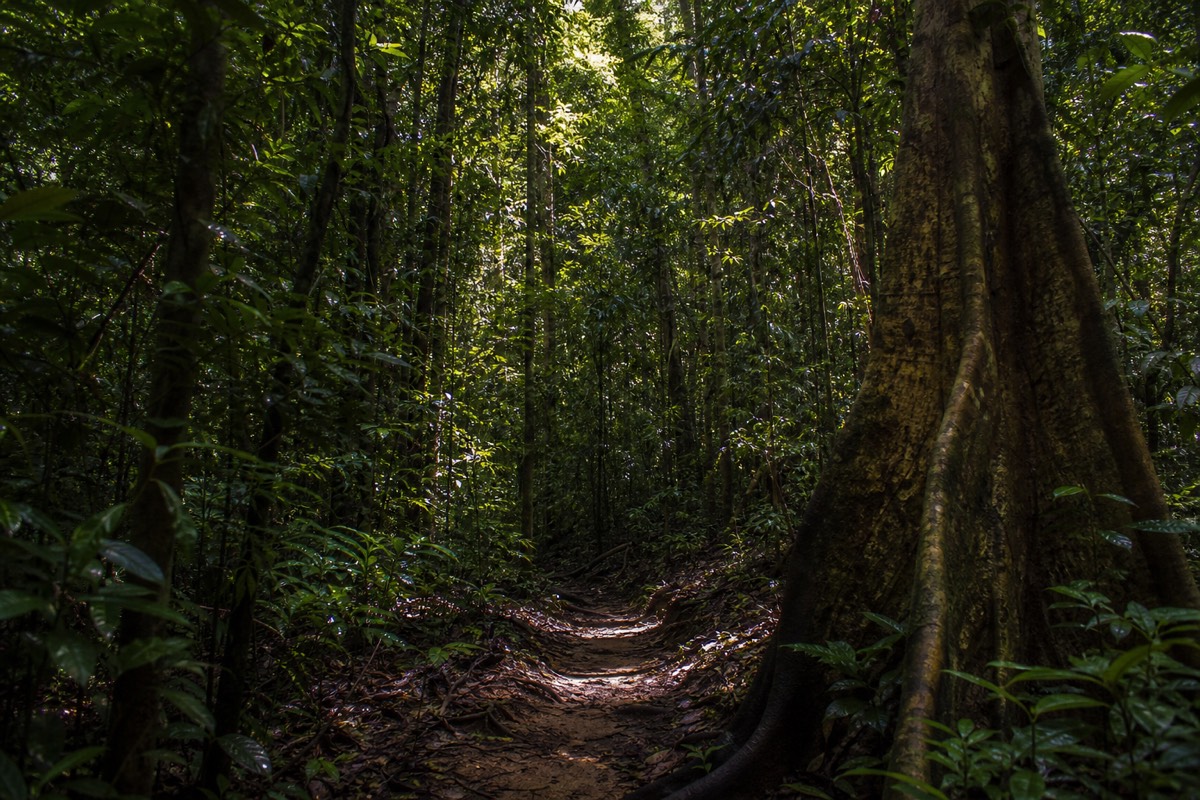
A traveler landing in Costa Rica does not lack for protected wilderness; they face the opposite problem. Dozens of national parks and reserves cover a slice of the country most nations can only envy, and no single trip touches more than a handful. So the real planning question is which parks earn a spot on your route, what each one is actually good for, and whether you should walk it with a guide or on your own. This page is the map to that decision, with the honest note that a couple of the most famous names sit outside what our own tours reach.
Quick answer: The parks most visitors choose between are Manuel Antonio, Arenal Volcano, the Monteverde cloud-forest reserves, Tortuguero, Poás, and the wilder Corcovado. Manuel Antonio and Corcovado both control access, so they need planning. Of these, our tours reach Manuel Antonio, Arenal, Monteverde, Tortuguero and Poás; none currently visits Corcovado.
The marquee parks, and which of our tours reaches each
Which tour visits which park comes directly from the six tours' own itineraries. The protected-land and biodiversity figures are the site's own widely reported homepage stats, not a fresh measurement.
How much of Costa Rica is protected, and why so many parks?
Costa Rica protects roughly 25 percent of its national territory in parks and reserves and holds about 5 percent of the planet's biodiversity, all inside a country of around 51,000 square kilometres, about the size of West Virginia. That density of protected land in a small space is why almost any route runs through several parks.
The park system has a specific origin the country is proud of. Costa Rica abolished its military in 1948 and, over the following decades, redirected that spending toward education and conservation, which the site's own history credits as the root of the national park network. The upshot for a visitor is a country that has spent seventy years treating wilderness as an asset, with gates, rangers, trails and guides built up around it.
What that means in practice is variety within short distances. A single trip can move from a volcano crater to a cloud forest to a rainforest-backed beach without leaving the protected system. It also means the parks are not interchangeable; each protects a different habitat, from Caribbean canals to Pacific dry forest, so choosing well is about matching the park to what you want to see. The official tourism board keeps current park information and any access rules at visitcostarica.com, worth a check close to your travel dates.
Which parks do most visitors actually choose between?
A first trip usually comes down to six names: Manuel Antonio for rainforest meeting the beach, Arenal Volcano for lava fields under a classic cone, the Monteverde reserves for cloud forest, Tortuguero for jungle canals and turtles, Poás for a drive-up crater, and Corcovado for raw, remote wildlife. Each protects a distinct habitat, so the choice is about what you most want to see.
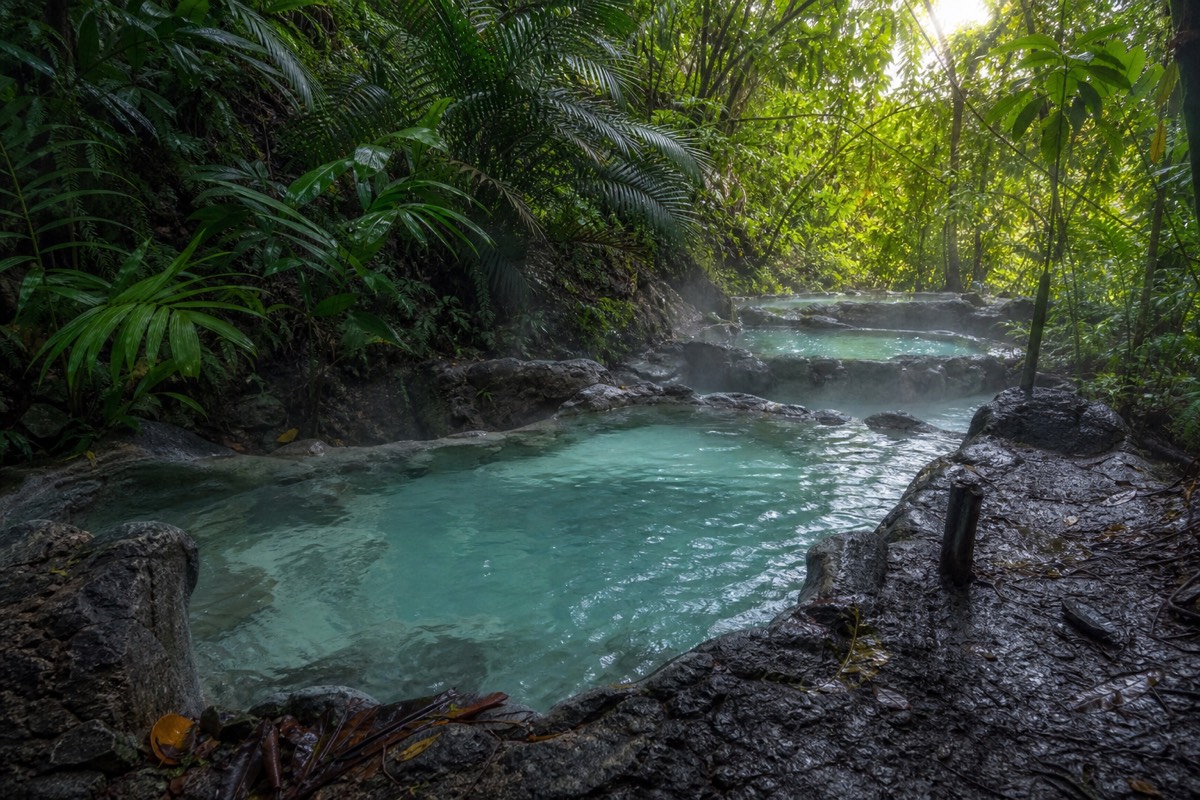
The table below lines those parks up against the two questions that matter most in planning: is it better guided or on your own, and which of our tours actually reaches it. That last column is the honest part. Arenal and Monteverde appear on every one of our six itineraries, Manuel Antonio on four of them, Tortuguero and Poás on specific routes, and Corcovado on none, which is worth knowing before you build a trip around it.
| Park | Known for | Guided or self-guided | Which of our tours reaches it |
|---|---|---|---|
| Manuel Antonio | Rainforest trails meeting Pacific beaches, four monkey species, 350+ birds | Guided pays off; timed entry and a daily cap apply | Essential, Quest, Experience, Classic 12-Day |
| Arenal Volcano | Old lava fields below a near-perfect cone | Either; guided adds the eruption history | All six tours |
| Monteverde reserves | Cloud forest, resplendent quetzals, hanging bridges | Guided strongly, for spotting and night walks | All six tours |
| Tortuguero | Jungle canals reached only by boat, nesting turtles | Guided only, by boat with a naturalist | Essential 10-day only |
| Poás Volcano | A drive-up crater rim in the Central Valley | Self-guided friendly; short, accessible | Classic 12-Day, Volcanoes 6-day |
| Corcovado | The country's wildest rainforest, on the Osa Peninsula | Guided required in practice; remote access | None of the six |
Use that grid as a filter. If a park you have your heart set on shows up in the last column against a tour that fits your dates, the decision is easy. If it is Corcovado, you will be planning that leg independently, which the section below addresses honestly.
Manuel Antonio: the park with a line at the gate
Manuel Antonio is the country's most-visited park and the one most likely to surprise you with rules. It pairs short rainforest trails with white-sand beaches, shelters four monkey species and over 350 bird species, and controls its crowds with a daily visitor cap and timed entry tickets bought in advance. It is best walked in the morning, before the afternoon beach crowds.
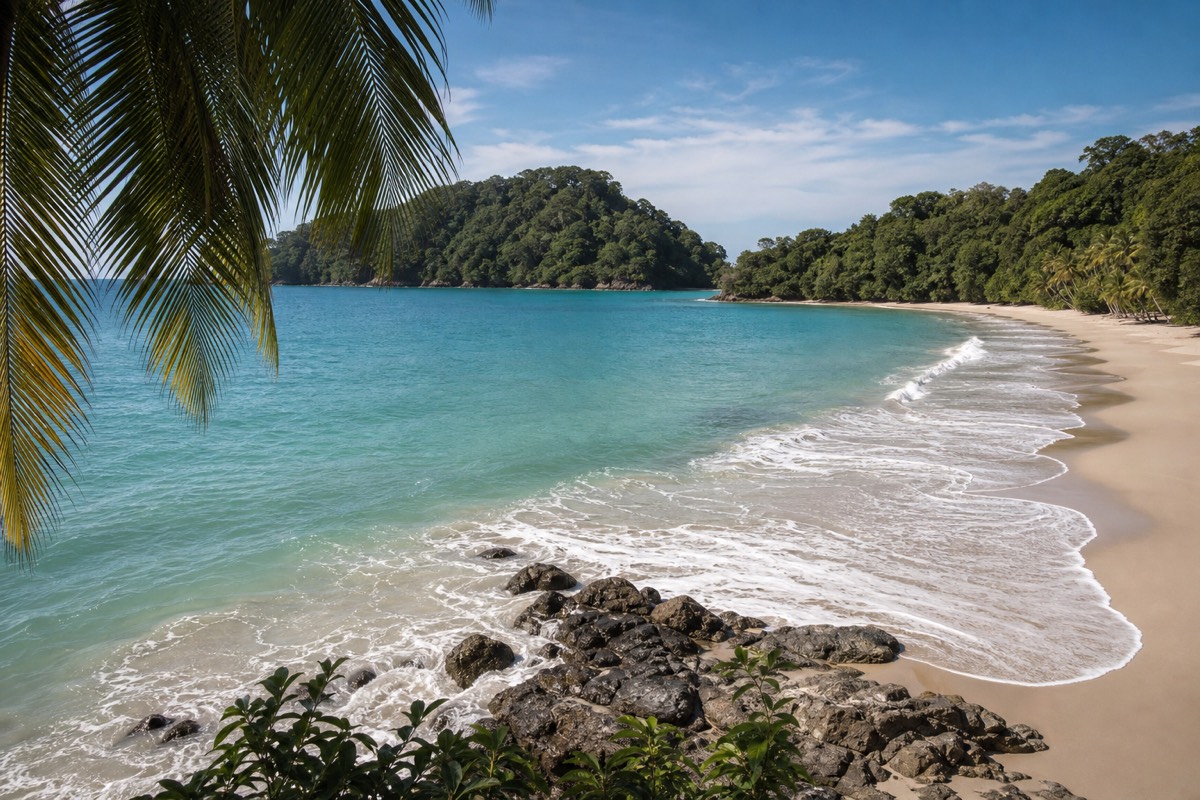
The draw is the mix. Few parks anywhere let you spot sloths, capuchins and coatis along a forest loop and then step onto a beach, and Manuel Antonio does it on a compact, walkable scale. The site's own material describes the park's two-mile loop trail and its wealth of wildlife, with naturalist guides using spotting scopes to turn a quiet path into a run of sightings. That is the argument for going guided here even though the trails are easy: the animals are camouflaged, and trained eyes find far more of them.
The access rules are the catch for independent visitors. A daily cap plus advance timed tickets means you cannot simply turn up at any hour, and one of our tours notes the park is closed to the public on Tuesdays, with the itinerary shifting if the visit would fall on that day. Four of our six routes, the Essential, Quest, Experience and Classic 12-Day tours, include Manuel Antonio with the entry and the guiding already arranged, which sidesteps the ticketing puzzle entirely.
Arenal, Poás and the Central Valley volcanoes
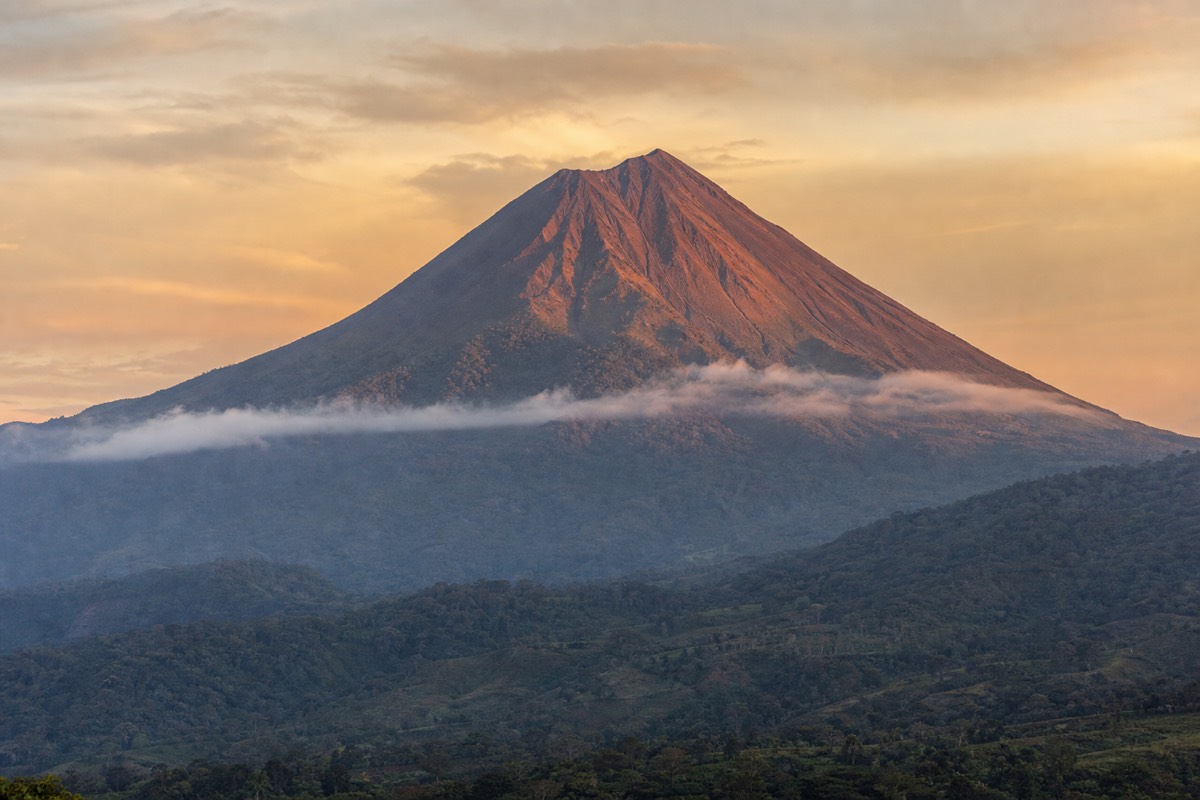
Arenal Volcano National Park protects the lava fields of a classic cone that was highly active from 1968 to 2010 and last erupted significantly in 2010, now in a resting phase. Poás, in the Central Valley near San José, offers a rare drive-up crater you can reach with little effort. Both are volcano parks, but they ask very different amounts of you.
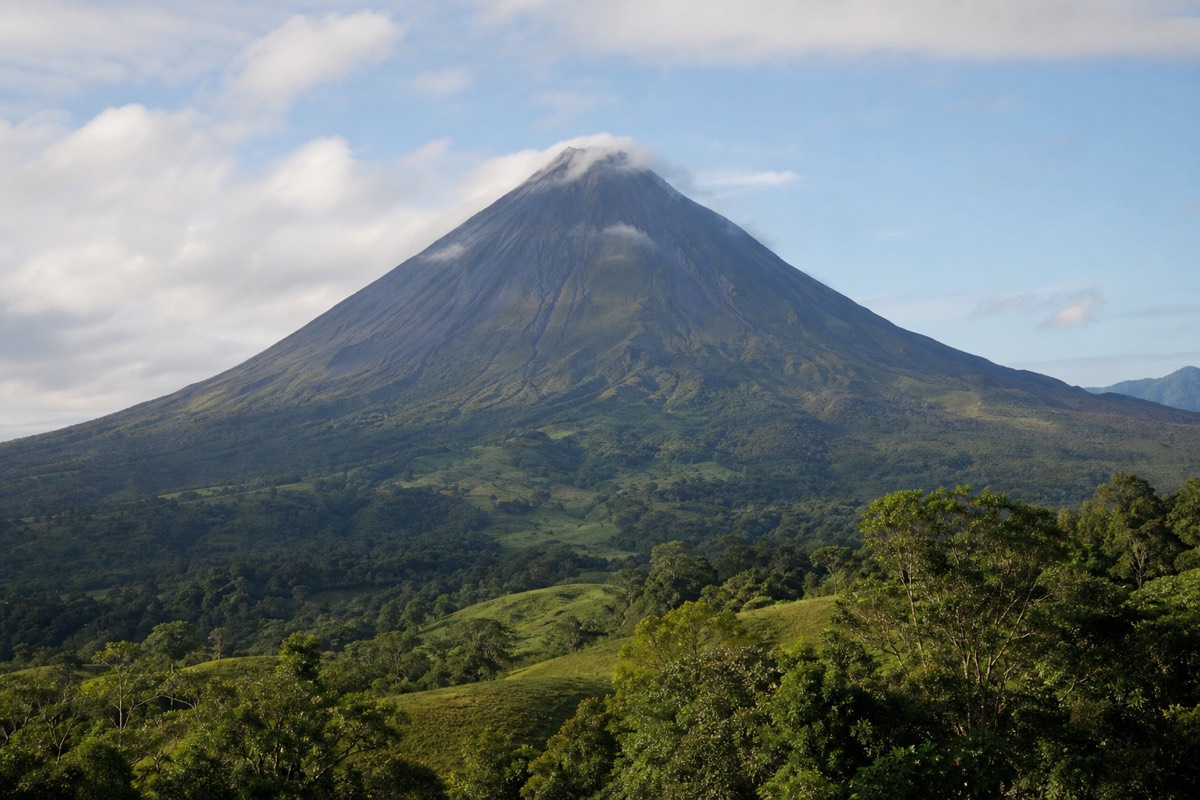
Arenal is on every one of our tours, and for good reason. You walk trails across old lava flows below the cone, with a guide able to read the tectonic history in the landscape, though the summit is frequently cloud-covered and the honest expectation is that it will not always be clear. The wider La Fortuna area around the park adds hot springs fed by the volcano's geothermal heat, which is why the region anchors so many itineraries.
Poás is the easy one. A short, accessible walk brings you to the crater rim, making it one of the few marquee volcano experiences that does not demand a hard hike, and it pairs naturally with the coffee country of the Central Valley. It sits on two of our routes, the Costa Rica Classic 12-Day and the 6-day Volcanoes, Cloud Forests and Zip-Lines Adventure. Irazú, another Central Valley volcano park near San José, is a common independent day trip for travelers who want a second crater; our tours focus on Poás and Arenal rather than Irazú, so treat Irazú as an add-on to arrange yourself and check its current access before you go.
Monteverde: cloud forest you should not do alone
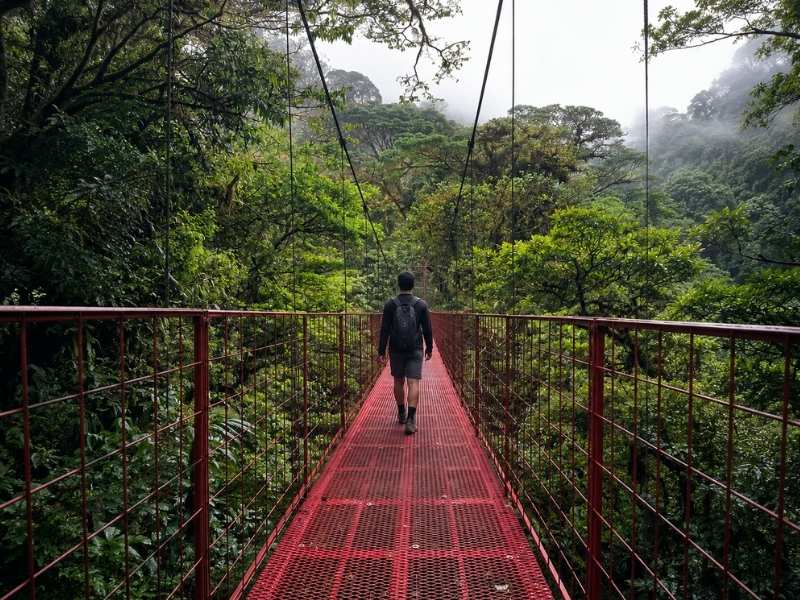
The Monteverde reserves protect high-elevation cloud forest, sitting around 1,200 metres, where mist, hanging bridges and the resplendent quetzal define the experience. This is the park habitat where a guide matters most, because so much of the wildlife is small, still and camouflaged, and because the night walks reveal a different cast of animals entirely.
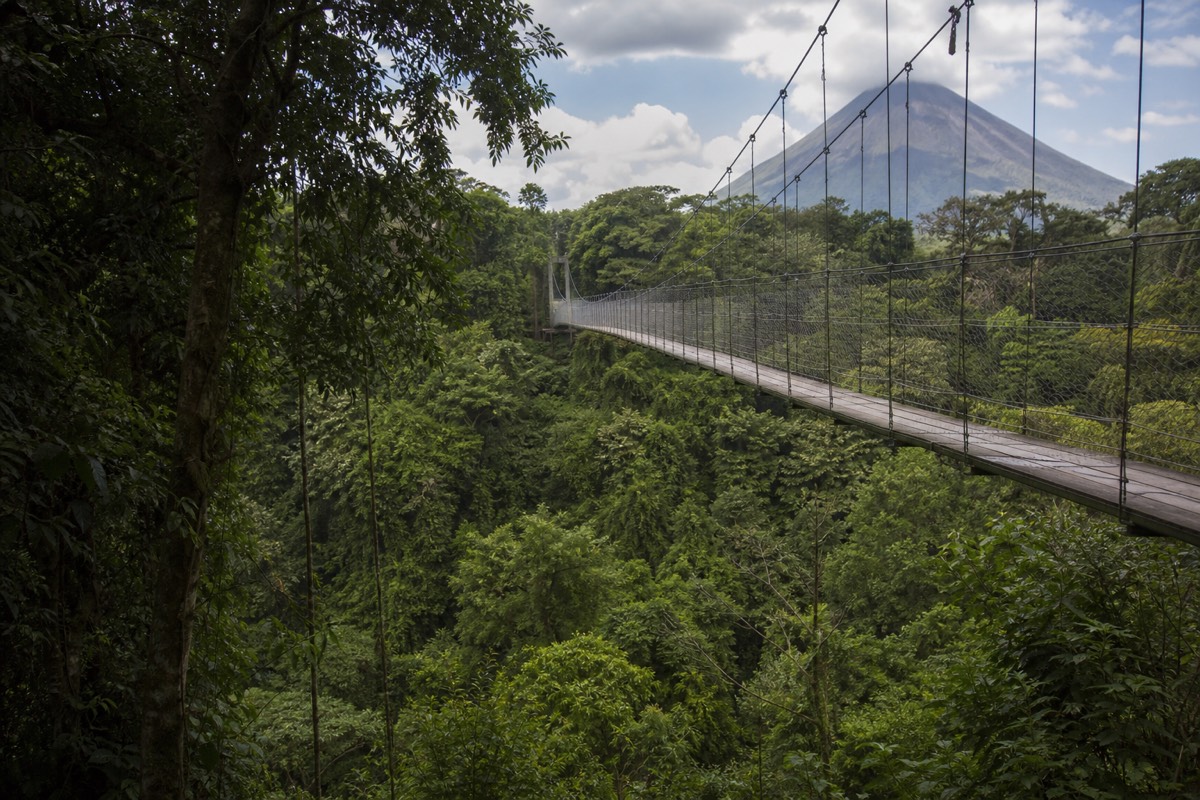
Cloud forest is a subtler spectacle than a volcano or a beach. The reward is in the detail: a quetzal's tail against green, a glass frog on a leaf, a sloth barely distinguishable from the branch it hangs on. The site's guidance is blunt that naturalist guides dramatically outperform independent spotting here, and that the morning hanging-bridge walk and the guided night tour are both worth doing because neither substitutes for the other. Going alone, most visitors simply miss the majority of what is around them.
Every one of our six tours includes Monteverde, which tells you how central it is to a first trip. Depending on the route, the visit can fold in a guided cloud-forest walk, the suspended hanging bridges, an included canopy zip-line, or a night walk in search of kinkajous, frogs and tarantulas. Reaching the reserves is also part of why a 4WD or a guided transfer matters, since the approach road is one of the unpaved stretches that gives self-drivers trouble.
Tortuguero and Corcovado: the wild, hard-to-reach parks
Tortuguero and Corcovado are the country's wilder headline parks, and both trade easy access for exceptional wildlife. Tortuguero, on the Caribbean, has no road at all and is reached only by boat or small plane, its canals alive with birds, crocodiles and, in season, nesting turtles. Corcovado, on the remote Osa Peninsula, is the wildest of all, and it is not on any of our six tours.
Tortuguero is the one you can reach through this site, on the 10-day Essential Costa Rica tour. Access is by canal boat, and the reward is a dense concentration of life: guides track more than 350 protected bird species there, alongside crocodiles, iguanas, sloths and howler monkeys, with green-sea-turtle nesting watches running in the July to September window on that itinerary. The lack of a road is a feature; it keeps the place calm and self-contained, and it means the wildlife-viewing happens from the water with a naturalist rather than from a car park.
Corcovado is the honest gap. It protects the country's most intact lowland rainforest on the Osa Peninsula, it is widely regarded as the single best place for serious wildlife, and reaching it involves remote, largely unpaved access plus, in practice, a certified guide required for entry to much of the park. None of our six packages currently routes there, so if Corcovado is a must-see, plan it as a separate, independently arranged leg and verify the current guide and reservation rules before you commit. Cahuita, a smaller Caribbean park known for its coral reef and easy coastal trail, is another lovely park outside our tours' routes and similarly one to arrange on your own.
Guided or self-guided: which for the parks specifically?
For rainforest and cloud-forest parks, guided wins decisively, because the wildlife is camouflaged and a naturalist finds what you would walk past. For a drive-up crater like Poás, self-guided is fine. For access-controlled or roadless parks like Manuel Antonio, Tortuguero and Corcovado, a guided arrangement also solves the tickets, boats and permits.
The value of a guide in a wildlife park is not a nice-to-have; it is the difference between seeing animals and seeing leaves. The site's own advice states plainly that naturalist guides dramatically outperform independent wildlife-spotting, and the vivid example of a guide picking out a sloth forty metres up a tree is exactly the sort of sighting a self-guided visitor loses. In Monteverde and Manuel Antonio especially, a guide with a scope changes the day.
The other half of the value is logistics. Manuel Antonio's timed tickets and daily cap, Tortuguero's boat-only access, and Corcovado's permit-and-guide requirement are all friction that a guided visit absorbs for you. Poás, by contrast, is short and accessible enough to enjoy on your own. A sensible plan mixes the two: self-guide the easy, open parks if you like, and go guided where the wildlife is hidden or the access is gated, which describes most of the marquee list.
What about entrance fees and reservations?
Park entrance fees run in the region of $18 to $25 per adult for the popular parks, but they change, so treat any figure as a guide and check the current fee before you go. Reservations matter most at Manuel Antonio, which uses advance timed tickets and a daily cap, and at Corcovado, which requires advance arrangements. Several of our tours already include specific park fees.
The self-drive comparison on this site puts typical park entries at roughly $18 to $25 per adult, which is a reasonable planning number for the headline parks, but fees are set by the authorities and can be revised, so confirm the live amount rather than budgeting on an old figure. The same goes for any reservation system: the tourism board's site is the place to verify current rules close to your dates.
Booking a package changes the fee question in your favor. The included fees vary by tour, but the pattern is real: the Essential Costa Rica tour covers Tortuguero and Manuel Antonio entrance fees, the Costa Rica Classic 12-Day covers Poás and Manuel Antonio, and the Costa Rica Experience states its price includes all park entrance fees on its route. That means the parks on those itineraries are already paid and pre-arranged, tickets, caps and all, so you are not queuing at a gate or gambling on same-day availability. For access-controlled parks in particular, that pre-arrangement is worth as much as the fee itself.