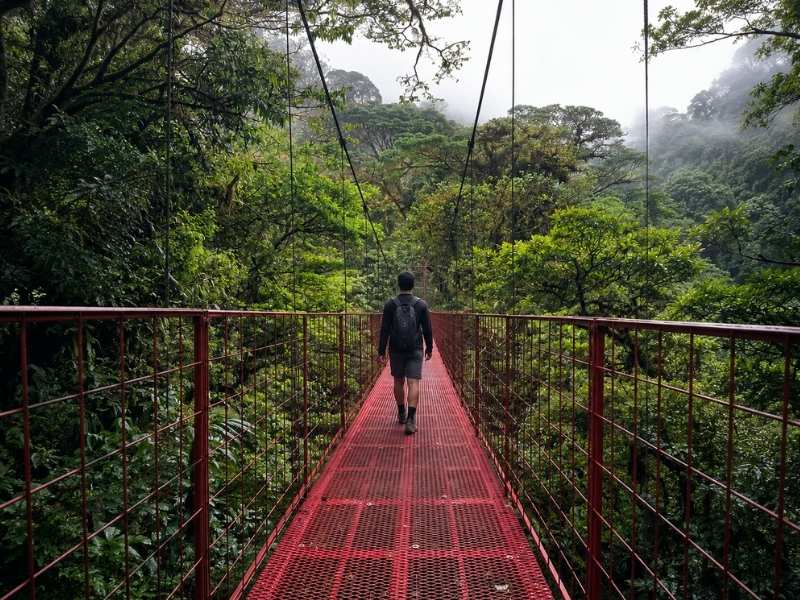
Best Time to See Sea Turtles in Tortuguero
On Tortuguero's black-sand beach, green sea turtles nest by the thousand across the second half of the year. Here is when to go, which species arrive when, and how the guided-only night watches work.
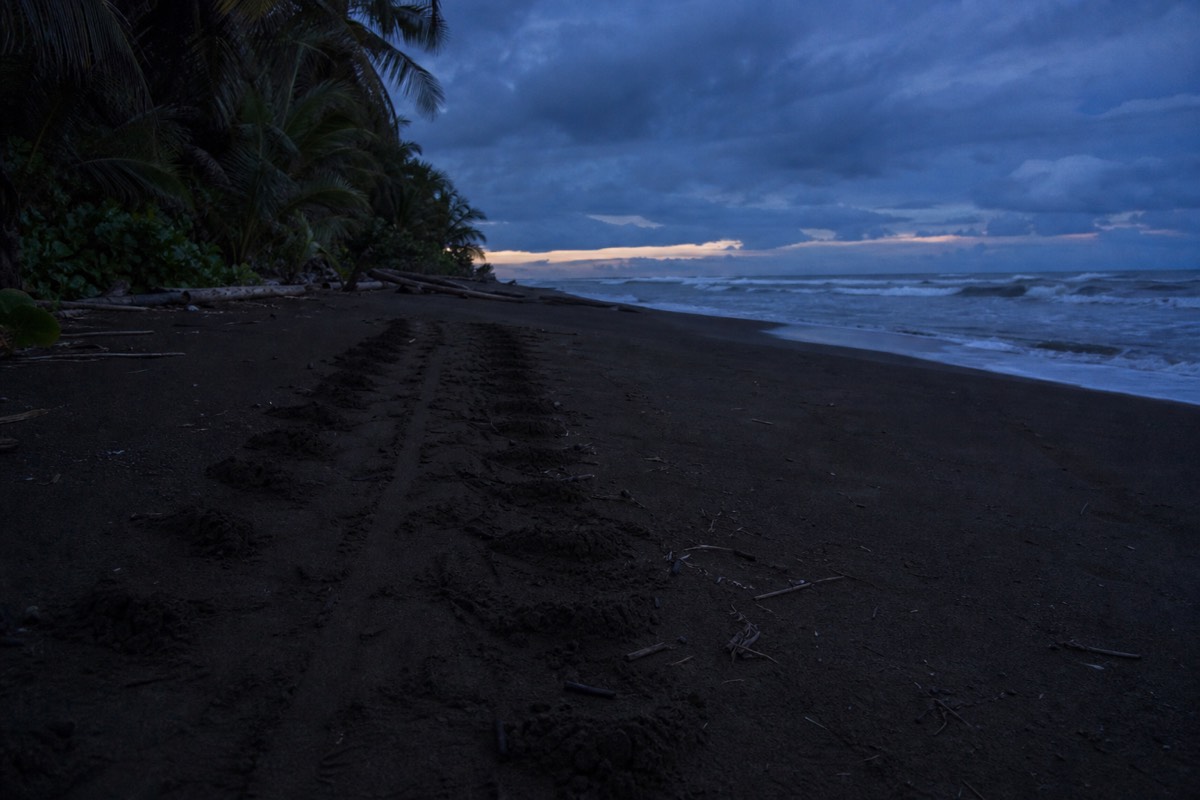
Tortuguero takes its name from the turtles, and for good reason. Across the second half of the year, green sea turtles haul themselves up the black sand at night to dig nests above the tide line, one of the Caribbean coast's great wildlife spectacles. The main nesting stretch runs broadly from July into October, with hatchlings following weeks later, which puts late summer and early autumn at the center of most travelers' plans. The window is generous, the rules are strict, and every nesting watch is guided.
When is the best time to see sea turtles in Tortuguero?
Green sea turtle nesting at Tortuguero peaks broadly from July through October, with hatchlings emerging in the same stretch and into the season's tail. Costa Rica's tourism board frames turtle nesting on both coasts as a July-to-October event, so late summer through early autumn is the safest window to aim for on the Caribbean side.
No single night is ever guaranteed, because wild animals keep their own schedule, but the odds climb steeply inside that window. Females come ashore after dark, dig, lay and return to the sea, and the eggs incubate in the sand before hatchlings dig out some weeks later and scramble for the water. That is why the later part of the season can offer both nesting adults and emerging young. Tortuguero itself has no road access and is reached only by boat or small plane, which keeps it quiet and self-contained. For current-year timing, check Costa Rica's official tourism board before you lock in dates, since the pattern shifts a little year to year.
Which turtle species nest, and when?
Green turtles are the headline species and the reason the July-to-October window matters most. Leatherbacks, the giants, are widely documented nesting earlier in the year, broadly February to April on the Caribbean side, while hawksbills overlap the green season. Species and exact timing move year to year, so treat these as general patterns rather than a fixed calendar.
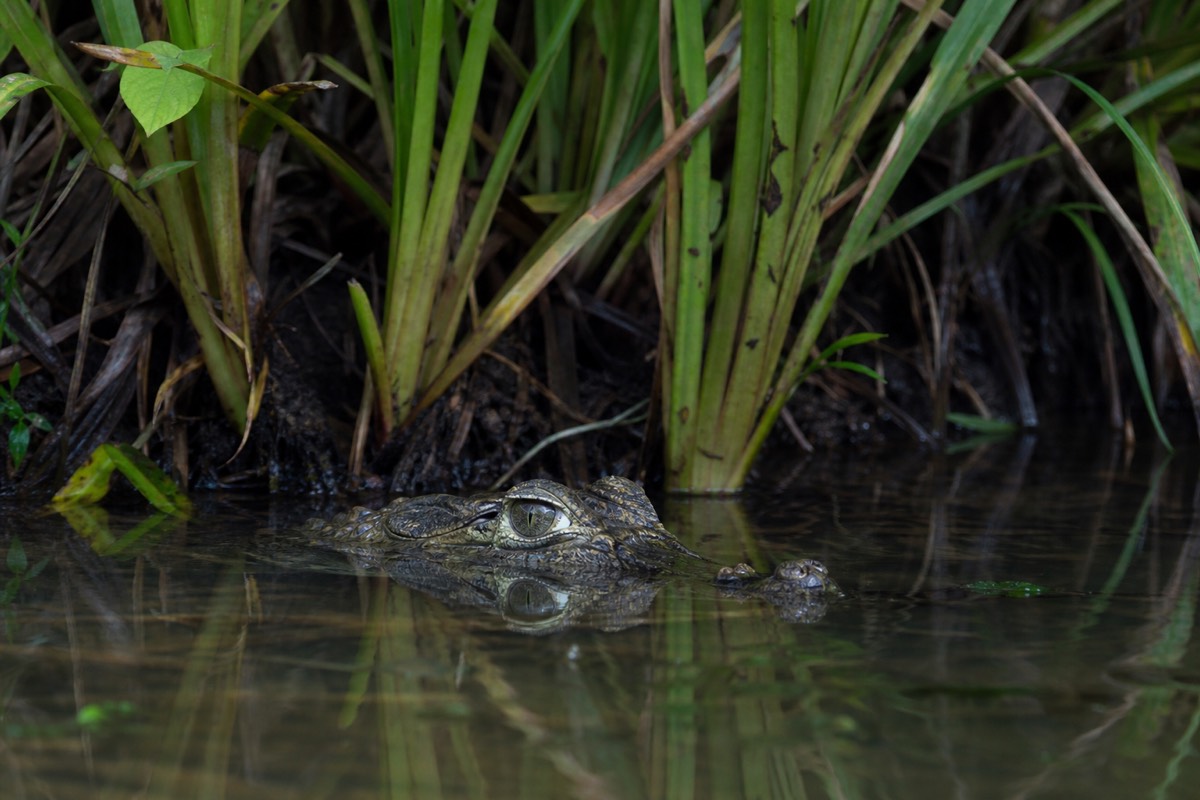
The green turtle is the one Tortuguero is famous for, arriving in the greatest numbers across those late-summer months. Leatherbacks are a different experience: the largest sea turtle on Earth, they come ashore earlier in the year in smaller numbers, so a February or March visit trades the green-turtle crowds for a shot at something rarer and enormous. Hawksbills, smaller and more elusive, can turn up during the green season too. One point of confusion worth clearing up: Tortuguero is Caribbean, and the famous mass arrivals of olive ridley turtles happen on the Pacific side of the country, at different beaches on a different schedule, so do not plan a Tortuguero trip around those.
What is a Tortuguero nesting watch actually like?
Nesting watches run only at night, only with a licensed guide, and only in small groups on a set schedule, because a nesting turtle spooks easily. There are no white flashlights, no flash photography, and no touching. Guides use dim red light and hold the group back until the turtle is committed to laying. It is dark, quiet and genuinely moving.
Expect patience rather than a parade. Guides walk a stretch of beach or wait for a spotter's signal, then bring the group in low and slow to watch a female dig her nest and lay her clutch, often around a hundred eggs, before she covers them and drags herself back to the surf. Bright light disorients turtles and hatchlings, so phones stay dark and cameras stay off. Group sizes and access are controlled to protect the animals, which is exactly why you book a guided tour that works within the park's system rather than trying to wander the beach alone. Done right, it is one of those wildlife encounters that stays with people for years.
Will turtle season mean a washed-out trip?
Not on the Caribbean side. Tortuguero runs on a different rain rhythm than the Pacific, and its drier, calmer spell tends to fall around September and October, exactly when green-turtle nesting and the first hatchlings overlap. While the Pacific coast is at its wettest, the turtle coast often hands you some of its better weather.
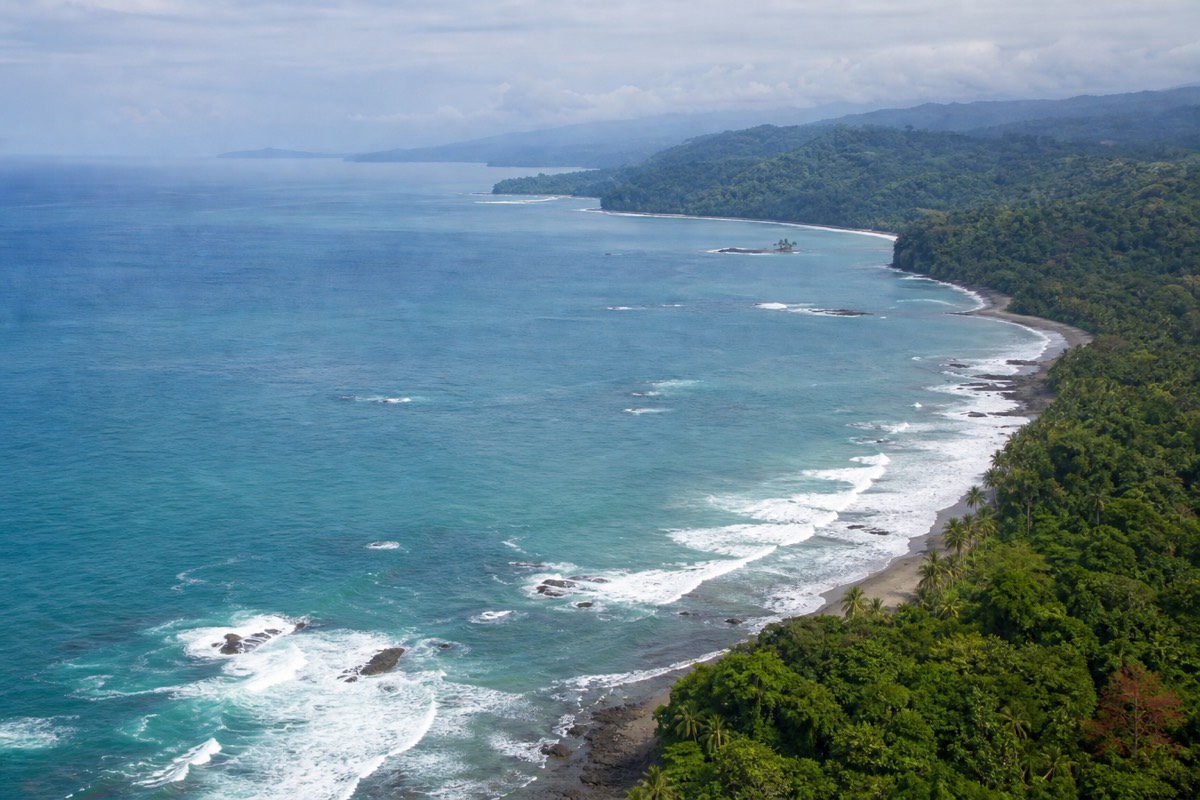
This is the quiet advantage of the timing. Much of the country is in its green season during those months, yet the Caribbean lowlands frequently see a relative lull in the rain right as the turtles are most active. It is a general pattern, not a promise, so still pack a rain jacket and a dry bag for the boat rides through the canals. The humidity is high and the rainforest is thick either way, but the weather tradeoff that scares people off green-season travel is far gentler here than it is on the Pacific in the same weeks.
How do you book a Tortuguero turtle tour?
Because access is by boat or small plane and nesting watches run on limited, permit-controlled slots, book ahead rather than hoping to walk up. The Essential Costa Rica Tour with Manuel Antonio National Park threads Tortuguero into a wider route and offers an optional green-sea-turtle nesting watch on its July-to-September departures.
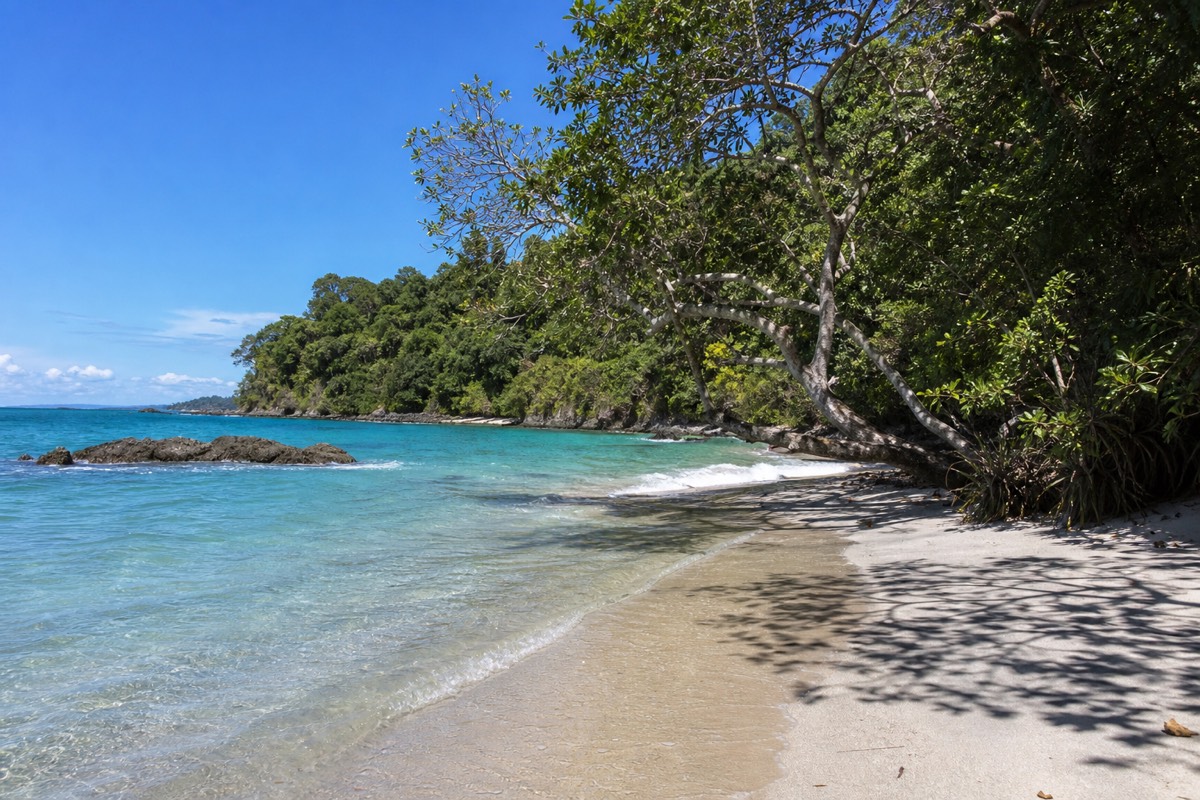
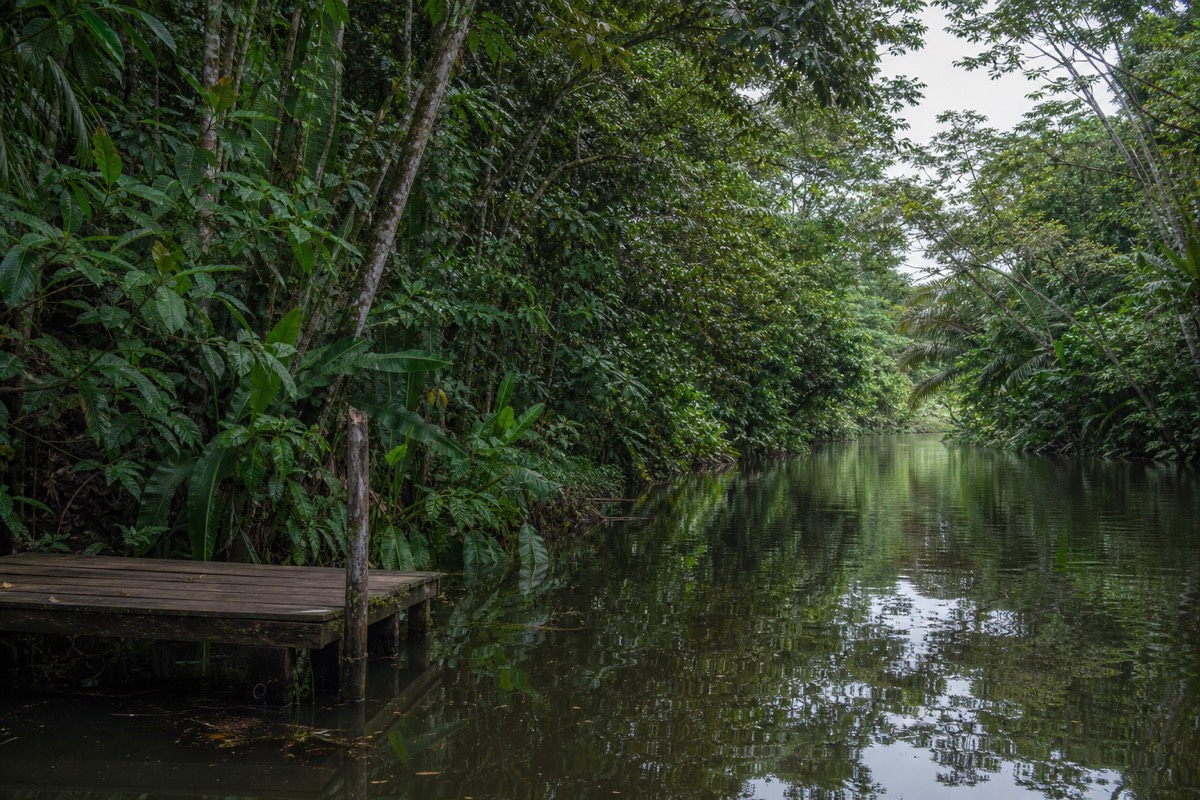
Among our tours, the Essential Costa Rica Tour is the one that actually reaches Tortuguero, arriving by canal boat and tracking crocodiles, monkeys, sloths and more than 350 protected bird species along the way, with the optional turtle nesting watch layered on during that mid-year window. If wildlife in the round is your goal more than the turtle beach specifically, the Costa Rica Classic 12-Day Tour by One Life Adventures runs a ranger-led night safari and a wildlife rescue-center stop in Sarapiqui, though its route does not include Tortuguero, so choose by whether the nesting beach itself is the point. Either way, book early: the dry-season and nesting-season slots on the Caribbean coast fill well in advance.