Is Guanacaste Worth Visiting?
Costa Rica's driest, sunniest coast is a beach lover's dream and a wildlife-first traveler's optional extra. Here is who should make room for Guanacaste and who can skip it.
Guanacaste is the part of Costa Rica people picture when they imagine wide golden beaches and near-guaranteed sun. Whether it earns a spot on your trip comes down to one honest question: are you here mainly for the beach, or mainly for wildlife? Answer that and the decision more or less makes itself.
Is Guanacaste worth visiting?
Yes, if you want reliable Pacific beaches, dependable dry-season sun and a strong surf and resort scene. Guanacaste is one of the country's driest, sunniest corners, and its beaches are among the best. It is a beach-and-resort region more than a wildlife-first one, so whether it belongs on your trip depends on your priority.
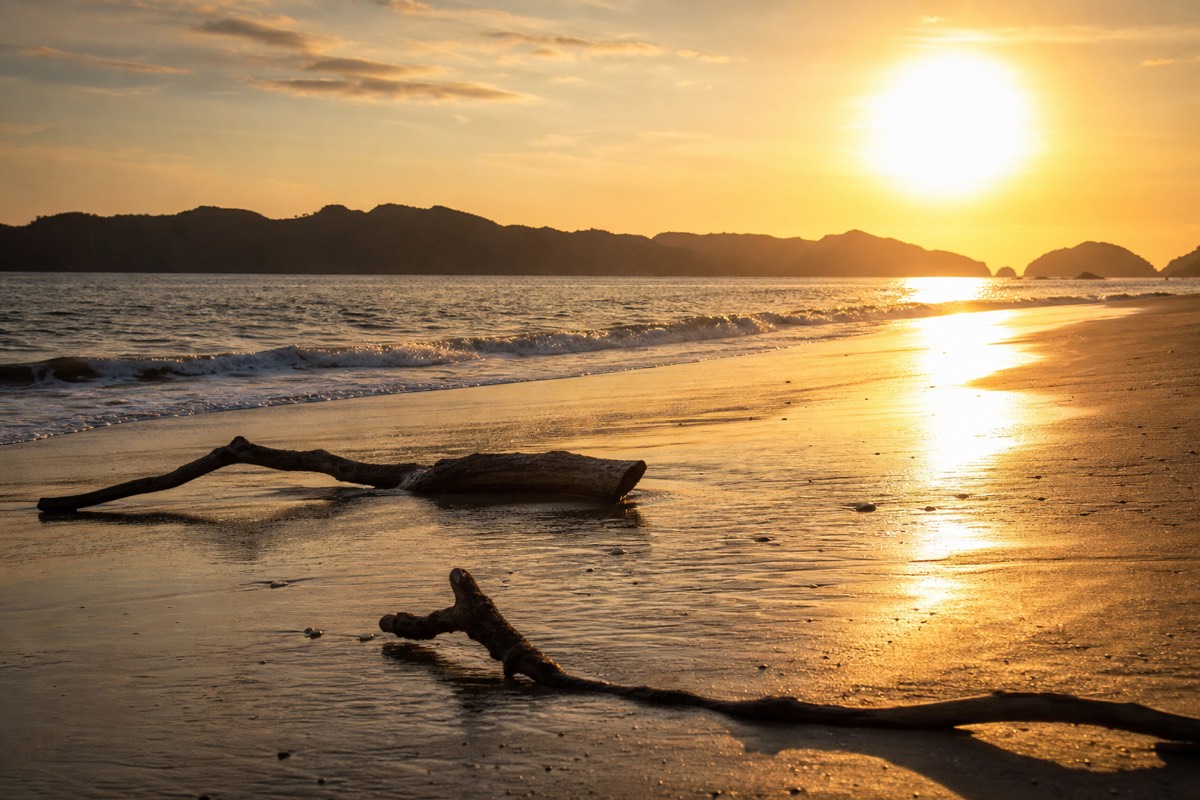
The dry season that runs December to April is at its most reliable here, which is exactly why the region fills with sun-seekers. If your dream trip is cloud forest, volcanoes and sloths, Guanacaste plays a supporting role rather than the lead. If it is sun, surf and a warm resort base to unwind between adventures, it can be the centerpiece. Neither answer is wrong; they are just different trips.
What does Guanacaste actually offer?
Guanacaste is Costa Rica's Northern Pacific coast: long beaches, warm dry-forest hills, and the country's second international gateway at Liberia. Well-known beach and resort areas such as the Papagayo peninsula, Tamarindo and the wider Nicoya Peninsula draw sun-seekers, surfers and families to some of the most dependable weather in the country.
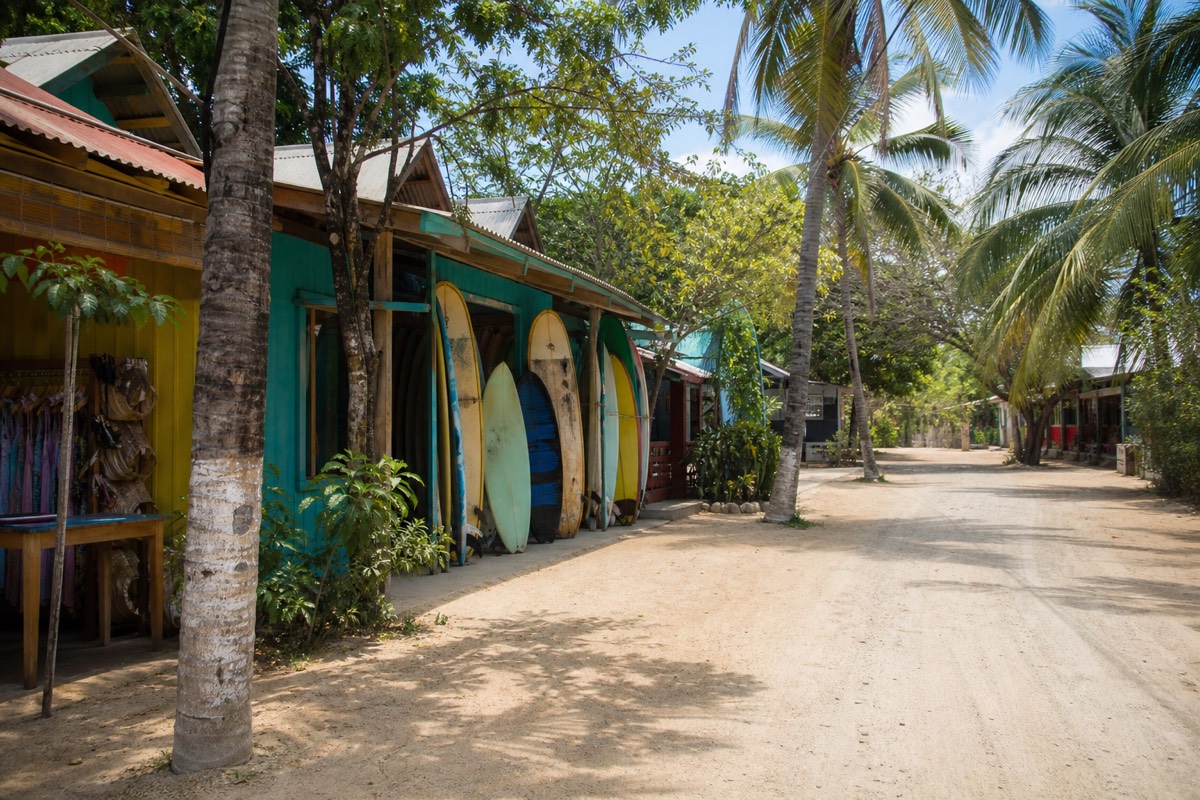
The practical advantage is the airport. Daniel Oduber Quiros International Airport in Liberia, known by its code LIR, serves the Pacific resort coast and takes direct international connections, so beach-focused travelers can skip San Jose entirely. Costa Rica's official tourism board, visitcostarica.com, groups this stretch under the Northern Pacific, its driest tourism zone. Surf towns cater to everyone from first-timers to experienced riders, and resorts and all-inclusives cluster here more than anywhere else in the country. If the goal is to plant yourself on the sand with sun you can count on, this is the coast that delivers it most consistently.
Who should prioritize Guanacaste, and who should skip it?
Prioritize Guanacaste if your trip is built around beach time, surfing, or a warm-weather resort base, especially in the December to April dry season when its sun is most reliable. Weight it lower if your heart is set on cloud forest, volcanoes and wildlife, which cluster inland around Arenal, Monteverde and Manuel Antonio.
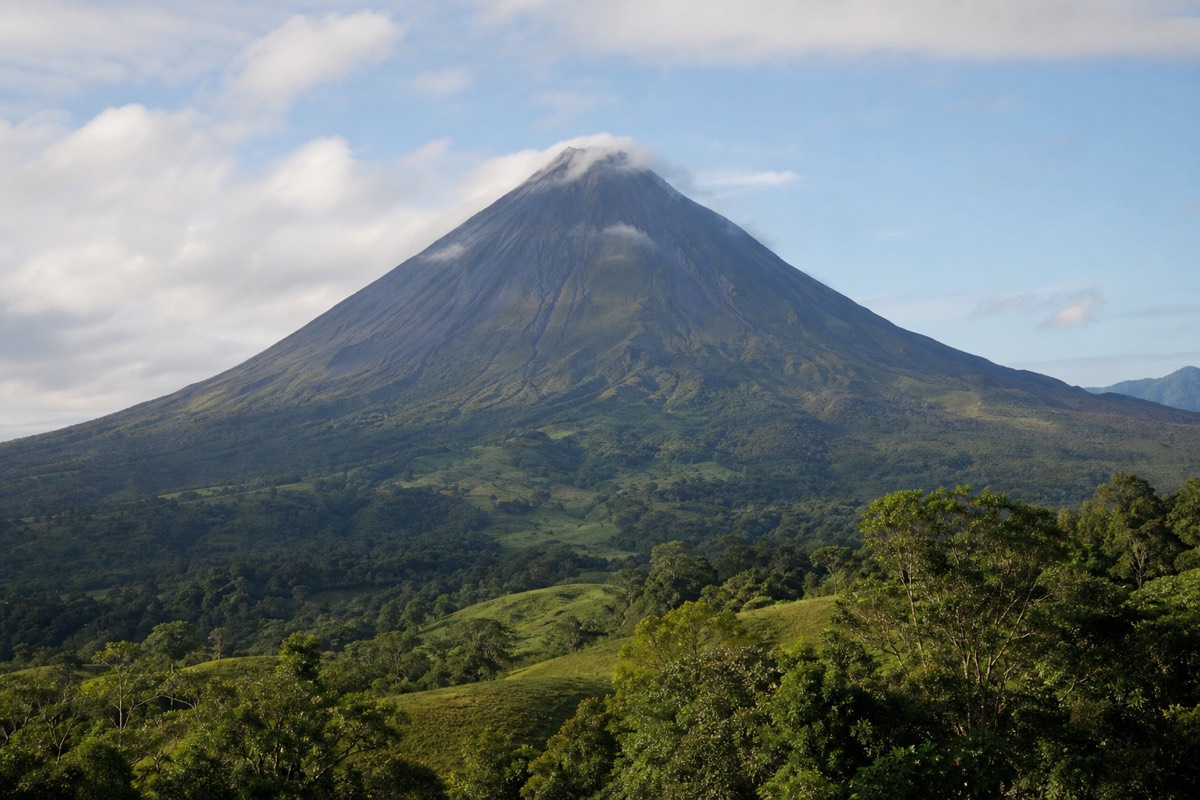
Beach, relaxation, surf, honeymoon and family-resort travelers get real value from a Guanacaste base. Wildlife-first travelers on a short trip usually get more per day from the inland circuit, where the parks and forests are denser with animals. You can combine the two, but a single week is tight to do both a proper Arenal, Monteverde and Manuel Antonio loop and a real Guanacaste beach stay without spending too much of it in the car. Be honest with yourself about which half of that you would regret missing.
Guanacaste or Manuel Antonio for beaches?
Guanacaste has the bigger, drier, more resort-driven beach scene; Manuel Antonio pairs a smaller beach with a wildlife-packed national park right behind it. For pure sun and surf, Guanacaste wins. For beach plus easy sloths and monkeys in one compact spot, Manuel Antonio is hard to beat.
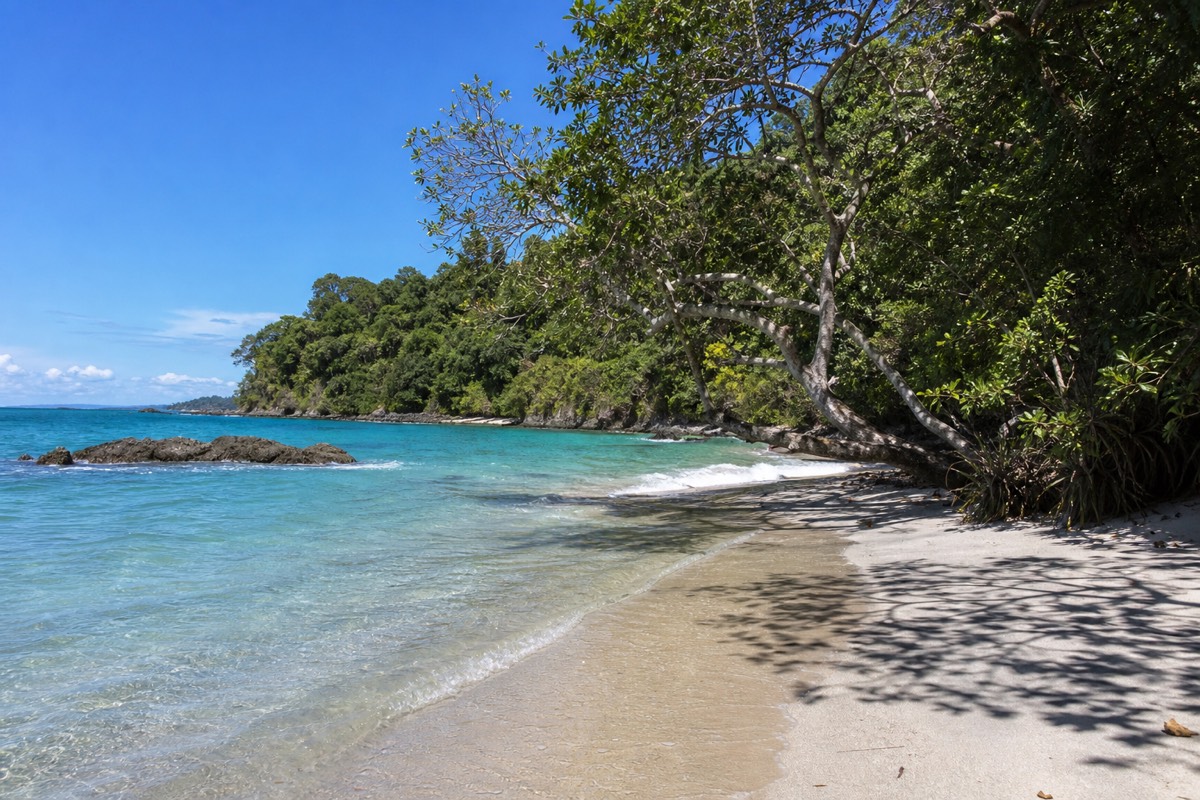
Manuel Antonio sits on the Central Pacific, greener and more humid than Guanacaste, and its park puts four monkey species, sloths and coatis minutes from the sand. It appears on four of the site's six tours, which makes it easy to reach without a dedicated beach trip. Guanacaste, by contrast, is drier, sunnier, more spread out and more built up for resorts. The table below lines up the trade-offs.
| Guanacaste (Northern Pacific) | Manuel Antonio (Central Pacific) | |
|---|---|---|
| Scene | Big beaches, surf towns, resorts | Compact beach beside a wildlife park |
| Weather | Driest, most reliable dry-season sun | Warmer, greener, more humid |
| Best for | Sun, surf, resort relaxation | Beach plus easy wildlife in one place |
| Nearest airport | Liberia (LIR) | San Jose (SJO), then transfer |
| On the site's tours | Nicoya beaches on the Classic 12-Day | Four of six tours, including the Essential |
How does Guanacaste fit a volcano-and-wildlife tour?
Most of the site's tours center on the inland wildlife circuit, not the Guanacaste resort coast. The Costa Rica Classic 12-Day Tour by One Life Adventures is the one that adds real Pacific beach days on the Nicoya Peninsula at Santa Teresa, the closest the roster comes to a Guanacaste-style beach stay.
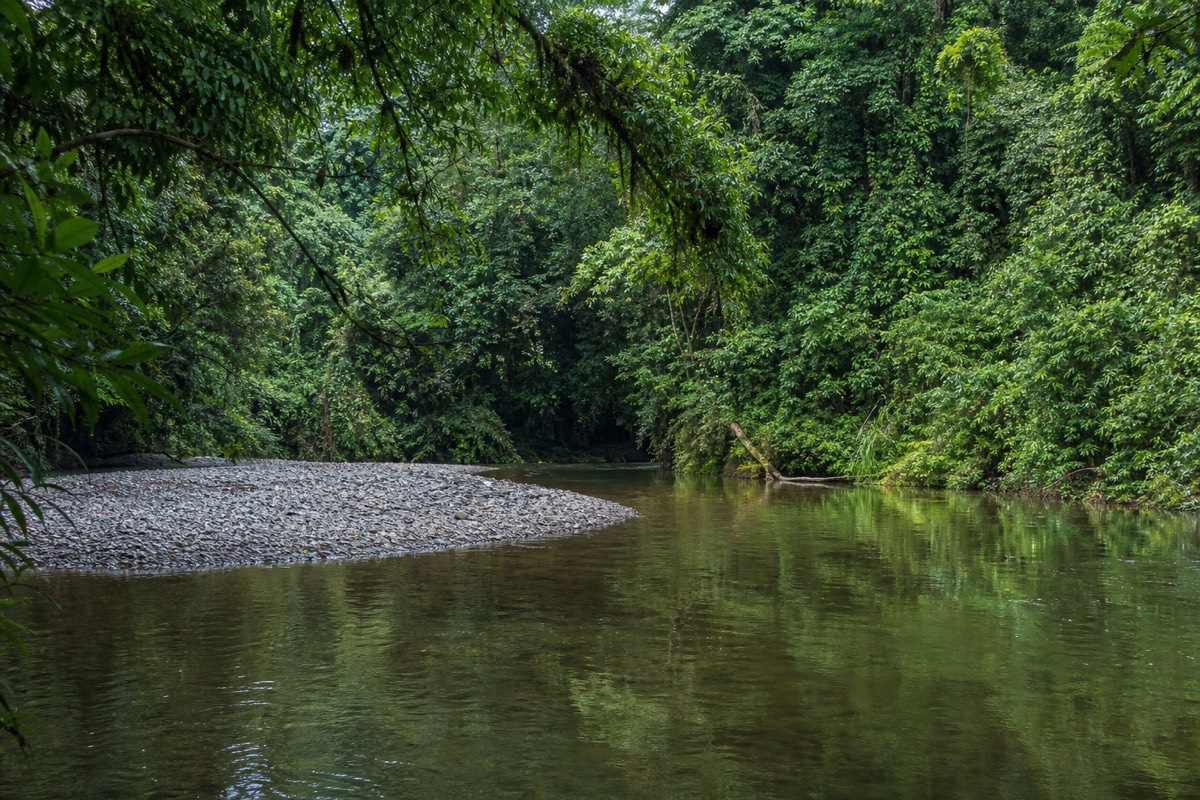
After its volcano and cloud-forest days, the Classic 12-Day reaches the Nicoya Peninsula beaches at Santa Teresa and Paquera Bay, so you get sand and surf without booking a separate beach holiday. If wildlife is the real priority and you are happy to trade the northern beaches, the Essential Costa Rica Tour with Manuel Antonio National Park runs Tortuguero, Arenal, Monteverde and Manuel Antonio, delivering its beach-and-rainforest moment at Manuel Antonio instead. Either way, check the tour listing for live dates and current pricing before you plan around it.