Costa Rica Bird Watching: Where to Go and What to See
Around 900 bird species in a country the size of West Virginia. Where to find the quetzal, the scarlet macaw and the toucans, when to go, and why a naturalist guide changes everything.
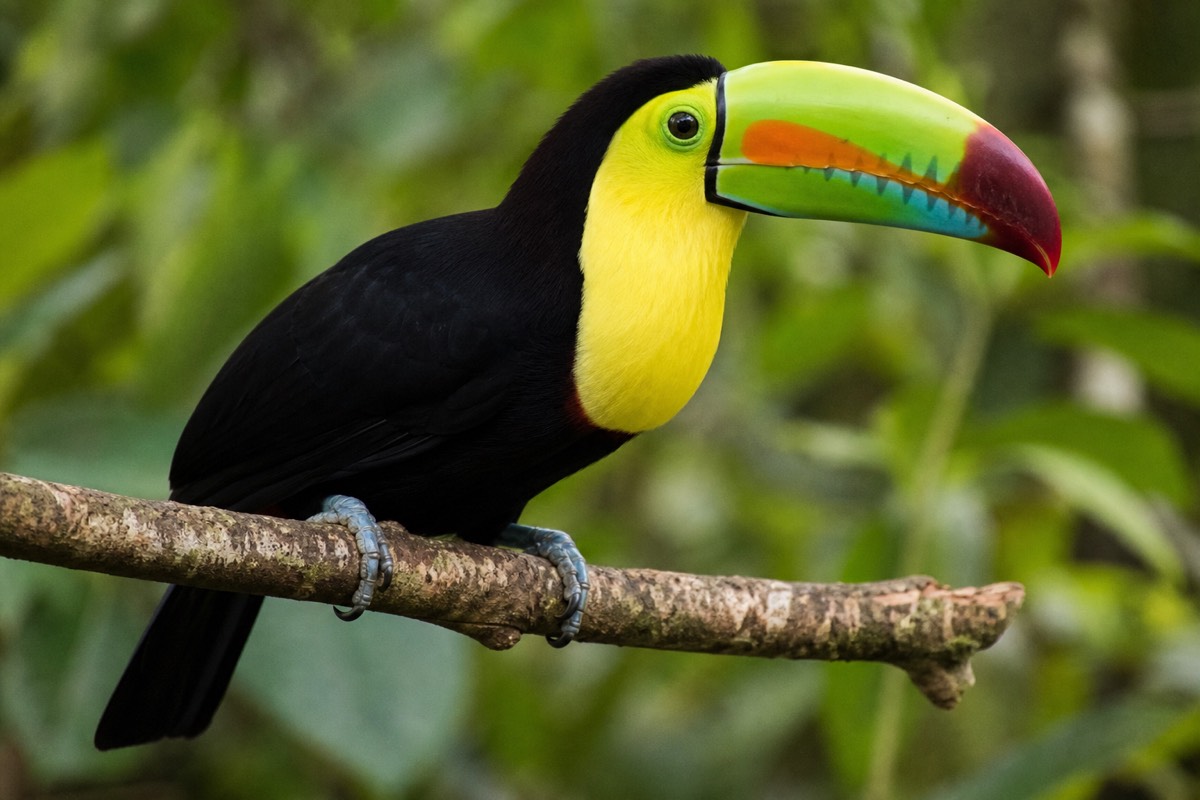
For a country you can drive across in a day, Costa Rica's bird list is almost unfair. Widely reported counts put it around 900 species, more than the United States and Canada combined, packed into a landmass the size of West Virginia. Quetzals trailing tail feathers through the cloud forest, scarlet macaws screaming over the Pacific, toucans clattering in the fruit trees: this is one of the planet's great birding destinations, and a good share of it is visible from the same trails our guided tours already walk.
Is Costa Rica good for bird watching?
Costa Rica is a world-class birding destination. Widely reported counts place around 900 bird species inside a country smaller than West Virginia, from sea-level mangroves to high cloud forest. That density, spread across many habitats within short driving distances, lets a single trip build a bird list that would take far longer to assemble almost anywhere else on Earth.
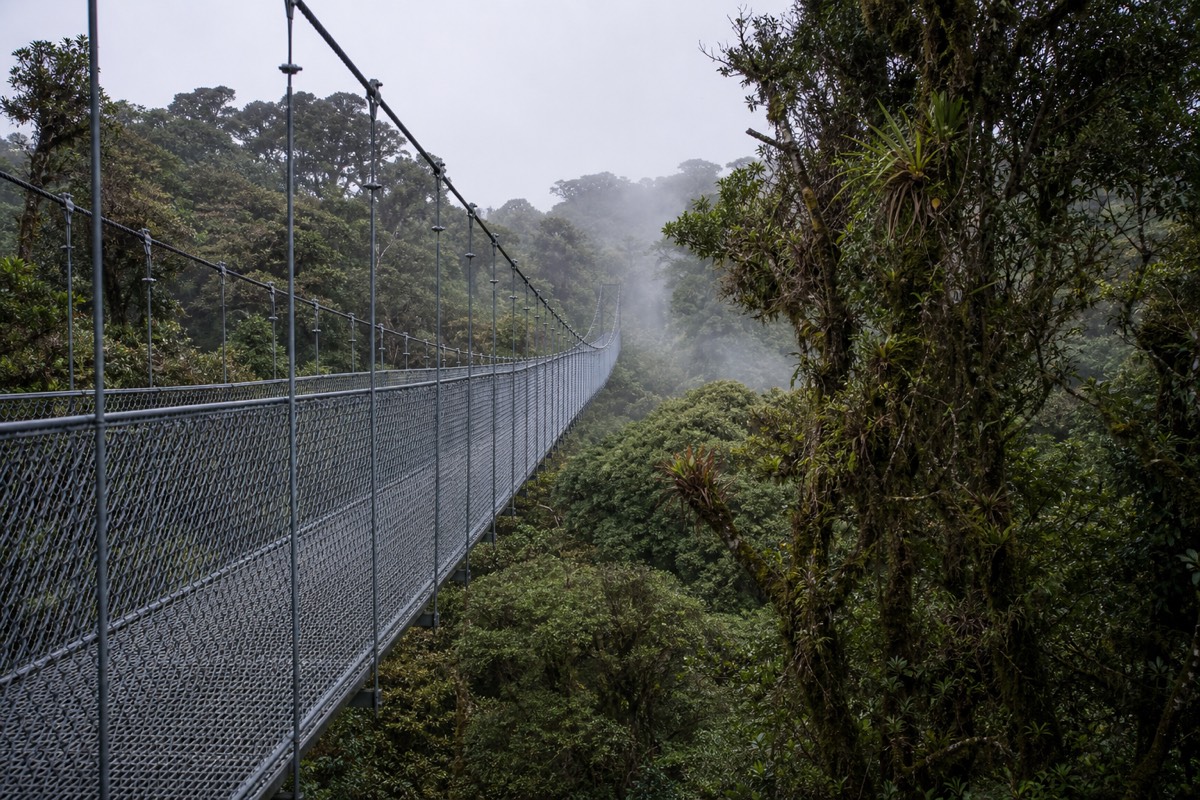
The reason is variety stacked into a small space. Lowland rainforest, cloud forest, dry forest, wetlands, mangroves and two coastlines all sit within a few hours of one another, and each holds birds the others do not. Manuel Antonio National Park alone shares its trails with more than 350 recorded bird species, and the Tortuguero canals on the Caribbean side track a similar count. You do not need to be an expert to enjoy it, either. The color and sheer number mean a first-timer with a pair of binoculars sees plenty on day one.
What birds should you hope to see?
The headliner is the resplendent quetzal, a trailing-tailed green-and-crimson bird of the cloud forest that birders cross oceans to find. Add scarlet macaws flashing over the Pacific, several species of toucan, jewel-toned motmots, dozens of hummingbirds and hundreds of tanagers, and you have a starter list that rewards a newcomer fast.
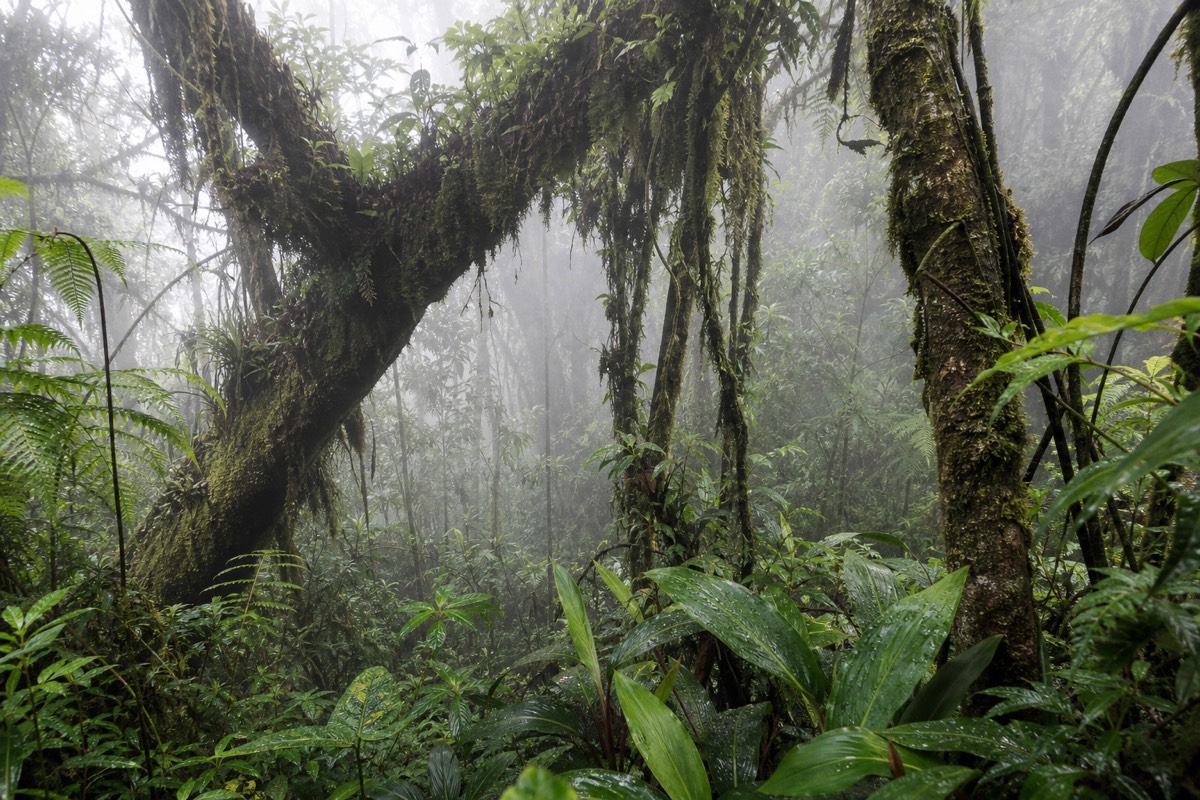
The quetzal is the one people plan trips around, and the cloud forest around Monteverde is its stage, most active in the dry-season breeding months. Scarlet macaws are the other showstopper, big and loud and unmistakable, most reliable on the central and southern Pacific. Toucans, with their outsized bills, turn up in the Arenal lowlands and along the coast, while motmots, hummingbirds and tanagers fill in the color almost everywhere you look. Specific species and their timing shift through the year, so treat any single sighting as a bonus rather than a booking. The joy of birding here is the volume: even a casual walk tends to turn up something worth stopping for.
Where do you go for which bird?
Match the bird to the region. Cloud forest around Monteverde for the quetzal, the central and southern Pacific for scarlet macaws, Caribbean wetlands like Tortuguero for herons and kingfishers, and the Manuel Antonio forests, home to over 350 recorded species, for toucans and tanagers alongside the monkeys and sloths.
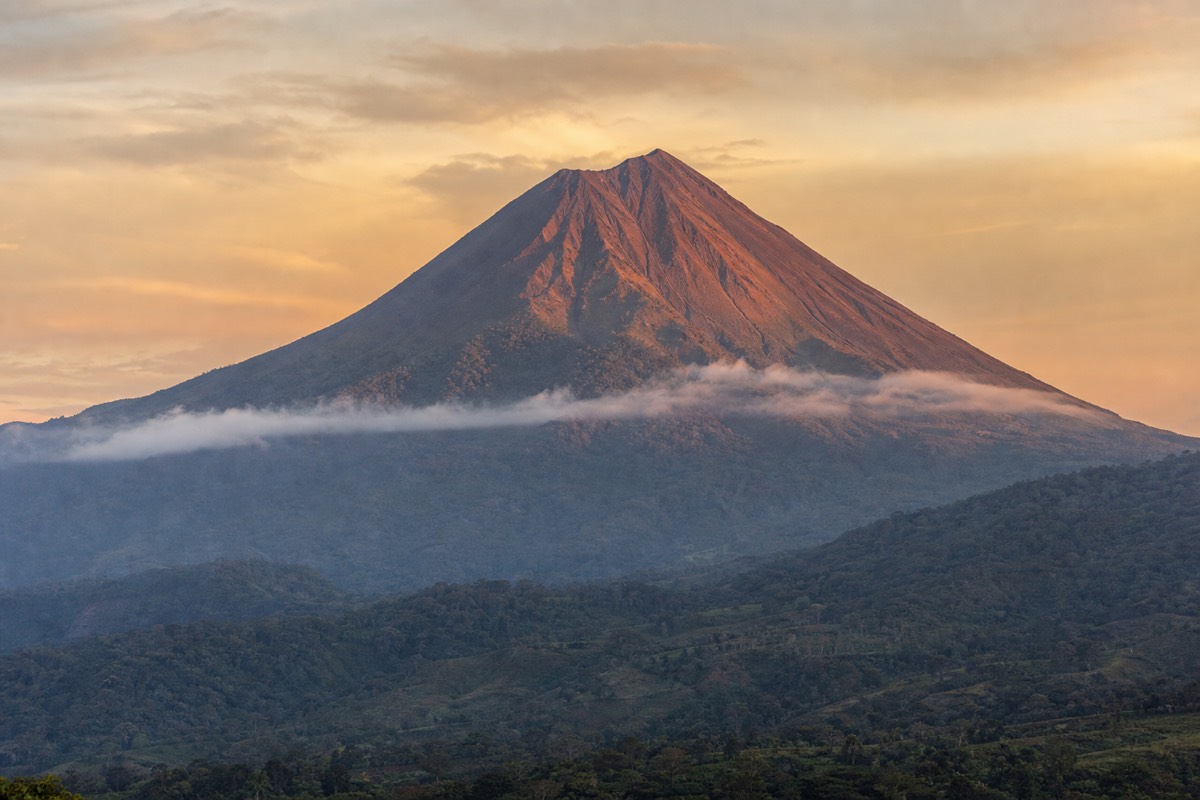
The table below lines up the marquee birds against where to look and whether our core tours pass through that habitat. A quick honesty note: scarlet macaws are best on the Osa Peninsula and around Carara on the Pacific, which sit outside the six tours' standard routes, so a macaw-focused traveler should plan a dedicated Pacific extension.
| Bird or group | Best region | On our routes |
|---|---|---|
| Resplendent quetzal | Monteverde and Santa Elena cloud forest | All six tours visit Monteverde |
| Scarlet macaw | Central and southern Pacific, Osa Peninsula, Carara | Outside the core routes; add a Pacific extension |
| Toucans | Arenal lowlands, Manuel Antonio, Caribbean slope | Arenal and Manuel Antonio on most tours |
| Motmots, tanagers, hummingbirds | Central Valley, Monteverde, Arenal gardens | Throughout the itineraries |
| Herons, kingfishers, waterbirds | Tortuguero canals, Damas Island mangroves | Tortuguero and Damas on the longer routes |
The Costa Rica Experience runs a naturalist-led walk at Manuel Antonio and a kayak through the Damas Island mangroves, which is prime waterbird territory, while every one of the tours climbs into Monteverde, where the quetzal lives. In other words, the cloud-forest headliner is on the table for anyone who books, and the wetland and lowland birds come with the regions the itineraries already cover.
When is the best time for bird watching in Costa Rica?
Aim for the dry season, roughly December to April, and be on the trail at dawn. Birds feed and sing hardest in the first two hours of light, then fall quiet in the midday heat. Dry-season mornings bring clearer skies and firmer trails, and they overlap the quetzal's most active breeding stretch in the cloud forest.
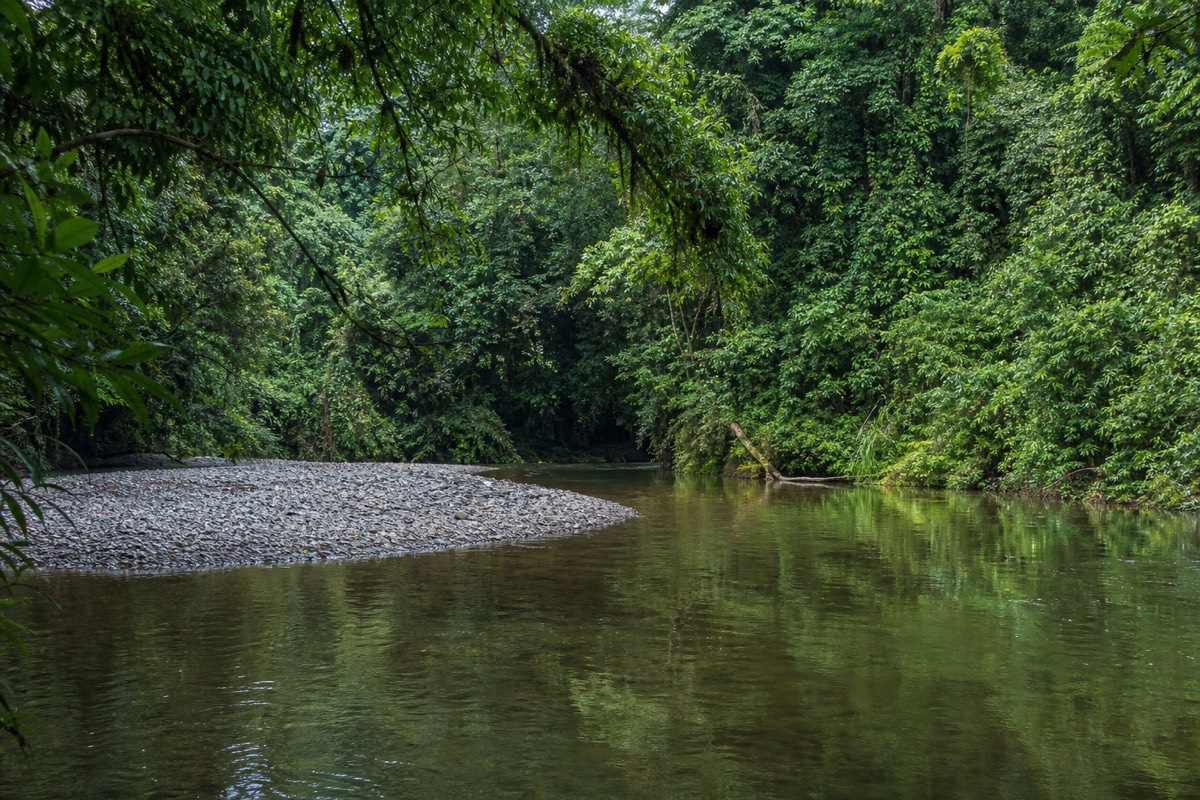
Time of day matters even more than season. The single most common first-timer mistake is sleeping in and missing the dawn window when the forest is loudest and most active. Get out early, take a second pass in the late afternoon, and skip the dead midday hours for a swim or a meal. The green season from May to November still delivers, with lush forest, fewer crowds and migrant species passing through, but you will be working around afternoon rain, so front-load your birding into the mornings. Whatever the month, pack binoculars: they are the one piece of kit that turns a distant shape into an actual bird.
Why does a naturalist guide matter for birding?
A trained naturalist finds birds you would walk straight past. They know the calls, the fruiting trees and the exact bend where the quetzal perches, and they carry a spotting scope that turns a far-off speck into a full-frame bird. On our guided tours, the naturalist-led walks are where most travelers see their first quetzal or toucan, not on a solo stroll.
Birding rewards the ear as much as the eye, and that is where a local guide pulls ahead. Where an independent visitor scans an empty-looking canopy, a naturalist hears a call, tracks it, and has the scope trained on the bird before most people have raised their binoculars. The same guides who can pick a sloth's silhouette out of a tree forty metres up do the same trick with birds all day. Our itineraries lean on this: the Costa Rica Experience puts a naturalist on the Manuel Antonio and Monteverde walks, the Costa Rica Quest runs guided cloud-forest outings, and the Costa Rica Classic adds ranger-led wildlife walks, with Manuel Antonio guides using spotting scopes to share the view. Even keen solo birders tend to see more, and understand more of what they are seeing, walking beside someone who knows the forest by sound.