Costa Rica Eco-Tourism and Sustainable Travel
Costa Rica turned conservation into a national economy. Here is what genuine sustainable travel looks like on the ground, and how to tell a real eco-tour from a green logo.
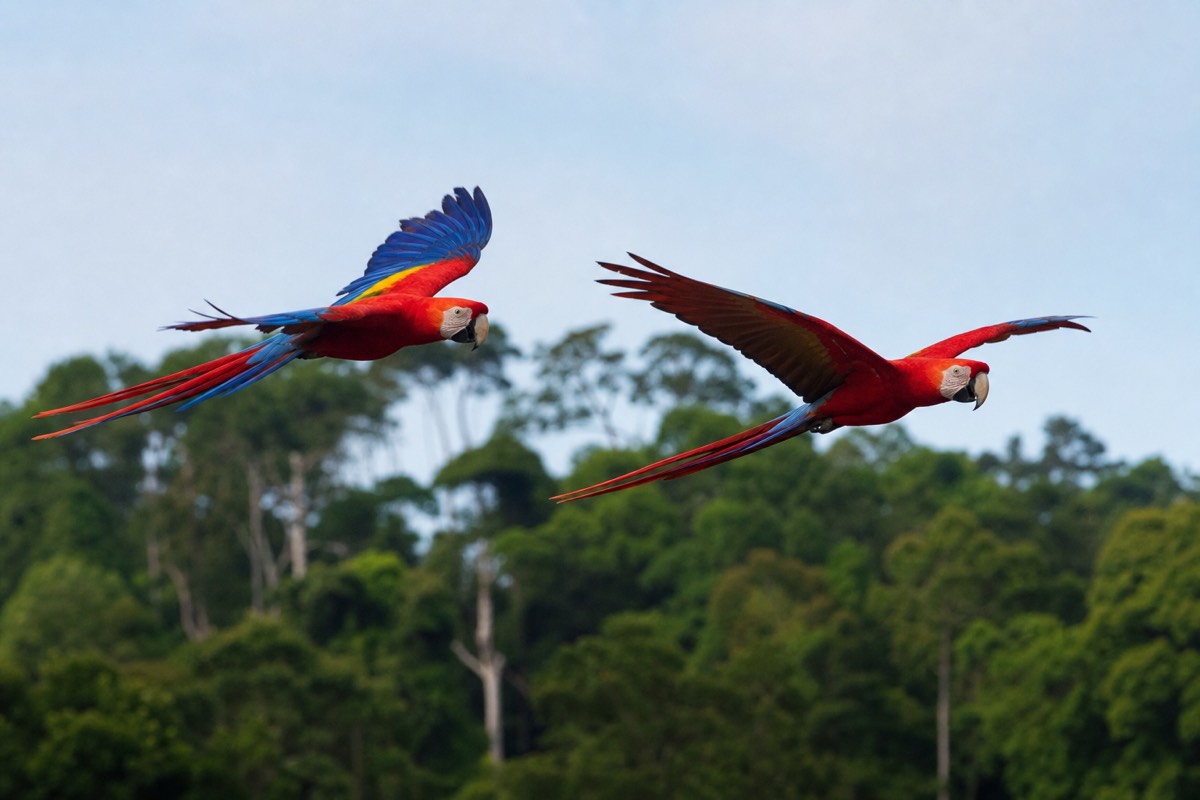
Few countries have bet as heavily on protecting their own backyard. Costa Rica shelters roughly five percent of the planet's known species on a landmass the size of West Virginia, protects around a quarter of its territory in parks and reserves, and has run its electricity grid almost entirely on renewable sources in recent years, as widely reported. That is the backdrop. Traveling here responsibly means choosing operators that keep their footprint small, watch wildlife without touching or feeding it, and send money back to the communities that keep the forest standing.
What makes Costa Rica a leader in eco-tourism?
Costa Rica is one of the world's original eco-tourism destinations. It protects around a quarter of its national territory in parks and reserves, shelters roughly five percent of Earth's biodiversity in a country the size of West Virginia, and abolished its military in 1948, redirecting that budget toward education and conservation over the decades that followed.
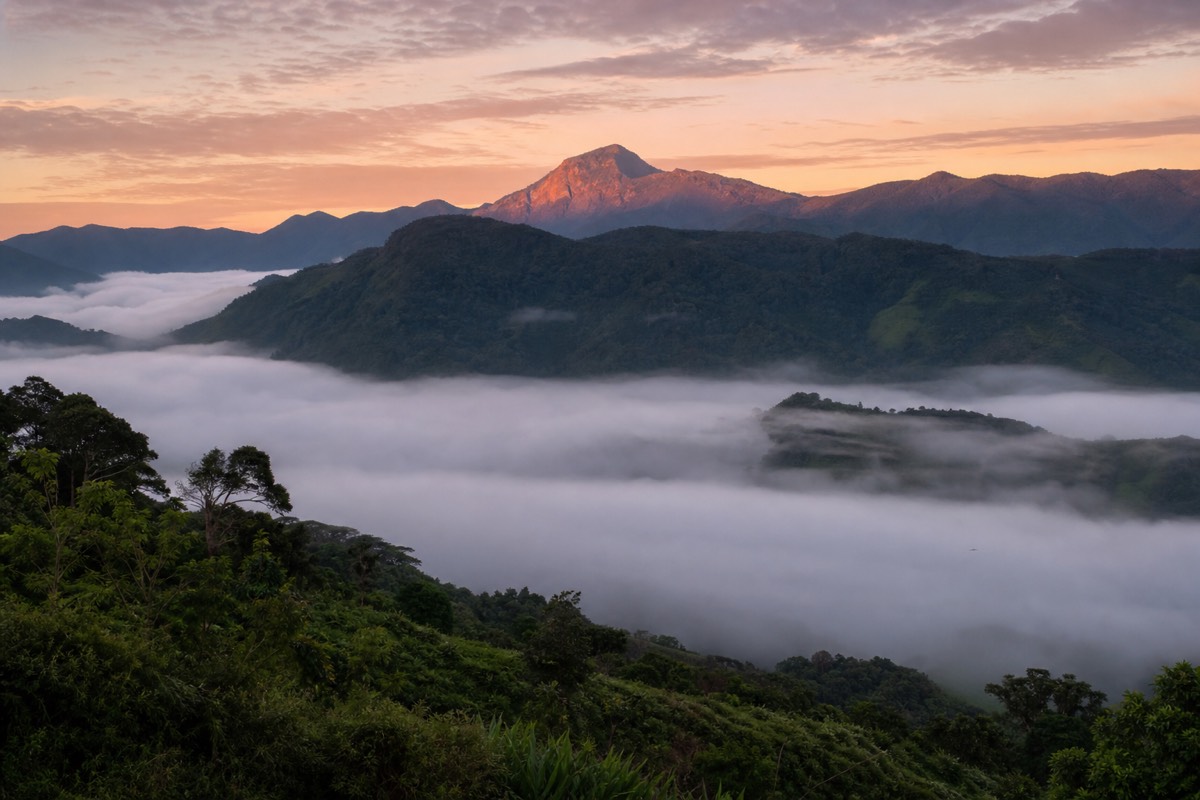
That 1948 decision is the origin story of the national park system, which is why conservation here reads as national policy rather than a marketing angle. The country is also widely reported to generate the large majority of its electricity from renewable sources, mostly hydro, geothermal and wind. None of this makes every trip automatically green, though. Being in Costa Rica does not make a tour sustainable any more than standing in a library makes you well-read. The country gives you the raw material for a low-impact trip; the choices you make about operators, wildlife and where your money lands decide whether you actually take one.
What separates a genuinely sustainable tour from greenwashing?
A genuinely sustainable tour keeps groups small, hires local guides, stays in locally owned eco-lodges, follows no-touch wildlife rules, and sends real money into the communities it visits. Greenwashing swaps that substance for a green logo and a leaf on the brochure. Look for specifics you can name, not vague nature language.
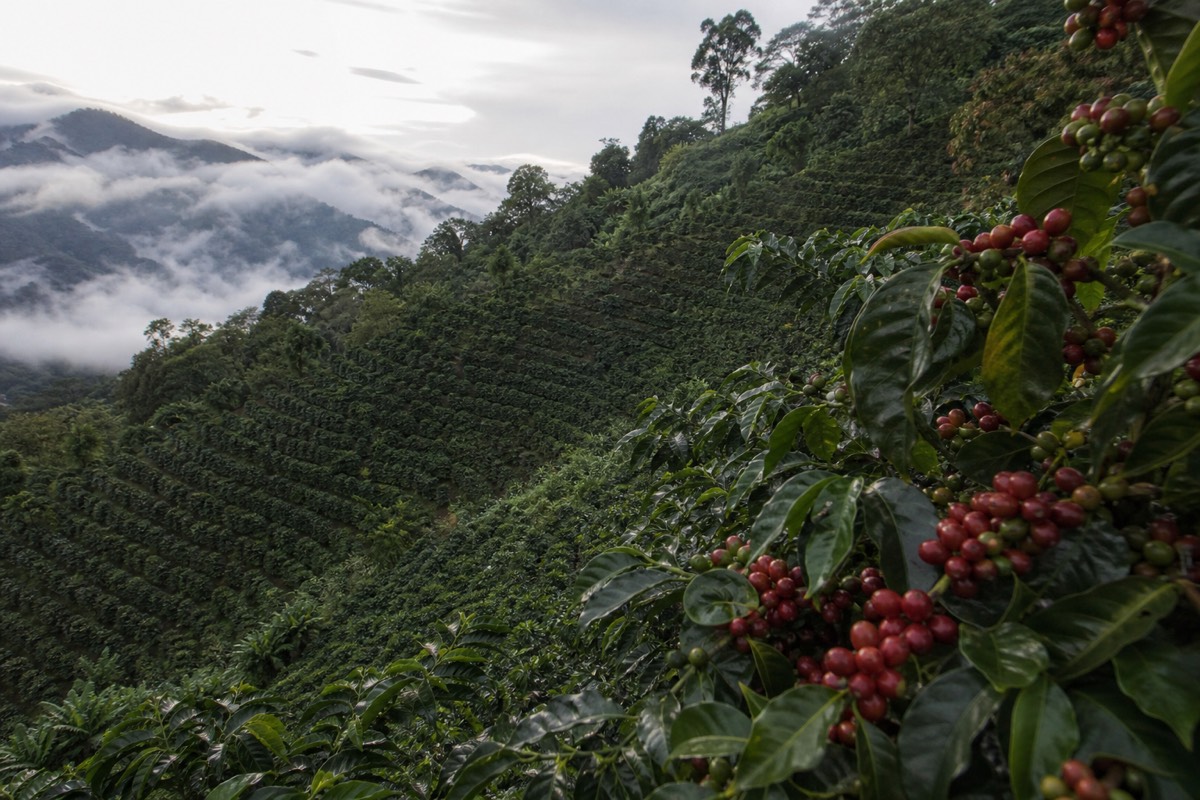
The tells are concrete. Smaller groups tread more lightly on trails and lodges, so a cap of a dozen or so travelers beats a coach of forty. Local guides and locally owned lodging keep spending in the country. Real community stops, a coffee cooperative, a family kitchen, an artisan collective, put cash directly into local hands. The national tourism board also runs a sustainability certification program for Costa Rican businesses, which you can read about through the national tourism board. The red flags are just as clear: captive-animal photo ops, feeding wildlife for a better shot, mega-groups, and brochures heavy on the word "eco" but light on anything you could actually verify.
How do you watch wildlife ethically in Costa Rica?
The rule is simple: look, do not touch, and never feed. Feeding monkeys, coatis or raccoons makes them aggressive and sick and breaks the natural behavior that draws people here in the first place. Keep your distance, skip animal selfies and captive-encounter attractions, and let a trained naturalist guide position the group so the wildlife stays wild.
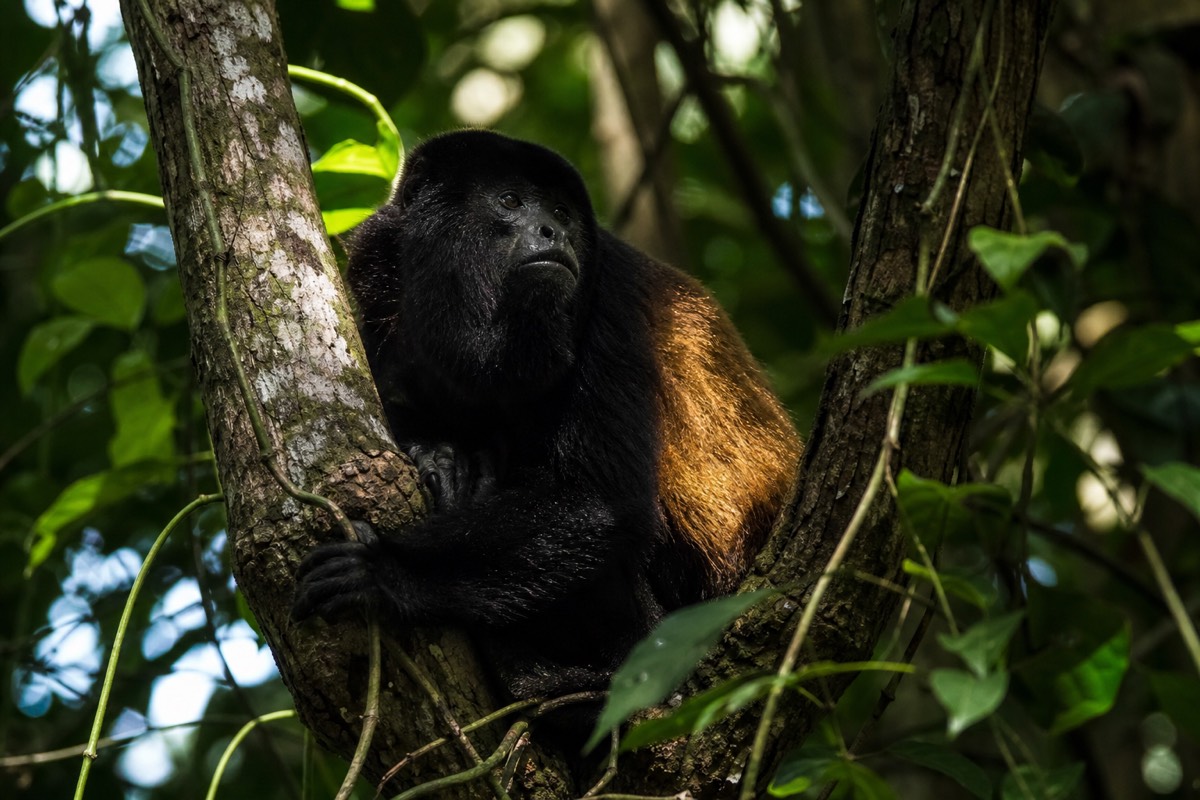
Habituated animals are a conservation failure, not a photo opportunity. A monkey that has learned to snatch food turns aggressive and stops foraging naturally, which is why guides and rangers are firm about it. The ethical way to see animals up close is not to hold them but to watch them on their own terms, and a good naturalist can put you onto a sloth forty metres up a tree without either of you disturbing it. Where close contact is genuinely justified, it happens at accredited rescue and rehabilitation centers: the Costa Rica Classic 12-Day Tour, for one, stops at a wildlife rescue center in Sarapiqui, where the animals are being rehabilitated rather than exploited for entertainment. Stay on marked trails, keep noise down, and let the forest come to you.
How do our own tours put sustainability into practice?
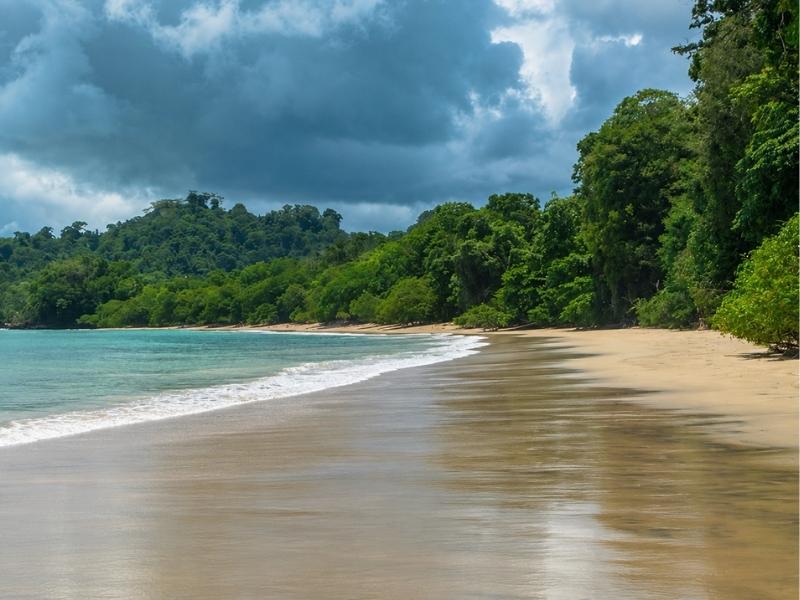
The itineraries build these ideas in rather than bolting them on. The Costa Rica Classic 12-Day Tour by One Life Adventures has travelers do hands-on trail maintenance with rangers and a beach plastic cleanup, while the Costa Rica Quest runs a G for Good community coffee cooperative visit and stops at the CASEM women's artisan cooperative.
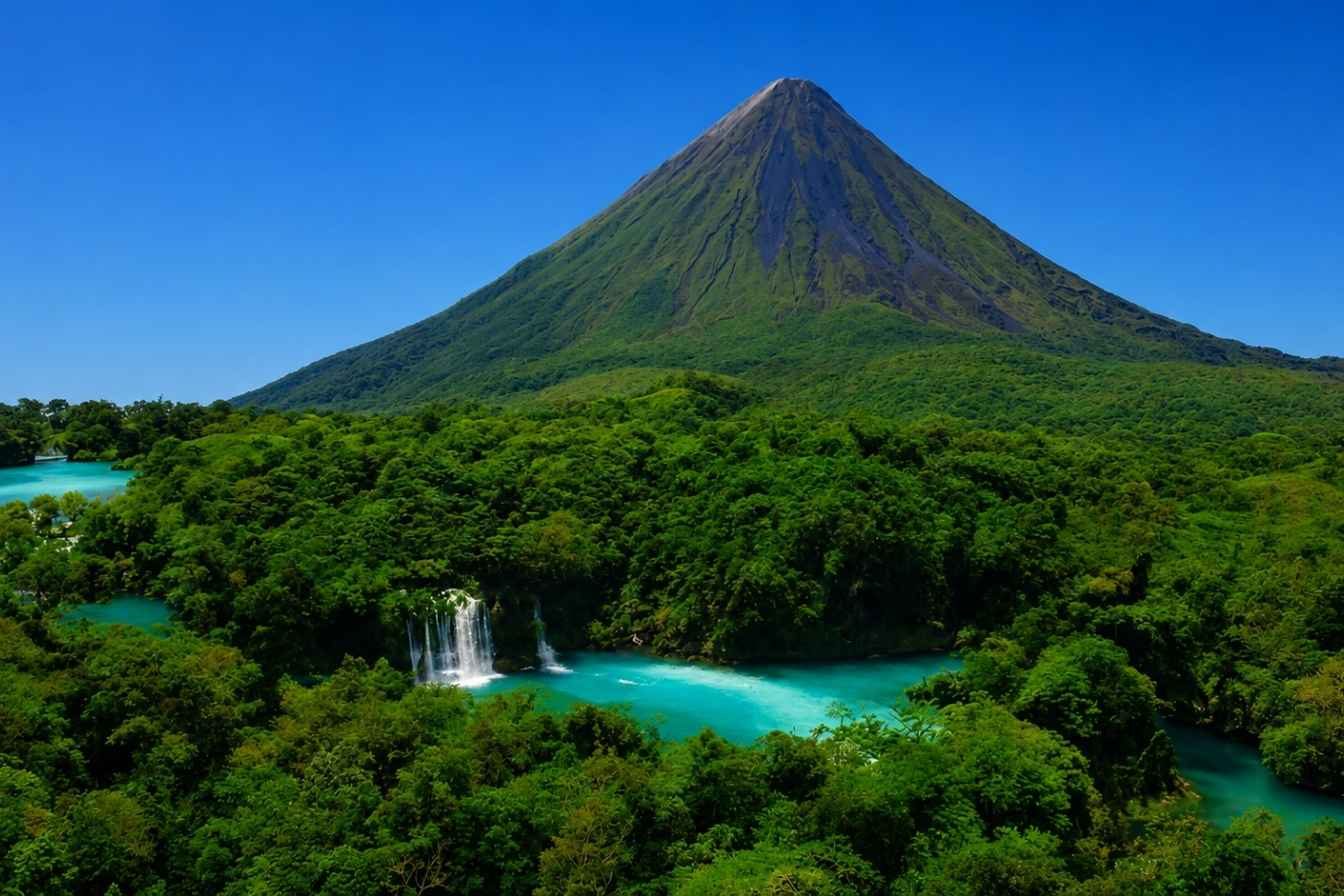
These are specific, named, verifiable stops, which is the whole point. On the Classic 12-Day route, travelers pull on work gloves for ranger-led conservation work on the trails in Monteverde and clear plastic from the sand at Paquera Bay, then visit a wildlife rescue center earlier in the trip. The Costa Rica Quest builds its community coffee stop around the Mi Cafecito cooperative, a G for Good project where the money reaches the growers, and adds the CASEM women's artisan cooperative, putting income directly into local women's hands. The Costa Rica Experience takes a different lever: capped at just 14 travelers, the smallest group of the six tours, it keeps trail and lodge impact low, and its homecooked family lunch on the road to the coast sends tourist spending straight into a local household. That is the difference between claiming sustainability and doing it.
Where do community and eco-lodge tourism fit in?
Community-based tourism keeps tourist money local instead of funneling it to distant chains. Coffee cooperatives, a women's artisan collective, family-run kitchens and locally owned eco-lodges all put your spending into the hands of people living beside the forest, which gives them a direct, financial reason to protect it rather than clear it.
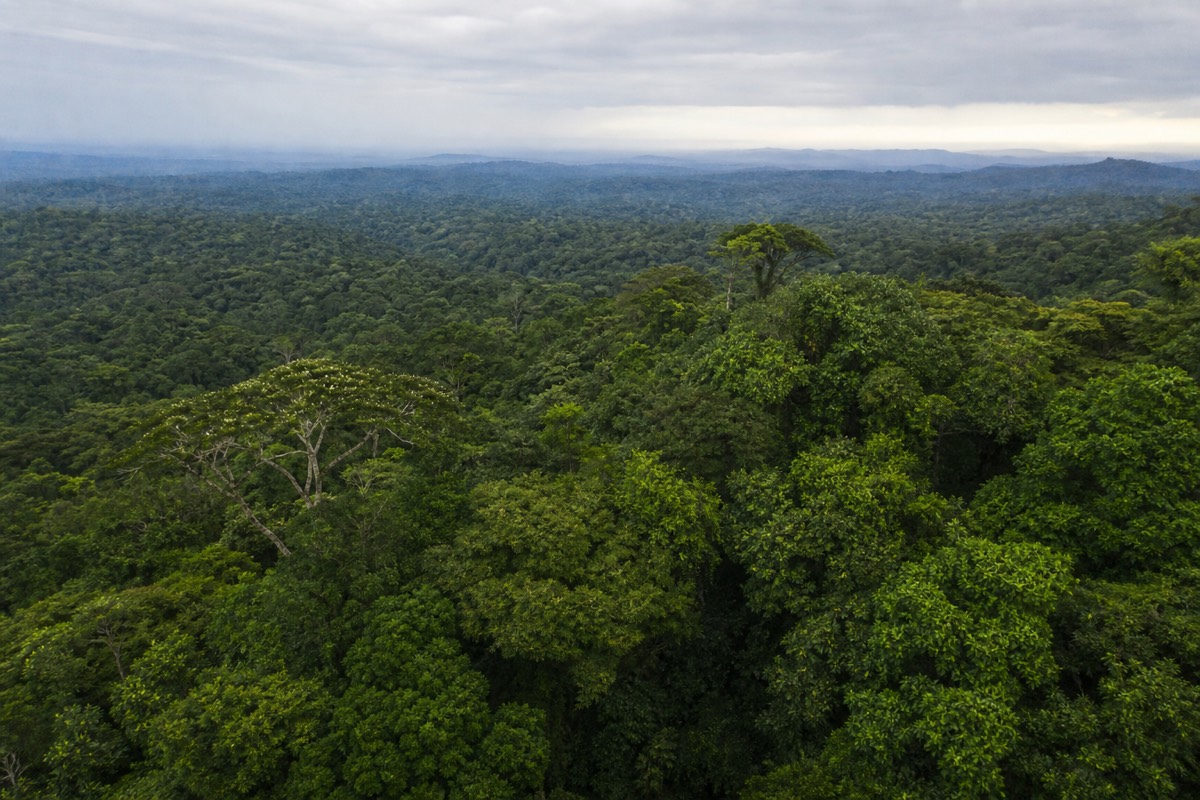
The economic logic is the quiet engine of Costa Rican conservation. When a stretch of forest is worth more standing, through the guides, lodges and cooperatives it supports, than it is cleared for pasture, it tends to stay standing. So the small choices add up: sleep in locally owned eco-inns like the ones these itineraries favor, buy crafts from a cooperative rather than an airport shop, eat at family sodas, and tip the guides and drivers fairly. Responsible travel here is not a sacrifice you make grudgingly. The lowest-impact way to see Costa Rica, small groups, local hosts, wildlife left wild, also tends to be the richest, because the people who live in the forest are the ones who can actually show it to you.