Best Hiking Trails in Costa Rica
The best hiking in Costa Rica is not one trail, it is a spectrum, from flat wildlife loops to a two-day climb up the highest peak in the country. Here is how to pick the right one.
The best hiking in Costa Rica is not one trail, it is a spectrum. On one end you have flat, shaded loops where a guide points out sloths an hour after breakfast. On the other you have Cerro Chirripo, the highest peak in the country, a climb that takes real legs and an overnight at altitude. What counts as best depends on your fitness and what you actually want to see.
Quick answer: Costa Rica's best hikes run from easy wildlife walks in Manuel Antonio and along the Caribbean coast, to cloud-forest trails and hanging bridges in Monteverde, to volcano-rim and lava-field routes at Poas and Arenal, up to the serious Chirripo summit and the jungle treks of Corcovado. Choose by fitness first, scenery second.
What are the best hikes for most visitors?
For most travelers, the sweet spot is the accessible wildlife and cloud-forest trails, not the extreme summits. The Manuel Antonio loop, the Monteverde reserve paths and their hanging bridges, and the crater walk at Poas Volcano deliver the country's headline scenery and animals on maintained trails a reasonably fit beginner can finish comfortably.
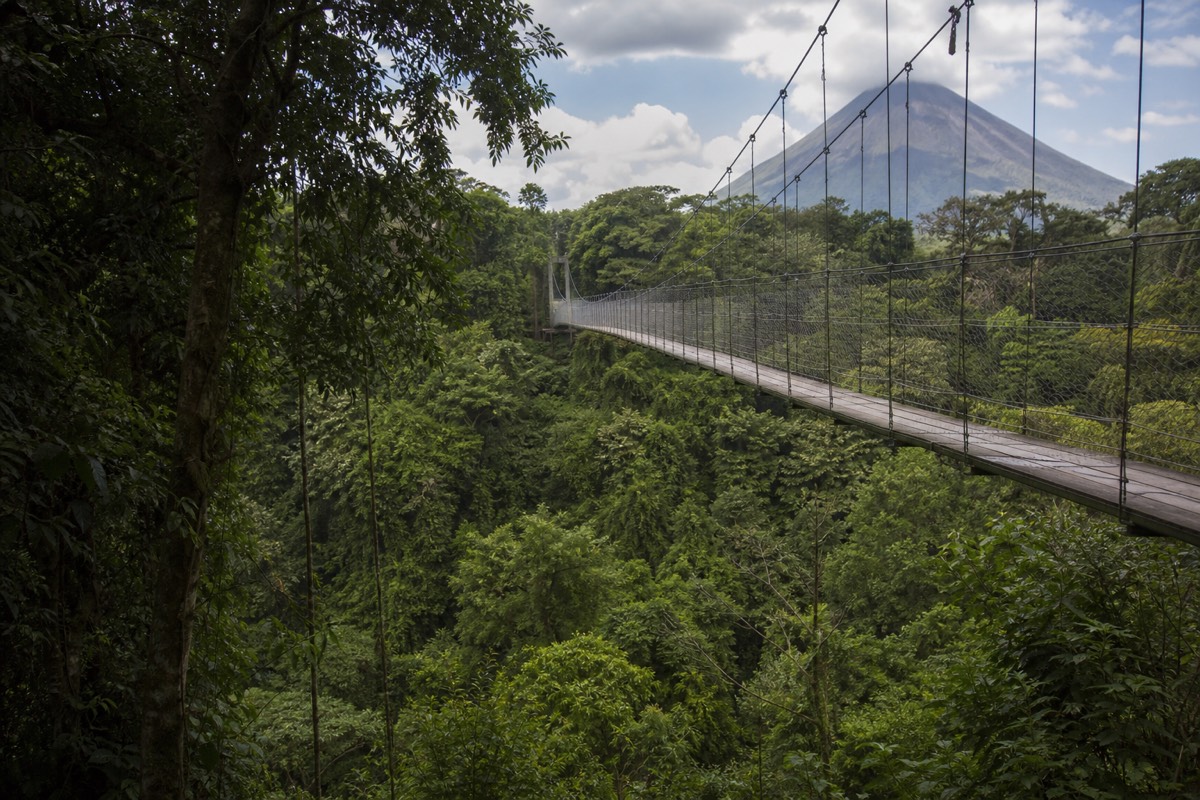
Manuel Antonio's roughly two-mile loop is the gentlest of the three, a mostly flat forest walk where four monkey species, two-toed and three-toed sloths, and more than 350 bird species share the trail with visitors. Monteverde Cloud Forest raises the drama without raising the difficulty much, with misty canopy paths and suspension bridges where lucky hikers spot a resplendent quetzal. Poas Volcano adds a short walk to a crater rim in the Central Valley. All three sit on routes we list, and a naturalist guide turns a quiet walk into a wildlife hit list.
How hard is each trail, and what does it reward?
Here is the honest difficulty ladder, from stroll to expedition, with what each trail rewards and whether the tours we list actually include it. Use it to match a hike to your group before you commit, since a trail that thrills a fit hiker can defeat a family with young kids, and the reverse is just as true.
| Trail or area | Difficulty | What you see | On our tours? |
|---|---|---|---|
| Manuel Antonio loop | Easy | Monkeys, sloths, coves | Yes, on four routes |
| Monteverde trails and hanging bridges | Easy to moderate | Cloud forest, quetzals | Yes, on all six |
| Poás crater rim walk | Easy | Active volcano crater | Yes, on two routes |
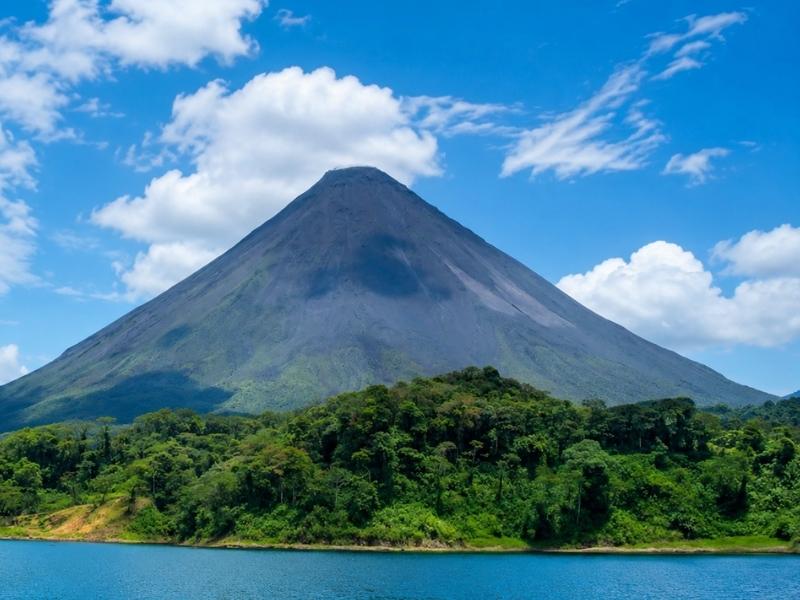
| Arenal lava-field trails | Moderate | 1968 lava flows, jungle | Yes, on all six |
| La Fortuna Waterfall steps | Moderate | 70m waterfall, 500 steps | Optional on several |
| Cahuita coastal trail | Easy | Caribbean reef, sloths | Not on our routes |
| Corcovado jungle treks | Hard | Primary rainforest, big wildlife | Not on our routes |
| Cerro Chirripó summit | Very hard | Highest point in Costa Rica | Not on our routes |
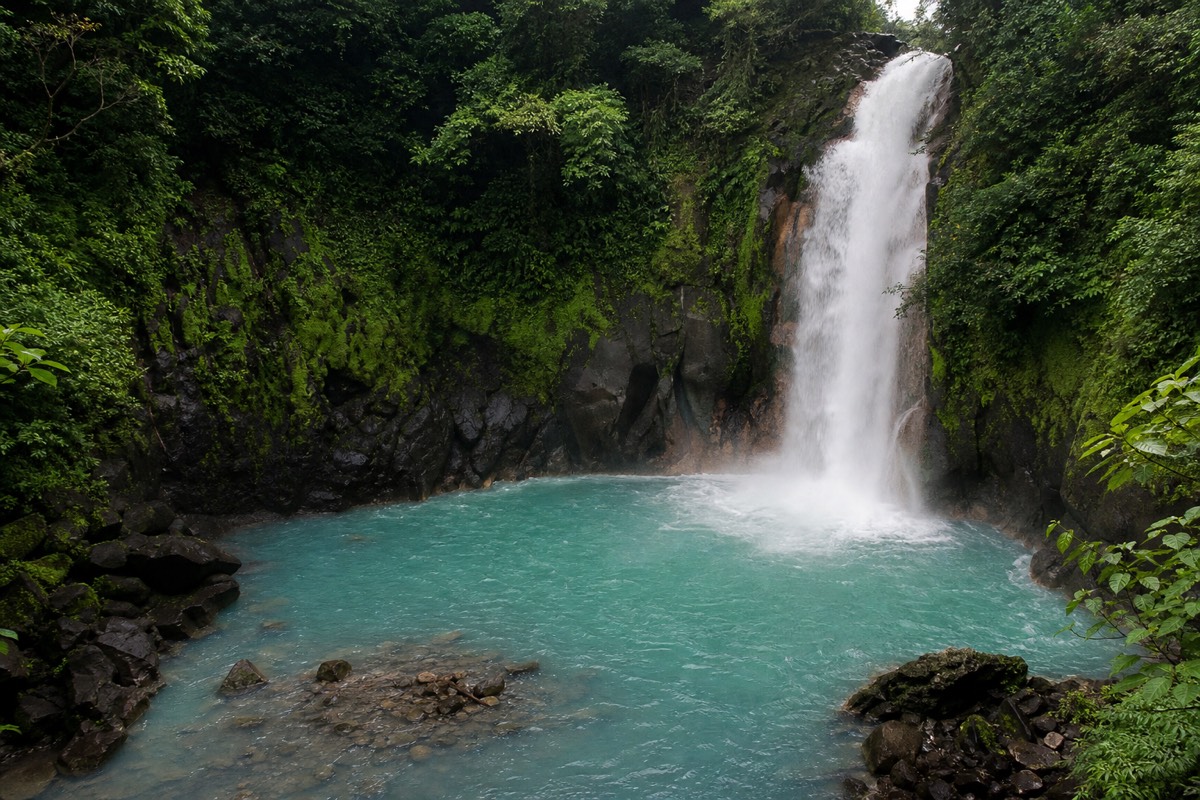
The La Fortuna Waterfall is a good example of how a short trail can still work your legs. It drops about 70 metres into a pool, and the descent runs some 500 steps that take roughly fifteen minutes down and longer coming back up. Short distance, real effort.
What is the hardest hike in Costa Rica?
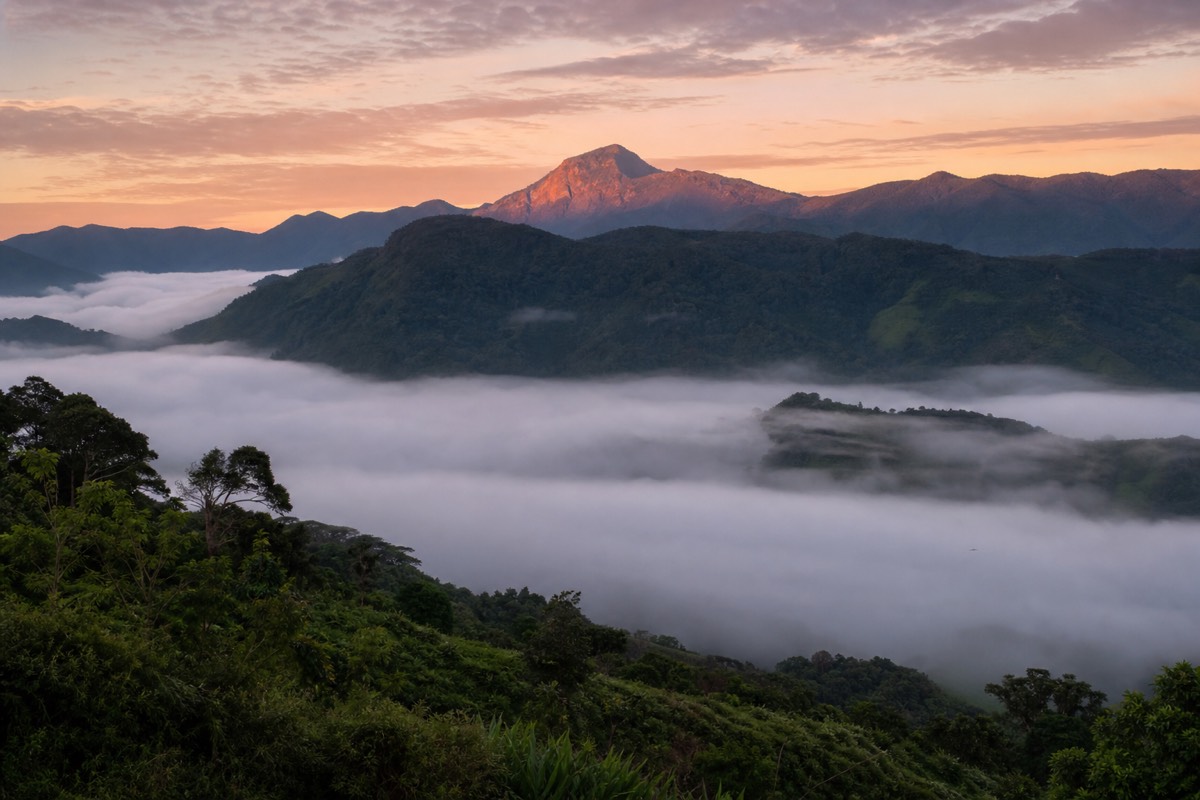
Cerro Chirripo is the hardest well-known hike, a long uphill grind to the highest point in the country that most people split over two days with an overnight at a base lodge near the top. Corcovado on the Osa Peninsula is the other serious one, a hot, humid trek through dense primary jungle that by regulation requires a certified guide.
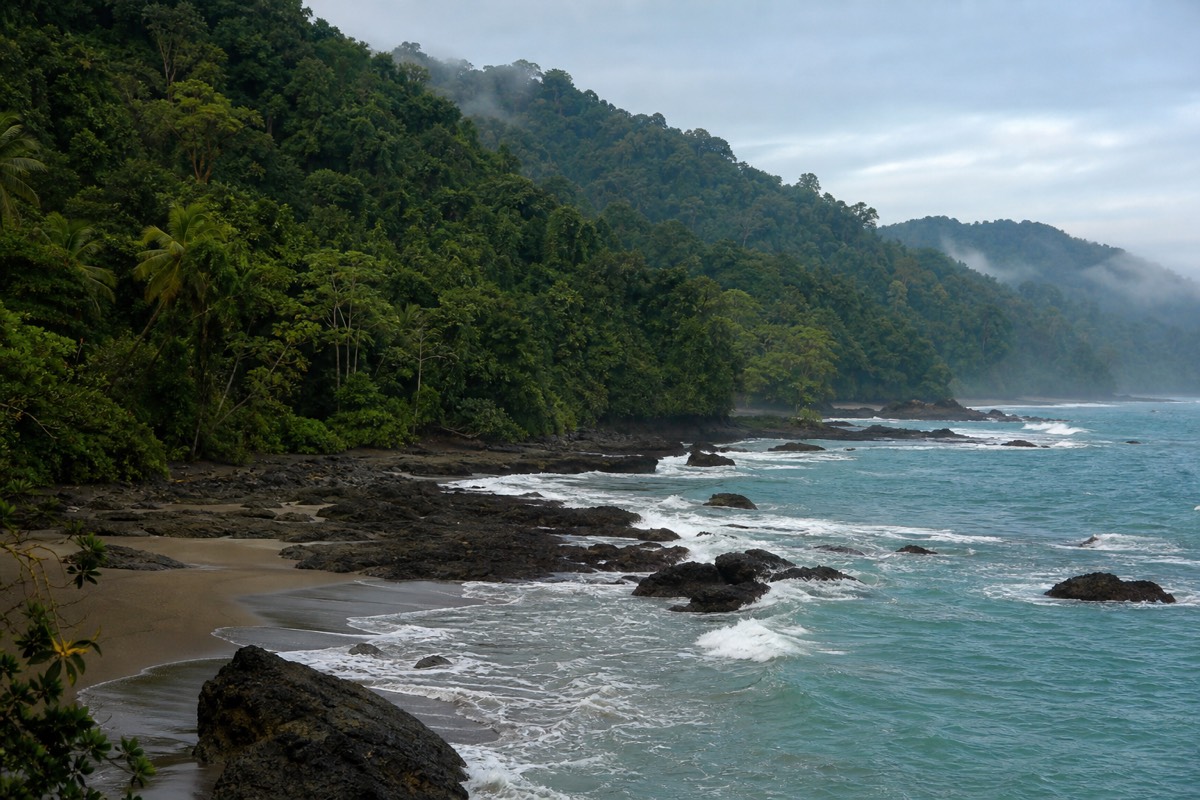
Chirripo is a permit-limited climb, and spaces must be reserved well in advance, so check the current rules through the park service before you plan around it. Hikers who reach the summit on a clear morning report views stretching toward both coasts, the payoff for a demanding ascent. Corcovado trades altitude for raw biodiversity, some of the densest wildlife in Central America, reached on guided treks where the guide requirement is as much about safety as spotting. Neither sits on our six itineraries, which are built around the accessible Golden-Triangle trails at Arenal, Monteverde and Manuel Antonio. Travelers set on Chirripo or Corcovado usually add them as independent extensions rather than expecting a standard package to cover them.
How much hiking do the tours actually include?
Every route we list is built around light-to-moderate guided hiking rather than summit bagging. The Raft, Hike & Explore Costa Rica Adventure puts it in the name, pairing Pacuare River rafting with Arenal and Monteverde walks, while the Costa Rica Quest and the Volcanoes, Cloud Forests & Zip-Lines trips add cloud-forest walks and, on two routes, the Poas crater rim.
The Raft, Hike & Explore route mixes a guided Arenal nature walk that runs through the volcano's tectonic history with a Monteverde hanging-bridges walk and a canopy zip-line. The Costa Rica Quest adds a guided cloud-forest night walk and the naturalist-led Manuel Antonio loop. The cheapest option, the Volcanoes, Cloud Forests & Zip-Lines trip, opens on the Poas crater walk and builds toward an included Monteverde zip-line and cloud-forest trails. Across the board, standard packages fold in light-to-moderate hiking plus one or two adventure activities, which suits most travelers better than a single punishing climb. For exact daily distances and what each route includes, check the live prices on the listing.
Guided or self-guided, and what should you bring?
Go guided for wildlife and for anything remote. Naturalist guides spot animals independent hikers walk straight past, and some trails, Corcovado among them, require a certified guide by regulation. For gear, pack sturdy shoes, quick-dry layers and a rain jacket, and aim serious hikes at the December-to-April dry season when trails are firmer underfoot.
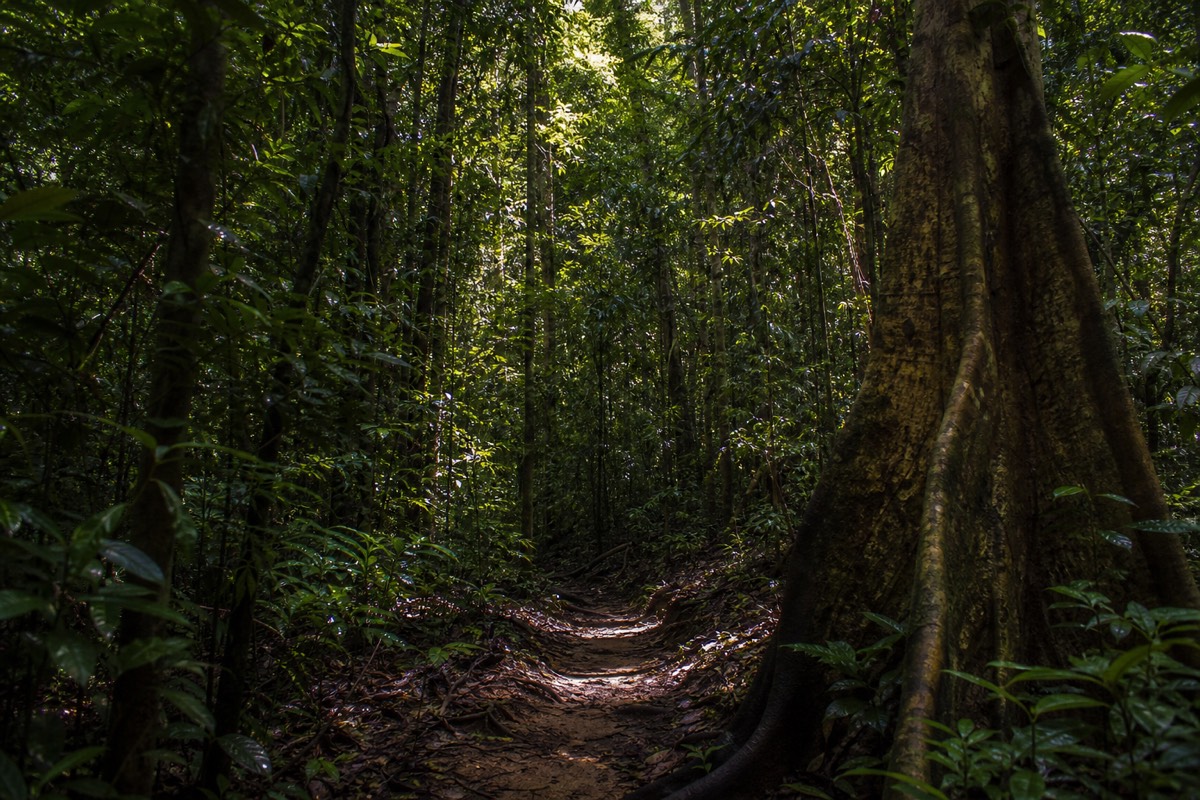
The site's own trips lean on naturalist guides for a reason: a trained eye finds the sloth silhouette and the camouflaged bird that a solo walker misses entirely. Season matters just as much. The dry months from December to April give the firmest footing and the clearest skies, while the green season from May to November brings afternoon rain and muddier trails, though mornings usually stay reliable. Bring quick-dry clothing, a rain jacket or poncho, insect repellent, a reusable water bottle, a daypack and shoes with grip. Hiking gear is not included on the tours, so plan to bring your own.