Ziplining and Canopy Tours in Costa Rica: What to Know
Costa Rica is where the modern canopy tour grew up, and it now offers several very different ways to get into the treetops. Here is how ziplines, hanging bridges and aerial trams compare, what first-timers should expect, and where the best runs are.
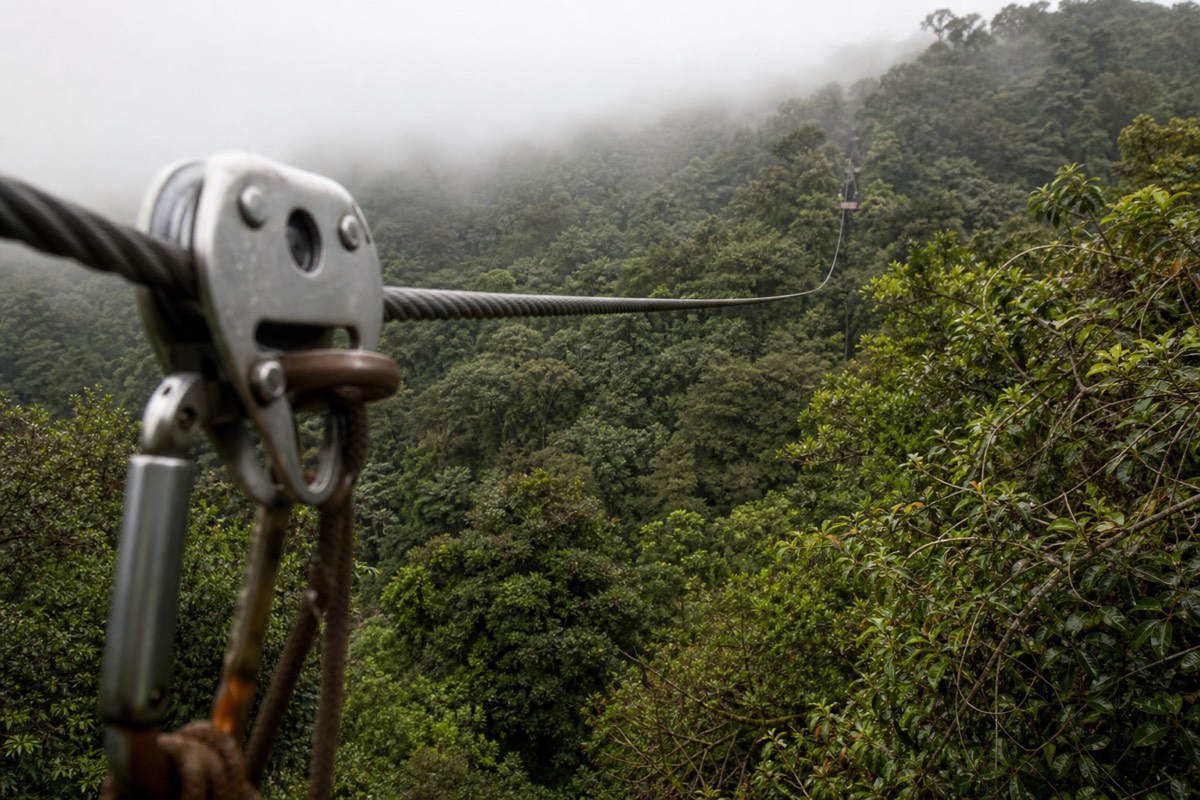
Somewhere over a Monteverde valley, on a steel cable strung between two platforms, is where a lot of visitors discover they are braver than they thought. The zipline is Costa Rica's signature adrenaline activity, and the country is widely credited as the place the modern canopy tour was invented. What began as a way for biologists to move through the treetops turned into an industry, and today the treetops are open to anyone with a harness and a little nerve. This guide sorts out the options, the safety questions, and where to do it.
Quick answer: Costa Rica is widely credited as the birthplace of the modern canopy zipline, and Monteverde and Arenal are its two headline zones. Ziplines are the fast, high thrill; hanging bridges are the slow, wildlife-friendly walk through the canopy; aerial trams are the calm seated ride. Several of this site's tours include or offer all three.
Three ways to ride the canopy
Comparison built from the canopy activities named in the site's own tour itineraries and the descriptions in this guide. Thrill and pace are relative, not measured values.
Why is Costa Rica the home of ziplining?
Costa Rica is widely credited with inventing the modern canopy zipline, with the cloud forest around Monteverde usually named as its birthplace. What started decades ago as a research technique for reaching the treetops became a tourism staple, and the country now has one of the densest concentrations of canopy tours anywhere, from short forest runs to long, high-speed cables over valleys.
The origin story is part of the appeal. The commonly told version is that researchers in the Monteverde cloud forest rigged cables and pulleys to study the canopy, the layer of the forest where much of the life actually happens, and travelers soon wanted the same view and the same rush. Whether or not every detail of that history is exact, the through-line is real: this is where canopy touring grew into what it is, and the country leaned into it hard.
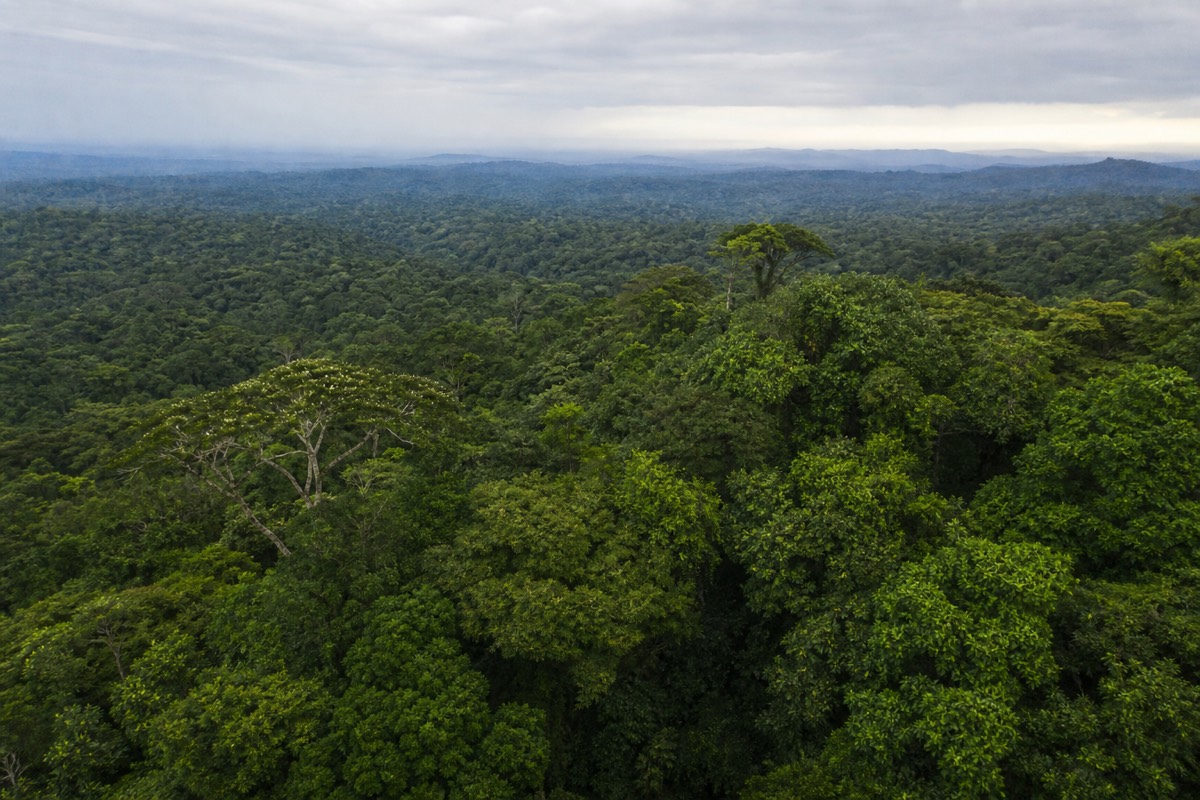
Geography helped. Costa Rica's forests grow on steep, folded terrain, which is exactly what a good zipline needs. A cable strung from a high platform on one ridge to a lower one across a valley gives you speed, height and a long ride over unbroken treetops. Add near-constant greenery and a mature adventure-tourism trade, and you get a country where a canopy tour is almost a default part of the itinerary rather than a specialist add-on.
For a traveler, the practical result is choice. You can find gentle, family-scaled canopy tours and genuinely fast, high, heart-in-throat ones, often in the same region. This site's own tours reflect that: the canopy shows up again and again across their itineraries, sometimes as an included highlight and sometimes as an optional add-on, in both the cloud forest and the volcano country. The rest of this guide is about picking the version that fits you.
What is the difference between ziplines, hanging bridges and aerial trams?
They are three different ways into the same treetops. Ziplines clip you to a cable and send you flying between platforms, fast and high. Hanging bridges are suspension walkways strung through the canopy that you cross on foot, slow and quiet, which makes them the best for wildlife. Aerial trams are open gondola-style cabins that carry you through the forest seated, with almost no effort.
Ziplines are the thrill option. You wear a harness and helmet, clip onto a steel cable, and ride it downhill from one platform to the next, sometimes reaching real speed on the longer runs. It is active, it is exhilarating, and it is more about the rush and the aerial view than about spotting animals, since anything nearby hears you coming and you are moving too fast to study it.
Hanging bridges are the opposite temperament. These are suspension footbridges that thread through and above the canopy, letting you walk at treetop level at your own pace. Because you are quiet and slow, they are the pick for wildlife and birding, and they suit anyone who wants the canopy view without the adrenaline. This site's itineraries feature several, from the Mistico-style hanging bridges near Arenal to the long suspension walkways and treetop bridges around Monteverde.
Aerial trams are the gentlest of the three, a seated ride in an open cabin that glides through the forest on a cable system, a little like a ski gondola built for the jungle. They ask nothing physical of you, which makes them the choice for travelers with mobility limits, very young children or anyone who simply prefers to sit and look. They are less common on standard tour itineraries than ziplines and bridges, so if a tram ride specifically matters to you, confirm it is offered where you are headed rather than assuming it.
Is ziplining safe, and what should first-timers expect?
Ziplining with an established operator is a highly managed activity. You are fitted with a harness and helmet, briefed on the ground, and clipped to the cable by trained guides who ride with the group, and most tours include age, weight and health limits. For a first-timer the honest experience is a jolt of nerves on the first platform that usually turns into wanting to go again.
Take the safety basics seriously and choose your operator with a little care. Reputable canopy tours use proper harnesses, helmets, redundant attachments and guides who handle the technical parts, so your job is mainly to follow instructions and enjoy it. Go with a course run through an organized tour rather than an unregulated roadside setup, which is one more reason the guided-package route is reassuring: the operator has already vetted the canopy provider.
Expect limits, and check them before you book, since they are the thing most likely to catch a group out. Canopy tours commonly set minimum ages and heights and both minimum and maximum weights, and this site's own guidance notes that adventure activities often carry age or height requirements, frequently in the range of eight to twelve years old. If you are traveling with kids, with anyone who has a heart, back or pregnancy concern, or with a wide spread of body sizes, confirm the specific operator's rules in advance.
The experience itself is friendlier than the anticipation. There is usually a short, low practice line so you learn the braking and the posture before the big cables. The first real platform is where nerves peak; you clip on, lean back, lift your feet, and then you are gliding over the canopy and the fear converts to a grin. Wear closed-toe shoes, tie back long hair, leave loose items behind, and listen to the braking instructions, and most first-timers finish the course already asking about the next one.
Where are the best canopy tours in Costa Rica?
Monteverde and Arenal are the two headline zones. Monteverde, the cloud-forest home of the original canopy tours, offers long, high, often misty cable rides and superb hanging bridges. Arenal and La Fortuna pair their canopy runs with volcano views and easy hanging-bridge walks. Both appear across this site's tours, sometimes included and sometimes as an optional add-on.
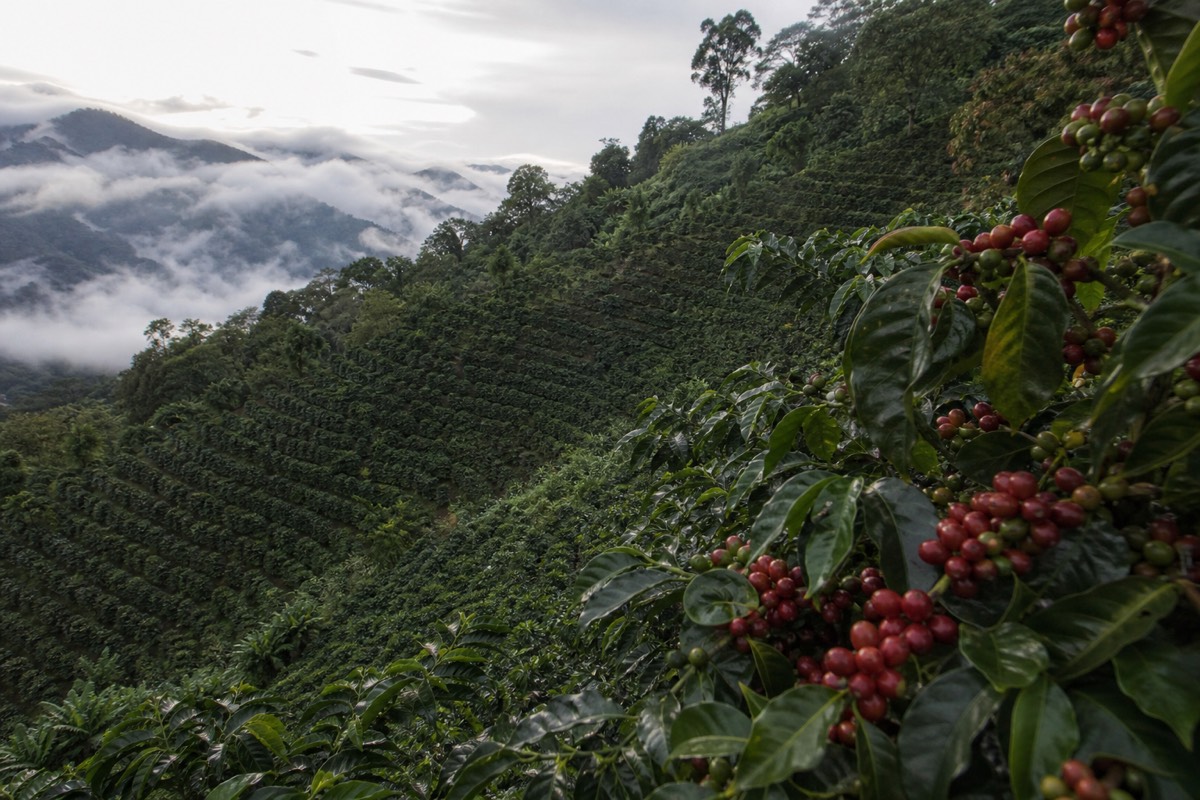
Monteverde is the classic. As the cloud forest usually credited as the birthplace of the canopy tour, it delivers a distinctive ride: cables strung high over deep green valleys, frequently threaded with drifting mist that makes the experience feel genuinely otherworldly. It is also strong for hanging bridges and treetop walkways, so you can do the fast version and the slow version in the same visit. The elevation, around 1,200 metres, keeps it cool, which is a relief after the humid lowlands.
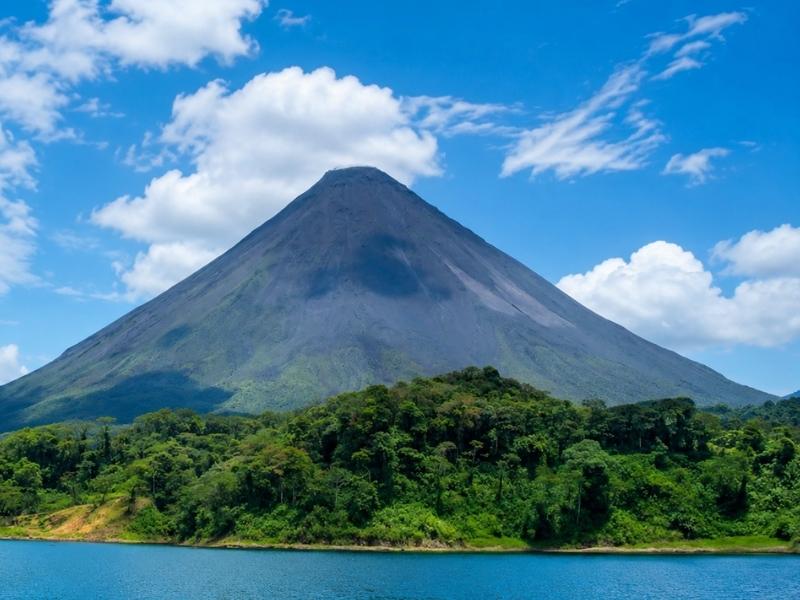
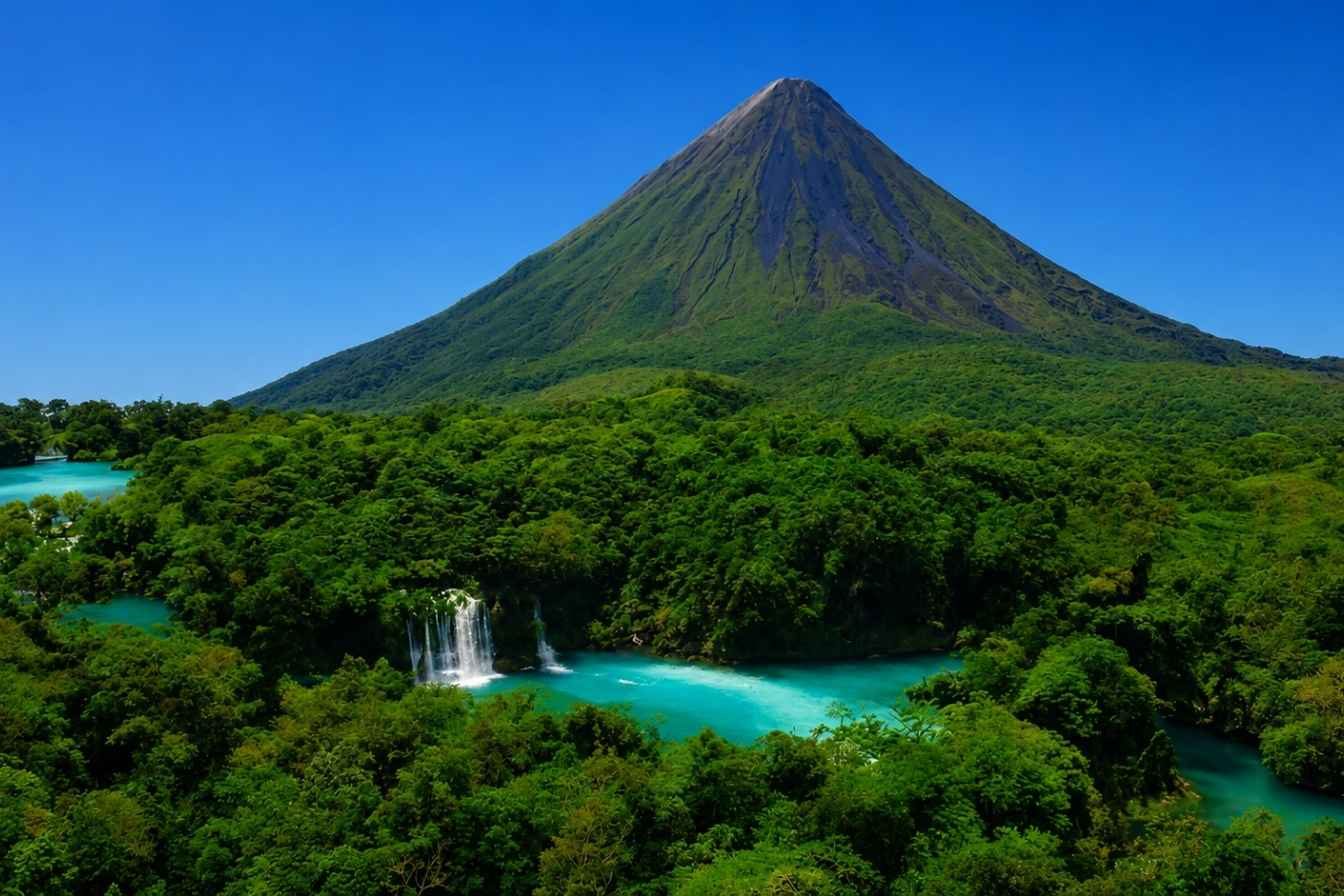
Arenal, in the northern lowlands around La Fortuna, is the other great base. The canopy tours here trade some of Monteverde's mist for views of the volcano's cone and the surrounding rainforest, and the region is loaded with hanging-bridge walks that double as wildlife outings, with sloths and howler monkeys often spotted from the walkways in the early morning. Because every one of this site's tours passes through both Arenal and Monteverde, you are rarely far from a canopy option on any of them.
| Region | What is special | On the site's tours |
|---|---|---|
| Monteverde cloud forest | Original canopy home; long, high, misty cables and treetop bridges | Zipline included on the Volcanoes and Raft, Hike and Explore tours; optional on the Quest |
| Arenal and La Fortuna | Canopy runs and hanging bridges with volcano views | Hanging bridges across most tours; optional zipline with cables and a Tarzan swing on the Essential tour |
| Santa Elena (near Monteverde) | Quieter cloud-forest reserve and canopy options | Optional reserve visits on the Quest and Volcanoes tours |
The short version is that you do not have to choose a region for the canopy alone, because the two best ones are already on the route. Decide instead on the type of experience you want, fast cables or slow bridges or both, and the region tends to sort itself out along the way.
Which is better for ziplining, Arenal or Monteverde?
Neither wins outright; they offer different rides. Monteverde is the purist's pick, with the longest, highest, mistiest cloud-forest cables and the strongest claim to canopy-tour history. Arenal is the scenery pick, with volcano and rainforest views and easy pairing with hot springs and hanging bridges. Most itineraries visit both, so the honest answer is usually to do the canopy in whichever fits your day.
Choose Monteverde for the ride itself. The cloud forest gives you the longest and highest cables, the coolest air, the drifting mist that makes the photos look unreal, and the satisfaction of ziplining where the whole idea started. The trade is that the same mist can cut the views on a bad day, and the mountain approach roads are slow. If the zipline is the single thing you care most about, Monteverde is the stronger choice.
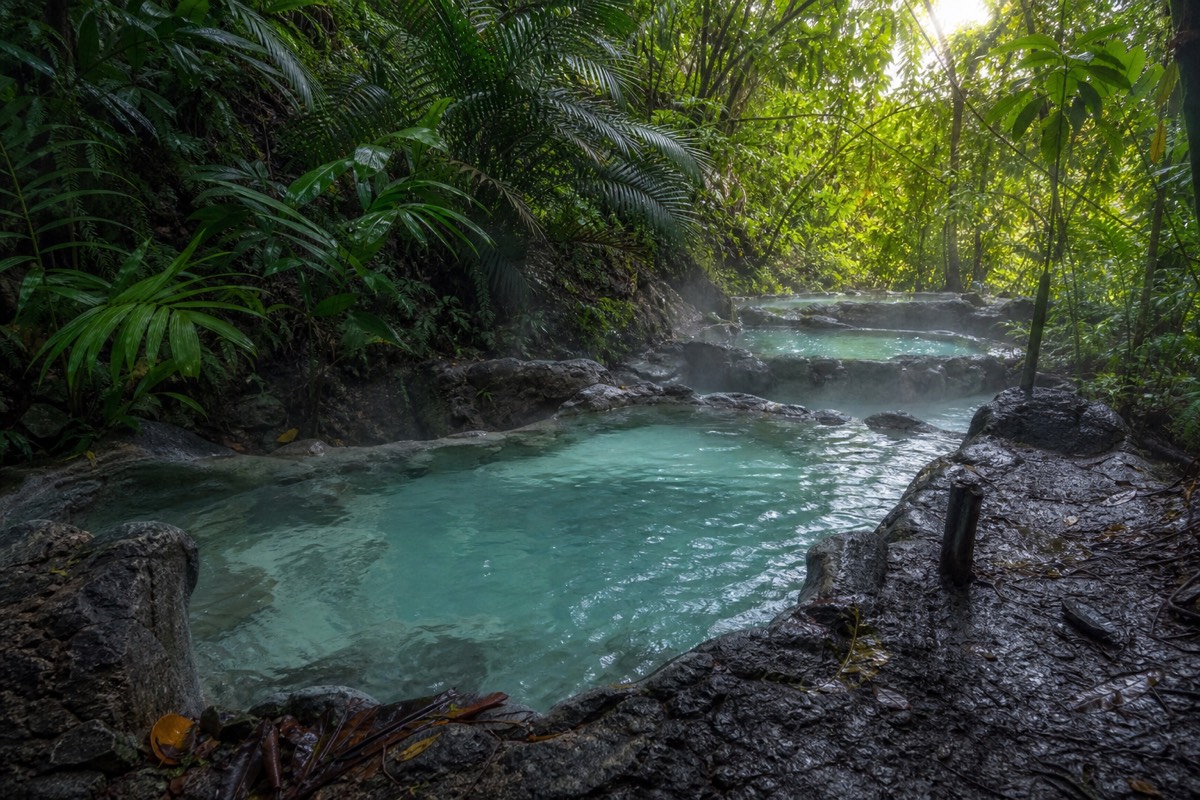
Choose Arenal for the setting and the combination. Here the appeal is riding with the volcano's cone and the lowland rainforest as your backdrop, then rolling straight into a hanging-bridge walk and an evening in the geothermal hot springs. The lowland forest is also excellent for wildlife from the bridges. The canopy runs may not have Monteverde's cloud-forest mystique, but the whole Arenal day is hard to beat as an all-rounder.
In practice the question mostly answers itself, because the tours that include a canopy build it into a specific region already. This site's six-day Volcanoes, Cloud Forests and Zip-Lines tour puts an included high-velocity zipline in Monteverde, as does the Raft, Hike and Explore Costa Rica Adventure. The Costa Rica Quest offers optional ziplining in the same cloud-forest zone, while the Essential tour offers an optional Arenal zipline with a long run of cables and a Tarzan swing. Rather than agonize over Arenal versus Monteverde, pick the tour whose overall shape you like and take the canopy where it lands.
Who is ziplining suitable for, and who might skip it?
Ziplining suits most reasonably able travelers, including many older adults and kids above the operator's minimum age and height. You sit in a harness and let gravity do the work, so it is not a fitness test. Skip it, or choose bridges instead, if you have serious heart, back or mobility issues, are pregnant, or fall outside the operator's weight limits, and always check the specific rules first.
The activity is more accessible than it looks. You are not climbing or holding your own weight for long; you are clipped into a harness and briefed on how to brake and hold your posture, and the guides manage the technical steps. Plenty of grandparents ride ziplines happily, and it can be a highlight for teenagers and older children who meet the limits. The barrier is nerve more than fitness, and the nerve usually evaporates after the first cable.
That said, be honest with yourself about a few things. Ziplines involve heights, sudden speed and a jolt at the braking end, so a genuine fear of heights, a bad back or neck, heart conditions or pregnancy are all real reasons to sit it out or pick a gentler option. Weight limits cut both ways, with a minimum for the braking systems to work and a maximum for the gear, so travelers at either end should confirm the numbers before the day.
The good news is that the canopy is not all or nothing. Anyone who wants to skip the zipline still has the hanging bridges, a slow, low, feet-on-planks walk through the same treetops that delivers the views and the wildlife without the adrenaline, and the gentler aerial tram where it is offered. On a group tour, that flexibility is built in: the thrill-seekers take the cables, the wildlife watchers take the bridges, and the day works for everyone. Compare what each tour includes as standard versus optional, and check the live details on each listing, so nobody in your group is stuck with the wrong version.