Costa Rica Packing List: What to Bring and What to Leave
Pack for two Costa Ricas in one bag: hot coast and cool cloud forest. Here is what earns its place, what the tours ask you to bring yourself, and what to leave at home.
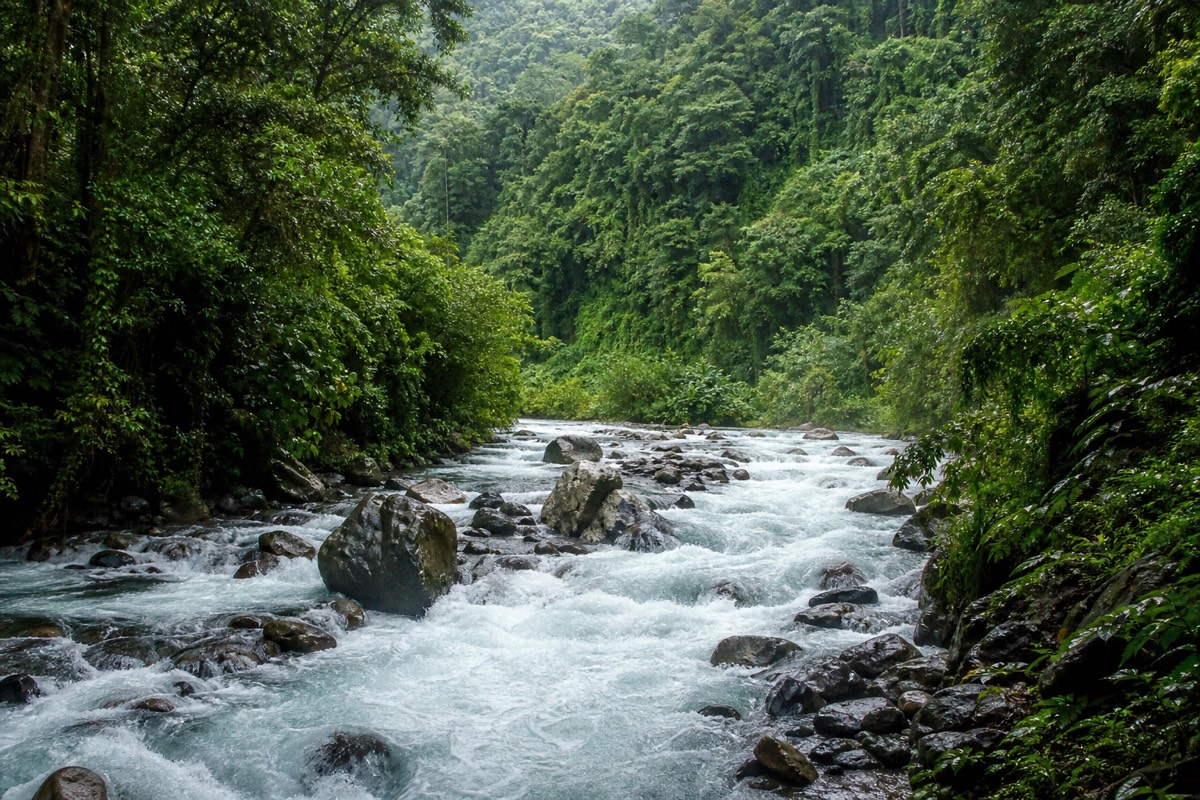
The lowlands and the Pacific coast run hot and humid, the cloud forest around Monteverde sits cool and damp at over a thousand metres, and rain can arrive on almost any afternoon for much of the year. That single split decides your whole packing strategy. The winning kit is light, quick-dry and layered, with real sun and insect protection, a rain shell you can grab in seconds, and a small stack of documents the country genuinely checks at the border. Below is what to bring, why, and the short list of things that only take up space.
What should you pack for Costa Rica?
Pack lightweight quick-dry clothing, a swimsuit, a rain jacket or poncho, reef-safe SPF 50 sunscreen, insect repellent, a reusable water bottle, a daypack, binoculars and a dry bag. Add sturdy walking shoes, one warm layer for the cloud forest, and the right documents. Most travelers bring far more than they end up wearing.
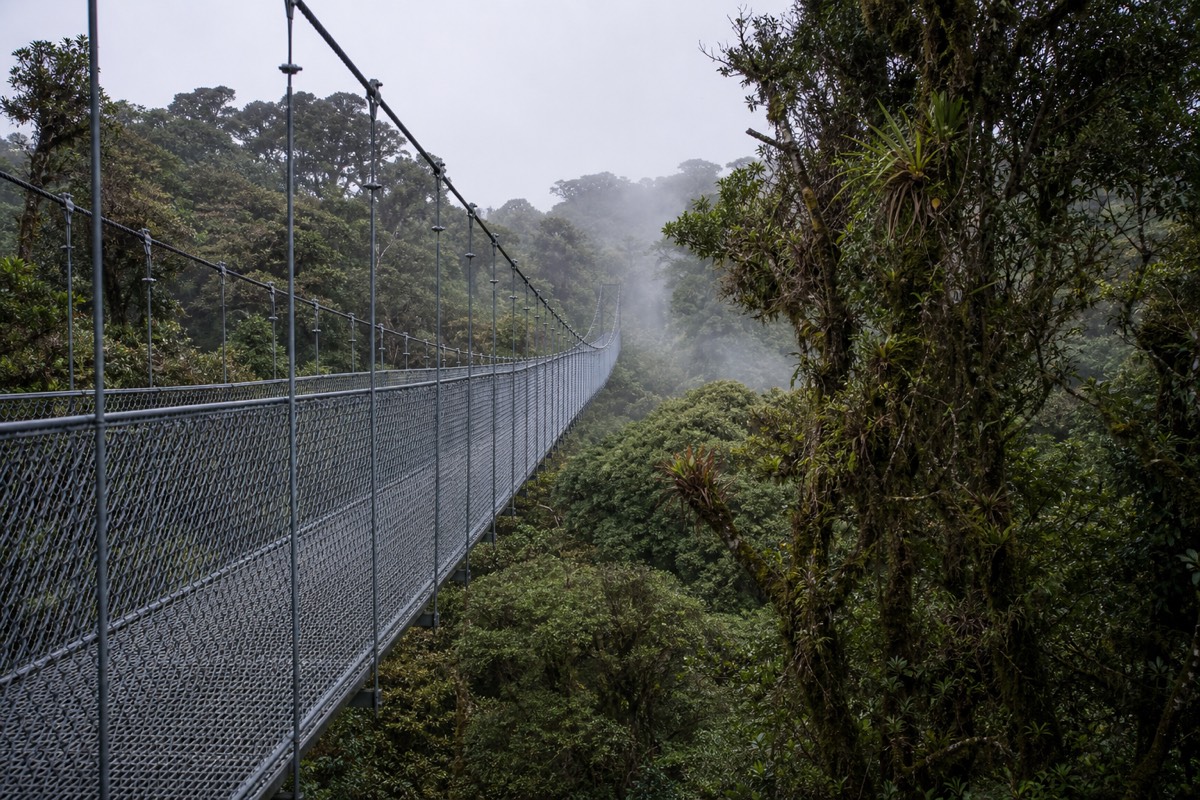
Think in categories rather than outfits. You will re-wear a few quick-dry pieces on repeat, refill water instead of buying bottles, and lean on one good rain layer that doubles as a windbreak up high. The table below is the whole list at a glance, grouped so nothing important slips through.
| Category | What to bring | Why it matters |
|---|---|---|
| Essentials | Reef-safe SPF 50 sunscreen, insect repellent, reusable water bottle, daypack, binoculars, small first-aid kit | Sun and mosquitoes are the likeliest sources of discomfort, not anything on your plate |
| Clothing | Quick-dry shirts and trousers, swimsuit, one warm layer or light fleece, sun hat, sturdy walking shoes | Layers cover both the hot coast and the cool cloud forest |
| Wet weather | Rain jacket or poncho, dry bag, quick-dry towel, spare socks | Green-season rain usually builds in the afternoon or evening |
| Adventure gear | Hiking boots, work gloves, headlamp, grippy sandals, sun sleeves | Several tours ask you to supply your own boots and gloves |
| Documents | Passport valid for your stay, printed onward or return ticket, travel insurance proof, copies stored separately, some cash | Immigration can require proof of onward travel before letting you in |
Everything on that list packs into a carry-on and a daypack for most trips. If a guided tour is moving your luggage between hotels, weight is your own burden to carry through airports and up hostel stairs, so lighter is genuinely better.
Why does Costa Rica need two-climate packing?
Because a single day can swing from tropical beach heat to cool mountain mist. Manuel Antonio and the Pacific coast are hot and humid, while the Monteverde cloud forest sits above a thousand metres and turns cool, wet and windy. The fix is layers, not bulk: quick-dry base clothing plus one warm top and a rain shell handle both worlds.
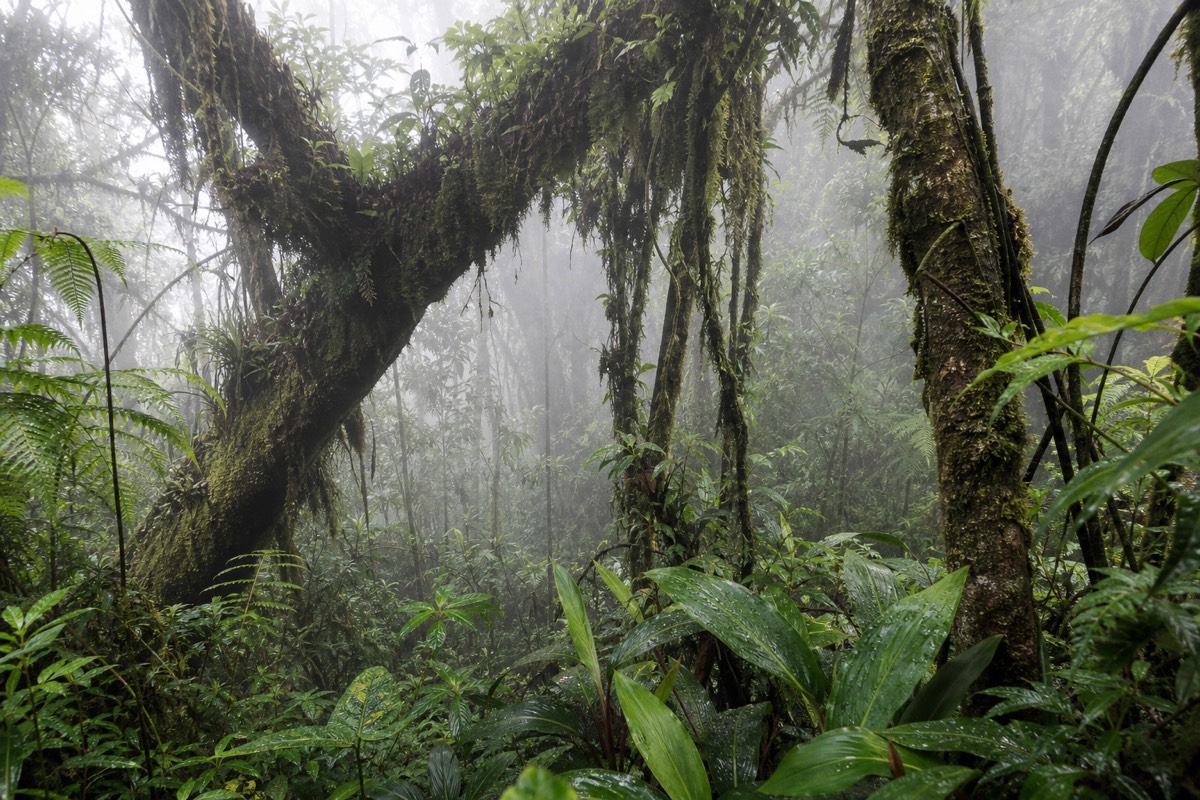
The Central Valley around San Jose already sits at roughly 1,161 metres, and Monteverde climbs higher into permanent cloud. Up there you want a light fleece or warm layer, and that same rain jacket keeps the wind off. Down in the lowlands and on the coast, loose and breathable wins, with long sleeves and trousers pulling double duty against both sun and the mosquitoes that come out at dusk. Cotton is the trap: it soaks through and stays wet for hours in humid air, so quick-dry synthetics or merino earn their place. One warm layer and one rain layer is all the "cold weather" gear a normal Costa Rica route needs.
What should you add for the green season?
From May to November, plan around afternoon rain rather than fearing it. Mornings are usually clear and reliable for hikes and wildlife, with showers building later in the day. Add a proper rain jacket or poncho, a dry bag for electronics, quick-dry everything, and a second pair of shoes so one can dry while you wear the other.
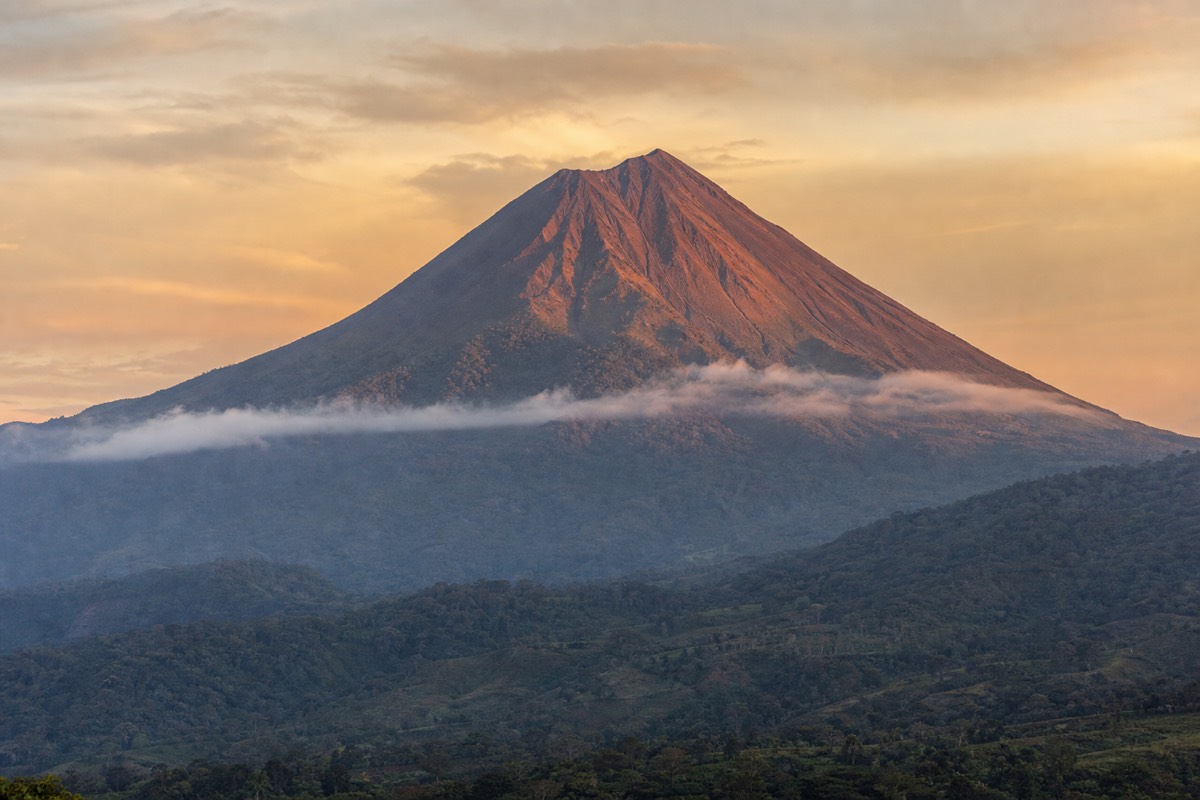
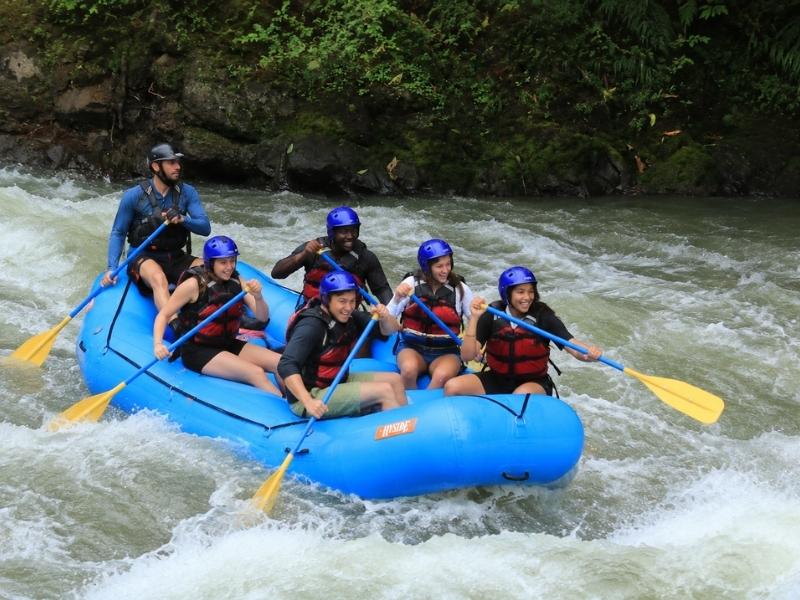
The green season, which the site's own guidance frames as running May through November, is not a washout. It tends to give you bright mornings and wet afternoons, which is exactly why early starts matter. A dry bag is the single most useful green-season add: it protects a phone or camera on a boat, and it becomes essential on the water. Anyone booking the Raft, Hike and Explore Costa Rica Adventure will be on the Pacuare River, and the Costa Rica Quest and other routes cross Lake Arenal by boat, so waterproofing your valuables is not optional there. Pack a compact travel umbrella if you like, but a hooded rain jacket keeps your hands free on a trail, which an umbrella never will.
What should you leave at home?
Leave the heavy jeans, the just-in-case wardrobe, single-use plastics and any sunscreen that is not reef-safe. You will do laundry, wear the same few quick-dry pieces on repeat, and refill water rather than buying bottles. Overpacking is the most common first-trip mistake, and since a guided tour moves your bag for you, extra weight is pure penalty.
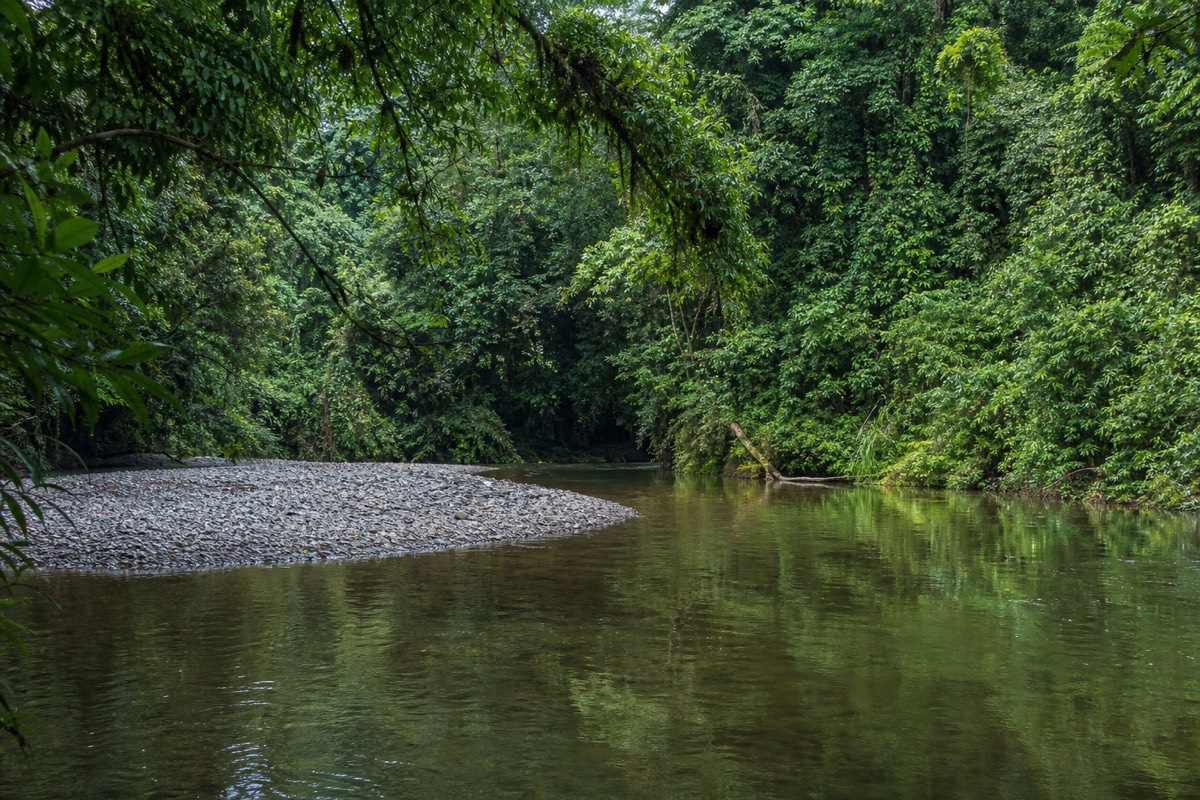
Skip the cotton-heavy clothing that never dries, the formalwear you will not use, the hair dryer most lodges already provide, and the tower of toiletries you can buy on arrival. Two or three quick-dry outfits plus swimwear covers a two-week trip if you rinse things overnight. Leave regular chemical sunscreens behind in favor of a reef-safe formula, both for the reefs and because many protected areas and operators expect it. And go easy on single-use plastic: refillable bottles are the norm, tap water is safe across most of the country, and a reusable bottle saves you money and waste at the same time.
Which documents and gear do the tours actually require?
Costa Rican immigration can require a passport valid for your stay plus proof of onward or return travel before admitting you at all, and some tours make travel insurance mandatory. On the gear side, several itineraries ask you to bring your own hiking boots, work gloves, swimwear and insect protection rather than supplying them.
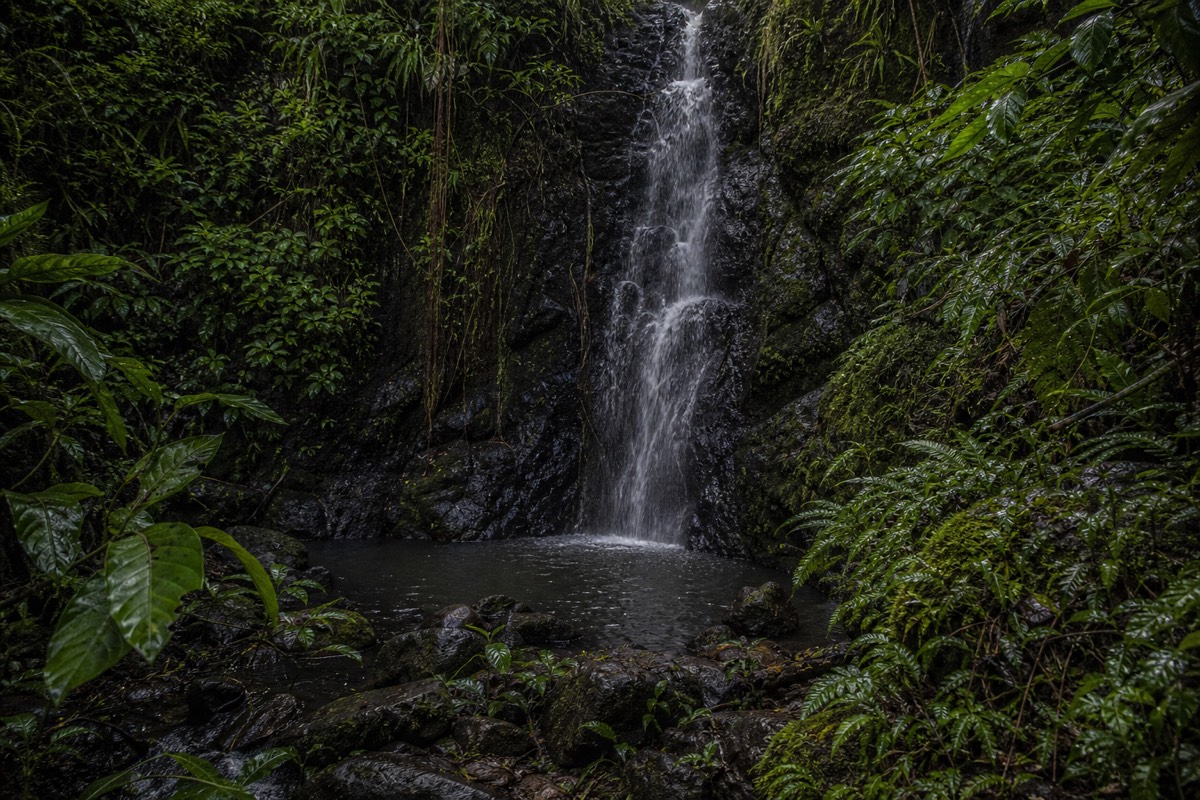
The onward-ticket rule is real and enforced unevenly, so carry a printed or digital booking that shows you leaving the country, and check your passport's validity window against current requirements before you fly. There is also a modest government departure tax, around $29 per person, that many airlines now fold into the fare. You can confirm the current entry rules on the US State Department's Costa Rica page before you go. Travel insurance is strongly advised given the zip-lines, rafting and hiking on most itineraries, and it is a hard requirement on the Costa Rica Classic 12-Day Tour by One Life Adventures, which checks proof of it at Day 1 check-in.
Gear is the other place to read the fine print. The Classic 12-Day tour lists hiking boots, work gloves, swimwear and insect defense as items you supply yourself, and the work gloves are there for a reason: that itinerary includes hands-on trail maintenance with rangers and a beach cleanup, so you handle real tools. Most of the six tours put "hiking gear" on the not-included list, which means broken-in boots or sturdy trail shoes are your responsibility. Bring the reef-safe SPF 50 that the site's own packing guidance calls for, since a country that protects roughly a quarter of its territory expects visitors to keep their sunscreen off the coral, and reapply it after every swim.