Renting a Car in Costa Rica: Self-Drive vs Guided Tour
You can absolutely drive yourself around Costa Rica, and plenty of travelers love it. Whether you should is a different question, and it turns on mountain roads, a 4x4, an insurance surprise at the counter, and how much of your holiday you want to spend behind the wheel.
The rental-car counter at the airport is where a Costa Rica trip often gets its first reality check. The advertised daily rate looks great online, then a mandatory insurance line lands on top of it, and the friendly agent asks whether you really want the small hatchback for the road up to Monteverde. Self-driving here is genuinely rewarding and genuinely more work than the brochure photos suggest. This guide lays out the honest tradeoffs so you can pick the option that fits your trip rather than the one that looked cheapest on a search result.
Quick answer: Self-driving Costa Rica is worth it for independent travelers who want to set their own pace and do not mind slow, winding roads. For first-timers, families and anyone who came to see wildlife, a guided tour usually wins: it removes the mountain driving, folds in park fees and transfers, and puts a naturalist's trained eyes on the trees.
Self-drive or guided: a side-by-side decision matrix
Cost figures come from the site's own homepage comparison table (4WD rental and park entry ranges, package price band). The stress and access ratings summarize the tradeoffs discussed in this guide, not a measured survey.
Is Costa Rica easy to drive yourself?
It is doable but harder than most first-timers expect. The country is small on a map yet slow on the ground, because the roads climb and twist through mountains and much of the distance is single-lane. Distances that look short can eat half a day, signage is patchy, and a stretch that is paved and easy can turn to gravel without warning.
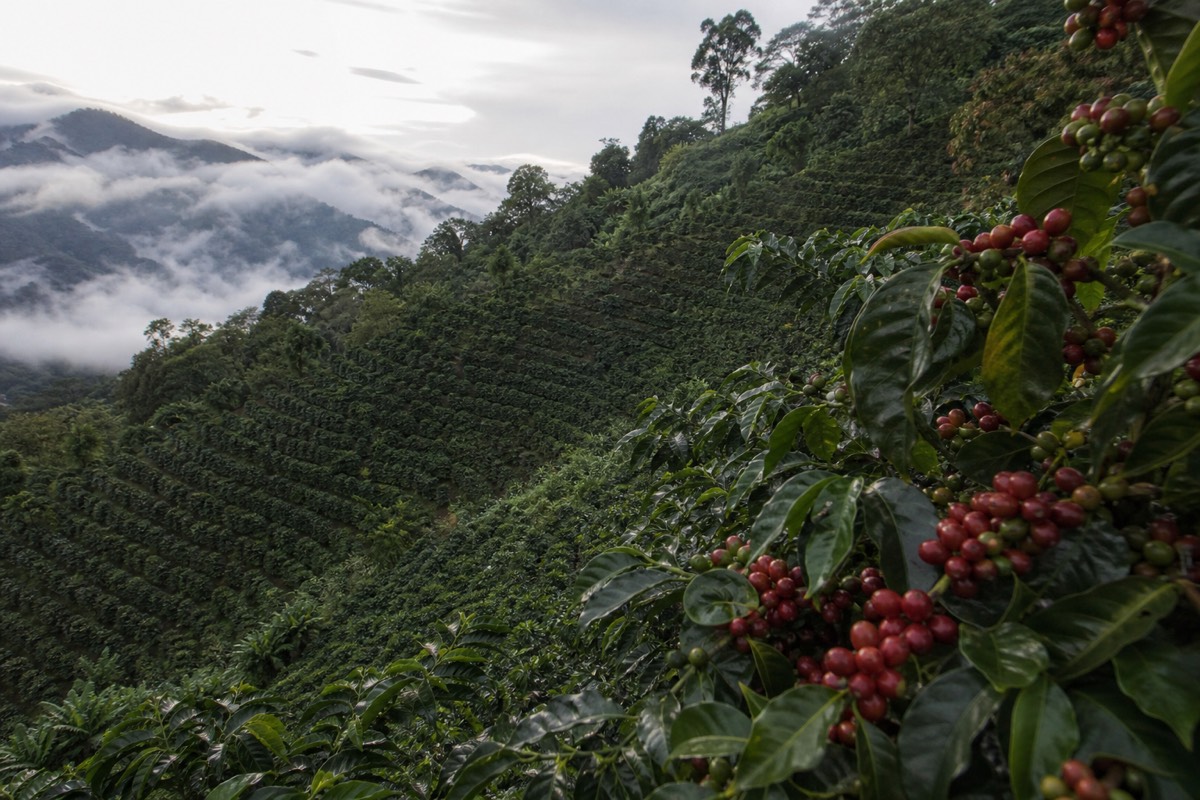
The core issue is that Costa Rica's terrain does not cooperate with a straight line. A drive between two regions that appears to be an hour on the map can run three or four hours of switchbacks, river valleys and slow trucks. That is not a flaw in your planning; it is the shape of the country. Travelers who enjoy self-driving here tend to be the ones who budgeted generously for transfer time and treated the drive itself as part of the trip rather than a chore between highlights.
Practical friction adds up too. Address-based directions are unreliable outside the cities, so most drivers lean on offline maps. Fuel stations thin out in remote areas, so you top up when you can rather than when you must. And the last stretch to a lodge is often the roughest, an unpaved climb that separates a comfortable arrival from a white-knuckle one. None of this is a reason to rule out self-driving. It is a reason to go in with clear eyes about how much of your day the driving will actually claim.
Do you need a 4x4 in Costa Rica?
For a lot of the classic itinerary, yes. A 4WD rental runs roughly $60 to $120 a day, and it is close to mandatory for the approach road to Monteverde and for much of the Osa Peninsula, where unpaved sections defeat a low-clearance car. Even elsewhere, a higher-clearance vehicle buys peace of mind on rough final stretches and in the rains.
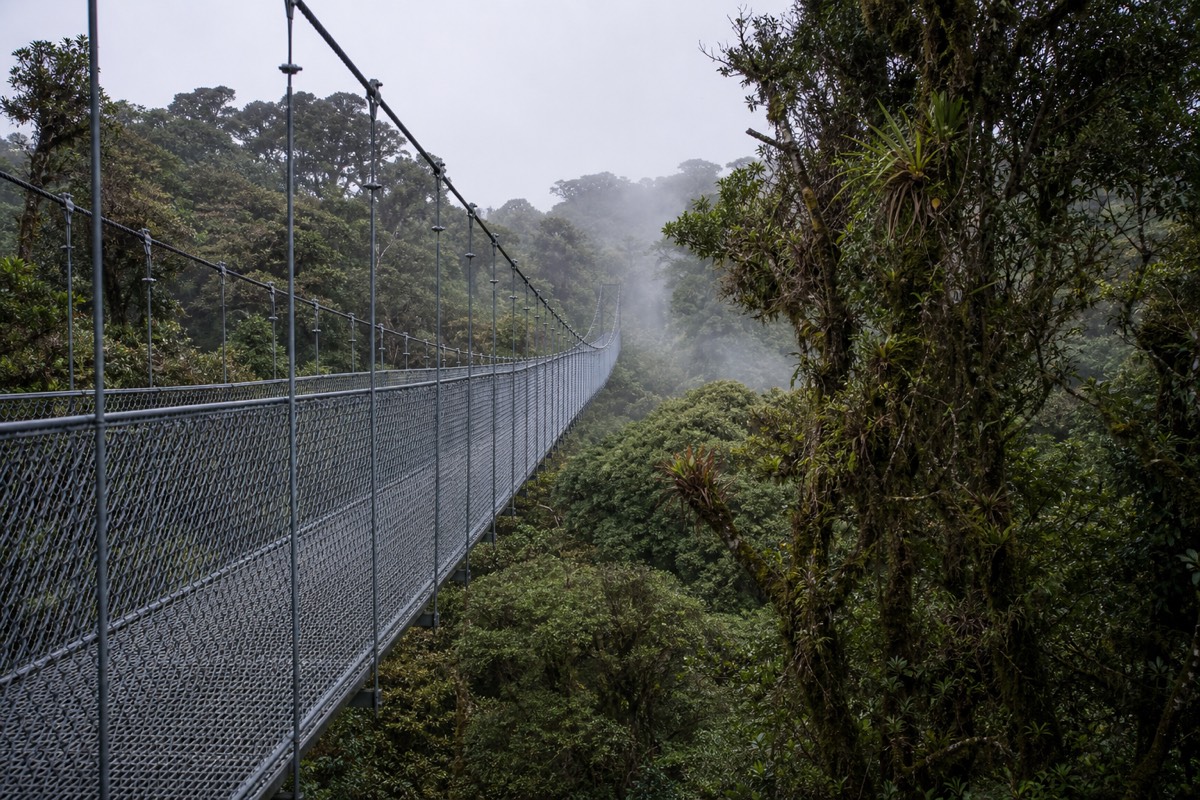
The site's own comparison of ways to see the country flags the Monteverde approach and the Osa Peninsula specifically as places where a 4WD is needed because of the unpaved surface. Those are not fringe destinations; Monteverde is on nearly every first itinerary. Renting a small two-wheel-drive car to save money and then meeting the gravel climb to a cloud-forest town is a classic first-timer mistake, and it can end with a stuck car or a refused insurance claim.
There is a seasonal dimension as well. In the green season, roughly May to November, rain turns marginal dirt roads to mud and raises river crossings, which pushes even more of the map into 4WD territory. If your route sticks strictly to the main paved corridors between big towns in the dry months, a standard car can cope. The moment your plan includes a cloud forest, a remote beach or the far south, budget for the four-wheel-drive and the higher daily rate that comes with it.
What is the mandatory insurance every renter runs into?
Costa Rica requires a mandatory liability insurance on rental cars that is charged at the counter and is separate from the advertised rental rate. It commonly is not replaced by the collision coverage your credit card provides, which catches many visitors off guard when the real daily total lands well above the online quote. Confirm the exact current requirement and cost directly with your rental company before you book.
The pattern travelers describe is consistent: a low headline price online, then a compulsory insurance charge added when you pick up the car, because the country mandates a baseline liability cover that the renter cannot decline. Credit-card rental benefits typically address damage to the vehicle rather than this mandatory local liability piece, so the two do not cancel out the way people assume. The result is a real, recurring surprise at the desk rather than a scam, but it stings all the same when it doubles a cut-rate quote.
Because the specific amounts and rules change and vary by company, the honest move is not to trust a number from a blog but to ask your rental provider, in writing, what the total daily cost will be with all mandatory insurance included. Cross-check the practical driving guidance on the official tourism board's site at visitcostarica.com as well. Knowing the all-in figure before you arrive is the difference between a fair comparison against a guided package and a nasty shock in the arrivals hall.
What are the roads and rainy-season driving really like?
Main routes between major towns are paved and passable, but the network is mountainous, often single-lane, and dotted with potholes, one-lane bridges and sudden gravel. In the green season from roughly May to November, reliable morning weather gives way to heavy afternoon rain that floods low crossings, triggers the odd landslide, and makes steep dirt roads genuinely risky.
Even on good pavement, the driving demands attention. Blind curves, slow trucks on grades, and the occasional bridge wide enough for one car at a time all keep the pace down. Night driving raises every one of these risks, since unlit roads, pedestrians, animals and unmarked hazards are much harder to read after dark, which is why experienced hands avoid it wherever possible. The country rewards early starts and daylight driving, not late pushes to make up time.
Rain changes the calculus further. Mornings in the green season are usually the dependable window; the sky tends to open in the afternoon and evening. River crossings that are trivial in the morning can be dangerous a few hours later, and a firm dirt road can turn slick fast. If you self-drive in these months, the workable rhythm is to move in the mornings, arrive by mid-afternoon, and treat any swollen crossing as a stop sign rather than a challenge. Fighting the weather on unfamiliar mountain roads is exactly where self-drive trips go wrong.
Self-drive vs guided: which costs less and stresses less?
On raw cost, a short self-drive can undercut a package, but the gap narrows once you add the mandatory insurance, the 4WD premium, fuel, park entries of roughly $18 to $25 per adult, and lodging booked separately. On stress, a guided tour wins clearly, since someone else drives the mountain roads, arranges the parks and moves your bags.
The site's own breakdown puts numbers on it. Self-driving is rated medium risk, with the 4WD at $60 to $120 a day and park entries at $18 to $25 per adult on top. Booking a multi-day package online is rated low risk, with the six to ten day tours running from $544 to $1,973 and the twelve-day trip at $2,546, and most packages offering free cancellation 30 to 60 days ahead. Once you total the self-drive extras across a full trip, the two options often land closer than the sticker prices suggest, and the package price already bakes in the driving, the guiding and the entry fees.
| Factor | Self-drive | Guided tour |
|---|---|---|
| Vehicle cost | $60 to $120 per day for a 4WD, plus mandatory insurance and fuel | Included in the package price |
| Park entries | Roughly $18 to $25 per adult, paid at each gate | Often included; several tours cover specific park fees |
| Navigation and driving | You handle mountain roads, gravel and rain | A driver who knows the roads handles it |
| Flexibility | Highest: any route, any schedule, any detour | Set route and departure dates, limited changes |
| Wildlife spotting | Your own eyes; easy to miss camouflaged animals | A naturalist guide who spots what you would walk past |
| Airport transfers | On you | Almost always included on trips of five days or more |
| Overall risk rating | Medium | Low |
The honest read is that self-drive can be a little cheaper for the confident and the independent, while a guided trip converts that saved money into removed hassle and better wildlife. Which is the better deal depends entirely on whether the driving is a cost you want to pay or an experience you want to have.
Where does a guide or driver genuinely add value?
Two places above all: wildlife spotting and mountain-road driving. A naturalist guide finds the camouflaged sloth, the resting owl and the well-hidden snake that a self-driver walks straight past, and a professional driver takes the winding, unpaved and rain-slicked roads off your plate entirely, which is where most self-drive stress and risk live.
The wildlife point is easy to underrate until you are standing under a tree seeing nothing. Guides here train their eyes for years, and the site's own material describes a naturalist picking out a sloth's shape forty metres up in a cecropia tree, the kind of sighting most visitors would never land on their own. On the guided walks in Manuel Antonio and Monteverde, spotting scopes and a practiced eye routinely turn a quiet trail into a run of monkeys, toucans, sloths and coatis. That gap between what you see with a guide and what you see without one is the single strongest argument for the guided format.
The driving point is about risk as much as comfort. Handing the wheel to someone who knows which bridge is one lane, which grade fills with trucks and which dirt road washes out first means you arrive relaxed instead of frazzled, and you are not the one making a hard call at a flooded crossing. The Costa Rica Quest Adventure and Wildlife Experience and the Essential Costa Rica Tour with Manuel Antonio National Park both fold a full-time driver and guided park walks into the price, so the two hardest parts of a Costa Rica trip, the roads and the spotting, are solved before you land.
Can you do Costa Rica without a rental car?
Yes, completely, and for many travelers it is the better trip. A guided multi-day package handles every transfer, so you never touch a steering wheel, decode a mountain road, or hunt for parking at a trailhead. On this site all six tours move you between regions as a group, and packages of five days or more almost always include your airport transfers too.
This is the quiet selling point of going guided: the whole logistics problem disappears. You are picked up, moved between the Central Valley, Arenal, Monteverde and the Pacific by a driver who does this every week, and dropped at each lodge without ever consulting a map. The Costa Rica Quest builds its nine-day route around exactly this, threading the coffee country, Arenal, Monteverde and Manuel Antonio into one handled loop, while the Essential Costa Rica tour adds the Tortuguero canals, reached by boat rather than road, on a ten-day version of the same idea.
Going car-free also sidesteps the risks that dominate the self-drive section above. No rental break-ins at trailheads, no mandatory-insurance surprise, no night driving on unlit switchbacks, no swollen river crossing to judge. For a first trip, a family, or anyone who would rather watch the cloud forest slide past than watch the road, letting the package carry the driving is not a compromise. It is the point.