Is It Safe to Swim in Costa Rica? Ocean and Riptide Safety
You can swim at plenty of Costa Rican beaches, and millions do it safely every year. The real hazard is not sharks, it is rip currents and unguarded surf. Here is how to swim smart.
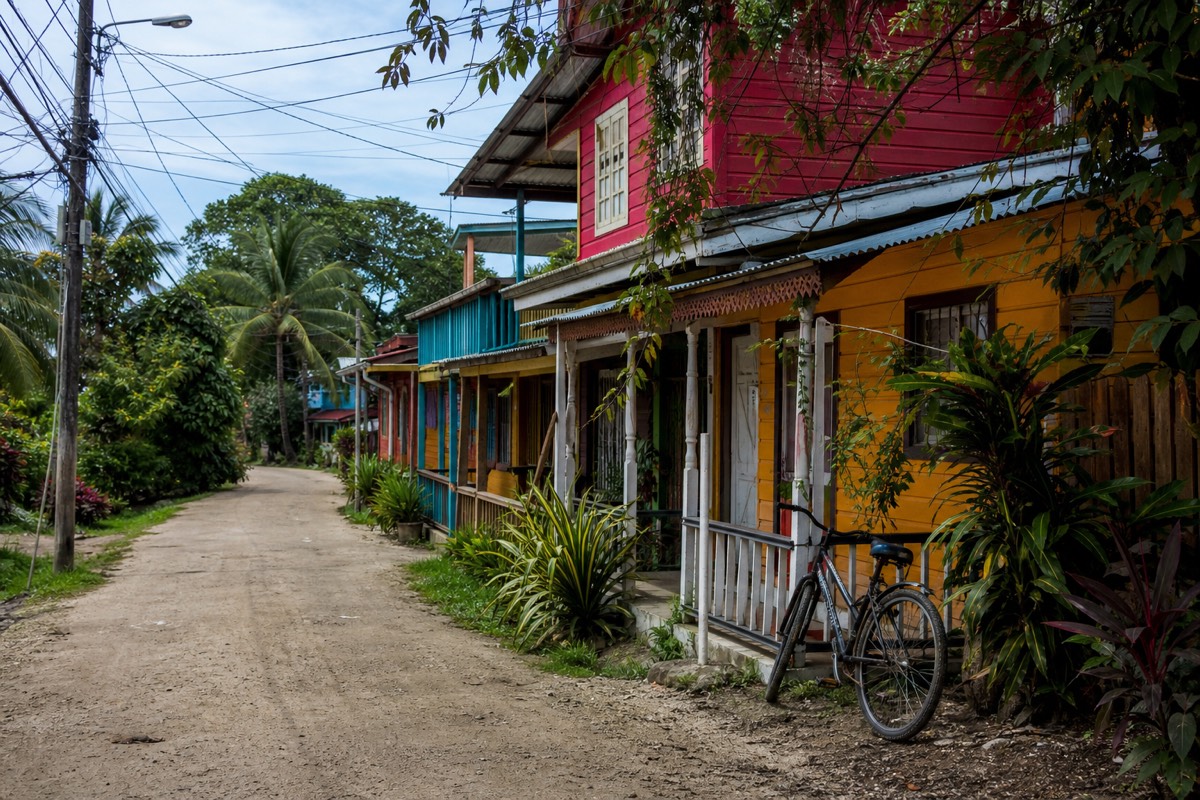
You can swim at plenty of Costa Rican beaches, and millions of people do it safely every year. The catch is that the ocean here is genuinely powerful in places, most beaches have no lifeguard on duty, and rip currents pull swimmers out to sea far more often than sharks or anything else people tend to worry about. Swim smart and you are fine. Swim carelessly at the wrong beach and you are gambling.
Quick answer: Swimming in Costa Rica is safe at protected and recommended beaches, but rip currents are the single biggest real ocean danger and lifeguards are the exception, not the rule. Stick to calmer coves and reef-sheltered spots, ask locals about the day's conditions, and learn how to escape a rip current before you wade in.
Is it safe to swim in the ocean in Costa Rica?
Generally yes, with real caveats. Costa Rica has hundreds of beaches and many are perfectly swimmable, but conditions vary hugely from one cove to the next, most beaches are unguarded, and strong currents catch visitors off guard. The ocean is the country's main outdoor hazard for tourists, well ahead of wildlife or crime.

The two coasts behave differently. The Pacific side generally has bigger surf and stronger currents, which is what draws surfers to towns like Jaco, while much of the Caribbean side runs calmer where offshore reefs break the swell, though it has its own powerful spots. Conditions also shift with the tide and the day's swell, so a beach that swims like a pool in the morning can turn choppy by afternoon. The official tourism board, visitcostarica.com, is a sensible place to check regional beach guidance before you travel, but nothing beats asking a local at the beach itself.
What is a rip current and how do you escape one?
A rip current is a narrow channel of water flowing fast away from the beach, out through the surf. It will not pull you under, it pulls you outward, and the danger is exhausting yourself fighting it. The widely taught response is simple: do not fight the current, swim parallel to shore until you are out of the pull, then angle back in.
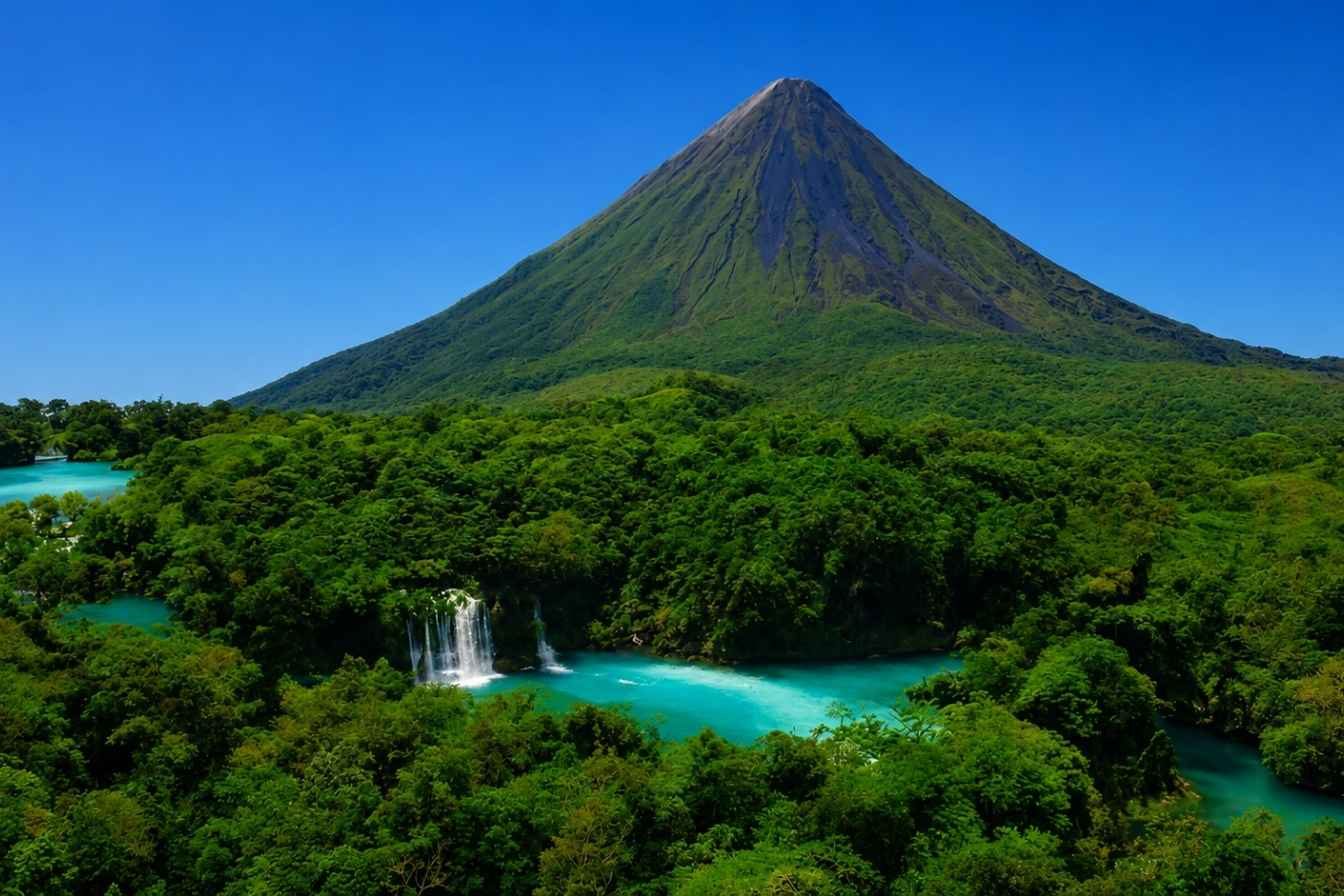
Learning to read the water helps you avoid one in the first place. A rip often shows as a gap in the line of breaking waves, a channel of choppier, darker or foamier water, or foam and debris moving steadily seaward. If a current does catch you, the key is to stay calm and conserve energy. Float, keep your head up, and do not try to swim straight back toward the beach against the flow. Swim sideways, parallel to the sand, until the pull releases you, then head in at an angle. If you cannot break free, keep floating, wave one arm and shout for help. This is standard water-safety guidance from lifesaving organizations worldwide, and it applies at any open beach in the country.
Which beaches are calmest and safest for swimming?
The calmest swimming tends to be in sheltered coves and reef-protected bays rather than open beach breaks. Manuel Antonio's protected coves are a reliable example on the central Pacific, and several reef-fronted spots on the southern Caribbean coast stay gentler, while open surf beaches like Jaco, Santa Teresa and much of the exposed Nicoya coast run stronger currents.
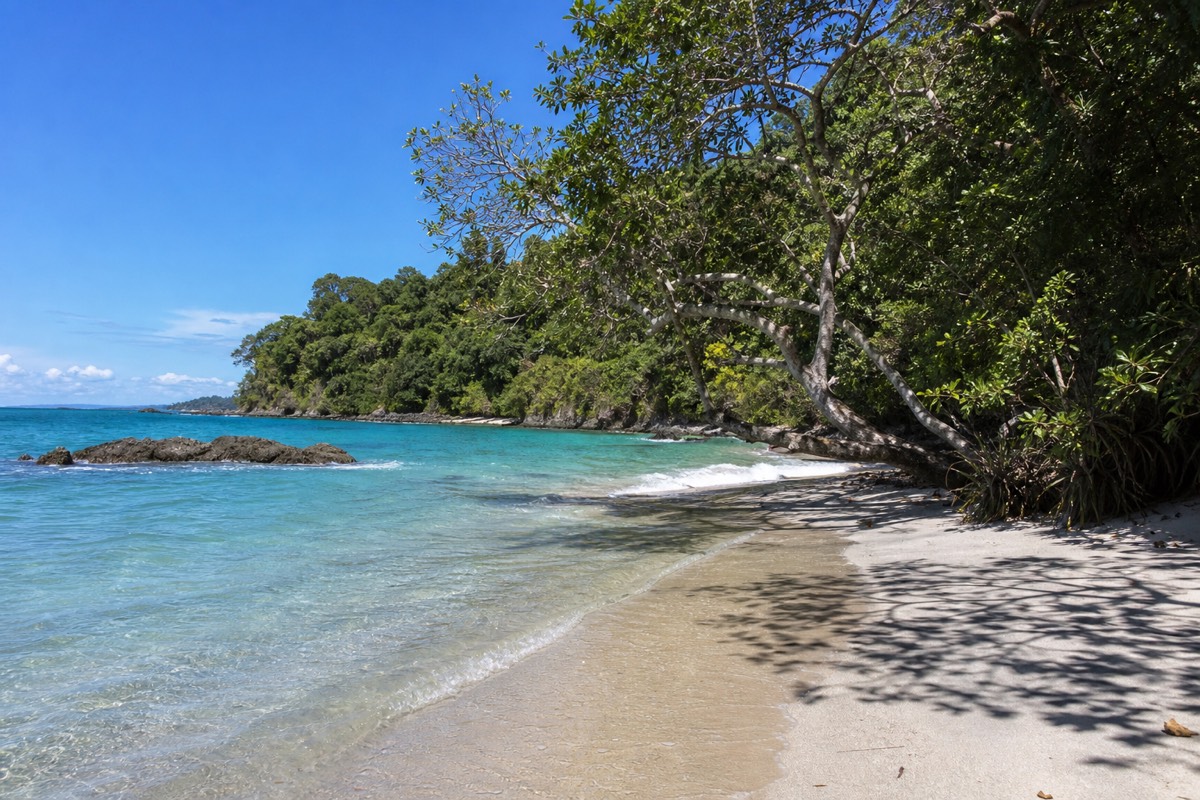
| Calmer, more swimmable | Stronger surf and currents |
|---|---|
| Manuel Antonio's protected coves | Jaco and its open beach break |
| Reef-fronted southern Caribbean spots | Santa Teresa and the exposed Nicoya coast |
| Sheltered bays and forest-backed coves | Most open Pacific beaches at high swell |
Even a beach with a calm reputation can turn on you at the wrong tide, so treat this as a starting point, not a guarantee. When in doubt, wade rather than swim, keep within your depth, and never swim alone at an unfamiliar, unguarded beach.
Are there crocodiles, sharks, or other hazards in the water?
The wildlife risk is real but narrow. Crocodiles live in some Pacific river mouths and brackish estuaries, and those areas are generally signed, so the rule is to avoid swimming in or near river mouths and lagoons and stick to open ocean beaches. Shark encounters with swimmers are very rare. The everyday hazard remains currents, not animals.
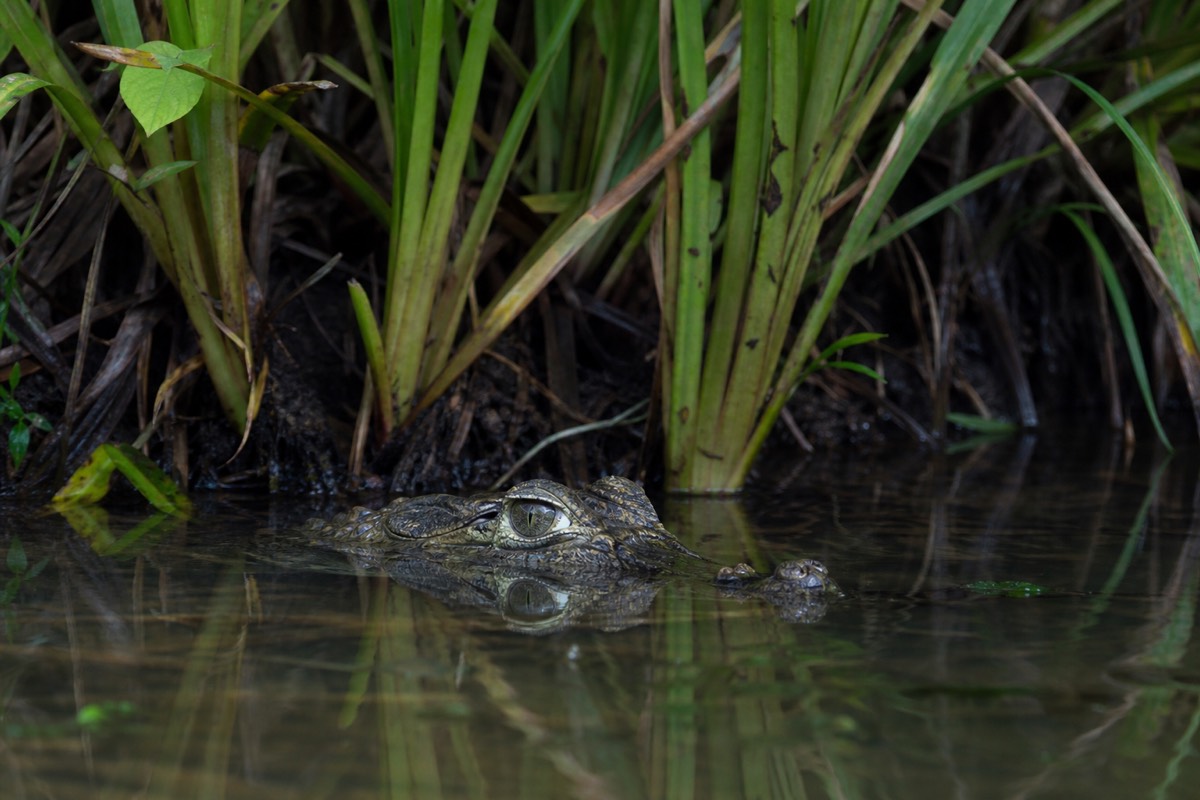
Where rivers meet the sea, the water turns brackish and can hold crocodiles, which is why local signage and guides steer swimmers away from those spots. Keep to the open beach and away from the murky water at a river's edge and you sidestep the main wildlife concern. Sharks, the fear people arrive with, are a genuine rarity for beach swimmers here. You may occasionally meet a jellyfish or a sea urchin on the rocks, minor stuff by comparison. If you keep one rule from this section, make it the currents: they account for the overwhelming share of ocean trouble, and no shark comes close.
How guided trips lower the risk
A guided tour quietly removes a lot of ocean guesswork. Guides and local operators know which beaches are swimmable on a given day, which coves are sheltered, and which stretches are for admiring from the sand only. Routes like the Essential Costa Rica Tour with Manuel Antonio National Park and the Costa Rica Classic 12-Day Tour by One Life Adventures build in the calmer, better-known spots.
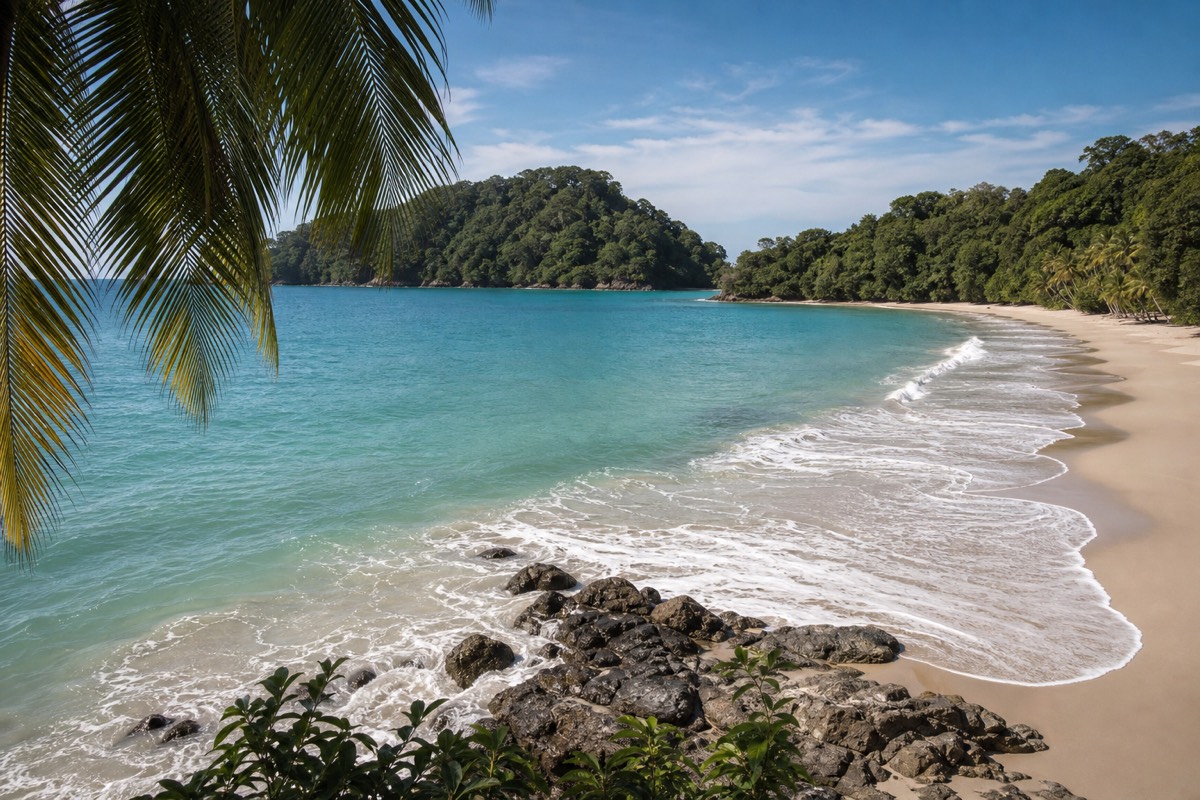
The Essential route centers its beach time on Manuel Antonio's coves, among the more sheltered swimming on the central Pacific. The Costa Rica Classic 12-Day route adds guided ocean kayaking at Paquera Bay and an optional, instructed surf lesson at Santa Teresa, activities run with someone who reads the conditions rather than left to chance. A guide is not a lifeguard, and you still swim sensibly, but having local eyes on the water closes a real gap that self-guided travelers face alone. For broader safety context on Costa Rica, the US State Department page at travel.state.gov is the authority to check, and it flags rip currents and unguarded beaches directly. For what each route covers, check the live prices on the listing.